Sliced pork tenderloin shines in this sweet jalapeño pork because the glaze clings in a thin, glossy layer instead of turning heavy or syrupy. You get caramelized edges on the pork, a little heat from the peppers, and enough honey to round everything out without burying the flavor of the meat.
The key is cooking the pork fast over medium-high heat so it browns before it dries out, then building the glaze in the same skillet. That keeps the fond in the pan where it belongs and gives the sauce a deeper savory base than a quick stir-together glaze ever could. The butter goes in at the end to smooth the finish and help the glaze coat each medallion.
Below you’ll find the one part that matters most for keeping the sauce balanced, plus a few smart swaps if you want to adjust the heat or make it work with what you already have.
The glaze thickened up beautifully and stayed glossy on the pork instead of sliding off. I kept the jalapeño seeds in and it had just enough heat with the honey to make every bite addictive.
Save this sweet jalapeño pork for a fast skillet dinner with sticky honey glaze and caramelized pepper heat.
The Reason the Pork Stays Juicy Instead of Drying Out
Pork tenderloin cooks fast, which is exactly why it works here. It also means there is almost no grace period once it turns opaque. Pull it the moment the medallions are golden and just cooked through, then let the glaze finish the job when you return it to the skillet.
The other place people go wrong is trying to reduce the sauce too far before the pork goes back in. You want a slightly loose glaze in the pan, not a sticky paste. It thickens again the second it hits the meat and takes on a glossy finish as the butter melts through.
What the Honey, Soy Sauce, and Jalapeños Each Bring to the Pan
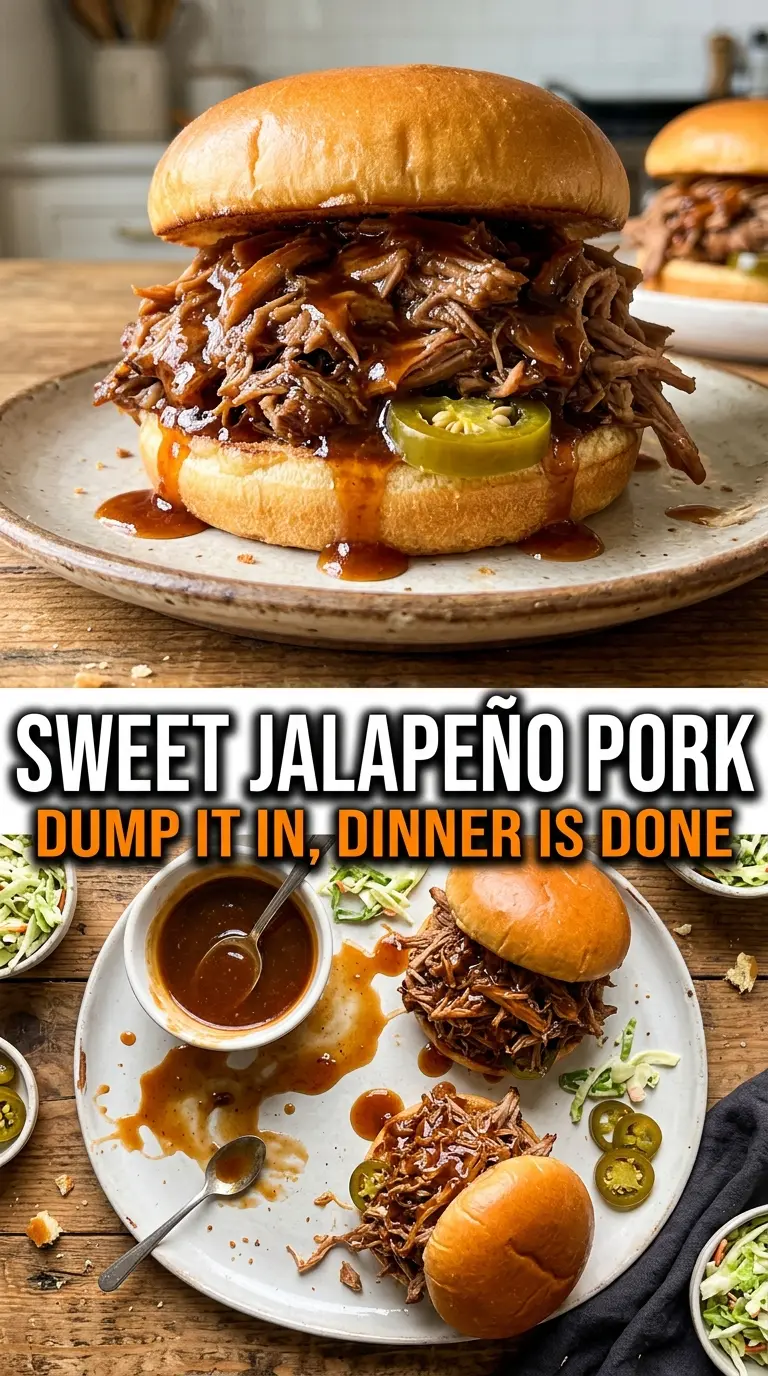
- Pork tenderloin — This cut stays tender if you keep the cook time short. Pork loin can work in a pinch, but it needs a little more time and is easier to overcook. Slice the tenderloin into even medallions so the pieces finish at the same pace.
- Jalapeños — Thin slices soften quickly and perfume the glaze without turning the dish muddy. Leave some seeds in if you want more heat, or remove them for a milder finish. Fresh peppers matter here; jarred jalapeños lose the bright bite that keeps the sauce lively.
- Honey — This is what gives the glaze its shine and that sweet edge that balances the salt and vinegar. Maple syrup can stand in, but it tastes darker and less clean. If your honey is thick, stir it into the pan before the sauce reduces so it dissolves evenly.
- Apple cider vinegar — The small splash cuts through the sweetness and keeps the glaze from tasting flat. Rice vinegar can sub in, though it will taste softer. Skip it and the sauce leans candy-sweet instead of balanced.
- Butter — The final swirl rounds out the glaze and helps it cling to the pork. If you leave it out, the sauce still works, but it won’t have the same smooth finish.
Building the Glaze Without Burning the Honey
Searing the Pork First
Season the medallions well and place them in a hot skillet with the oil already shimmering. Let them sit long enough to develop a deep golden crust before turning them. If the pan is crowded, the pork steams instead of browns, so work in batches if you need to. The pork should still feel slightly springy in the center when you take it out.
Softening the Jalapeños and Garlic
Once the pork is out, drop the jalapeños and garlic into the same pan. They only need a minute or two, just until the garlic smells fragrant and the peppers soften around the edges. If the garlic starts to brown hard, the heat is too high and the glaze will taste bitter, so lower the burner before adding the liquids.
Reducing the Sauce to a Glossy Coat
Pour in the honey, soy sauce, vinegar, and broth, then stir and let the mixture bubble gently. You want the sauce to reduce enough that it lightly coats a spoon, not boil down until it’s thick before the pork returns. Swirl in the butter off to the side of the heat, then put the pork back and spoon the glaze over every piece until it shines.
How to Tweak the Heat, Sweetness, and Dinner Size
Milder Sweet Jalapeño Pork
Remove the jalapeño seeds and membranes before slicing, and use one pepper instead of two. You still get that bright pepper flavor, but the glaze lands softer and more family-friendly without losing the sweet-savory balance.
Dairy-Free Version
This one is already dairy-free if you skip the butter at the end or swap in a plant-based butter. The glaze won’t be quite as silky, but it still reduces beautifully and clings well to the pork.
Gluten-Free Swaps
Use tamari or a certified gluten-free soy sauce in place of regular soy sauce. The flavor stays nearly the same, but check your broth too if you need the whole dish to be gluten-free.
Stretching It for More Servings
Add another half pound of pork and a splash more broth if you’re feeding four hungry people. The glaze will still reduce properly, but you may need one extra minute on the stove so it comes back to the right spoon-coating consistency.
Storage and Reheating
- Refrigerator: Store leftovers in an airtight container for up to 3 days. The glaze will thicken as it chills, but the flavor stays strong.
- Freezer: Freeze for up to 2 months in a sealed container. The pork holds up better than many glazed dishes, though the sauce may separate a little when thawed.
- Reheating: Warm gently in a skillet over low heat with a splash of broth or water. High heat will tighten the pork and push the glaze toward sticky instead of glossy.
Answers to the Questions Worth Asking
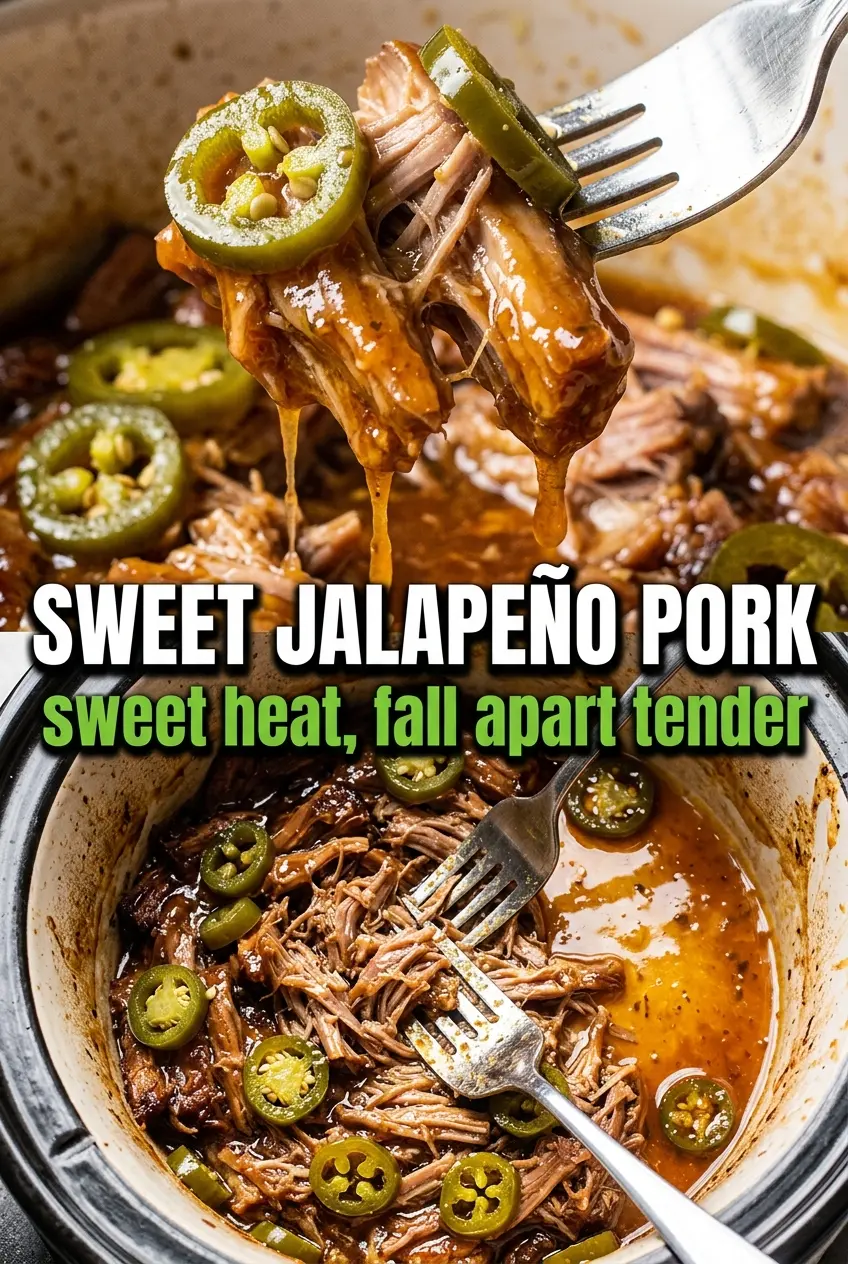
Sweet Jalapeño Pork
Ingredients
Equipment
Method
- Season the pork medallions with salt and black pepper and sear in olive oil in a large skillet over medium-high heat for 3–4 minutes per side until golden and just cooked through. Set the pork aside.
- Add garlic and jalapeños to the pan and cook over medium-high heat for 1–2 minutes until the jalapeños soften and become fragrant. Scrape up any browned bits from the skillet.
- Add honey, soy sauce, apple cider vinegar, and chicken broth, then stir to combine over medium-high heat. Bring it to a simmer and keep simmering for 3–4 minutes until the sauce thickens slightly, making a glossy coating.
- Swirl in butter until it melts completely and the glaze looks shiny and smooth. Return the pork to the pan and spoon glaze over each piece so it coats evenly.
- Serve immediately with extra glaze drizzled on top. Keep the pork pieces in a single layer so the glaze stays glossy.