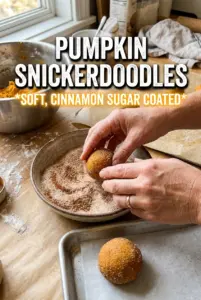
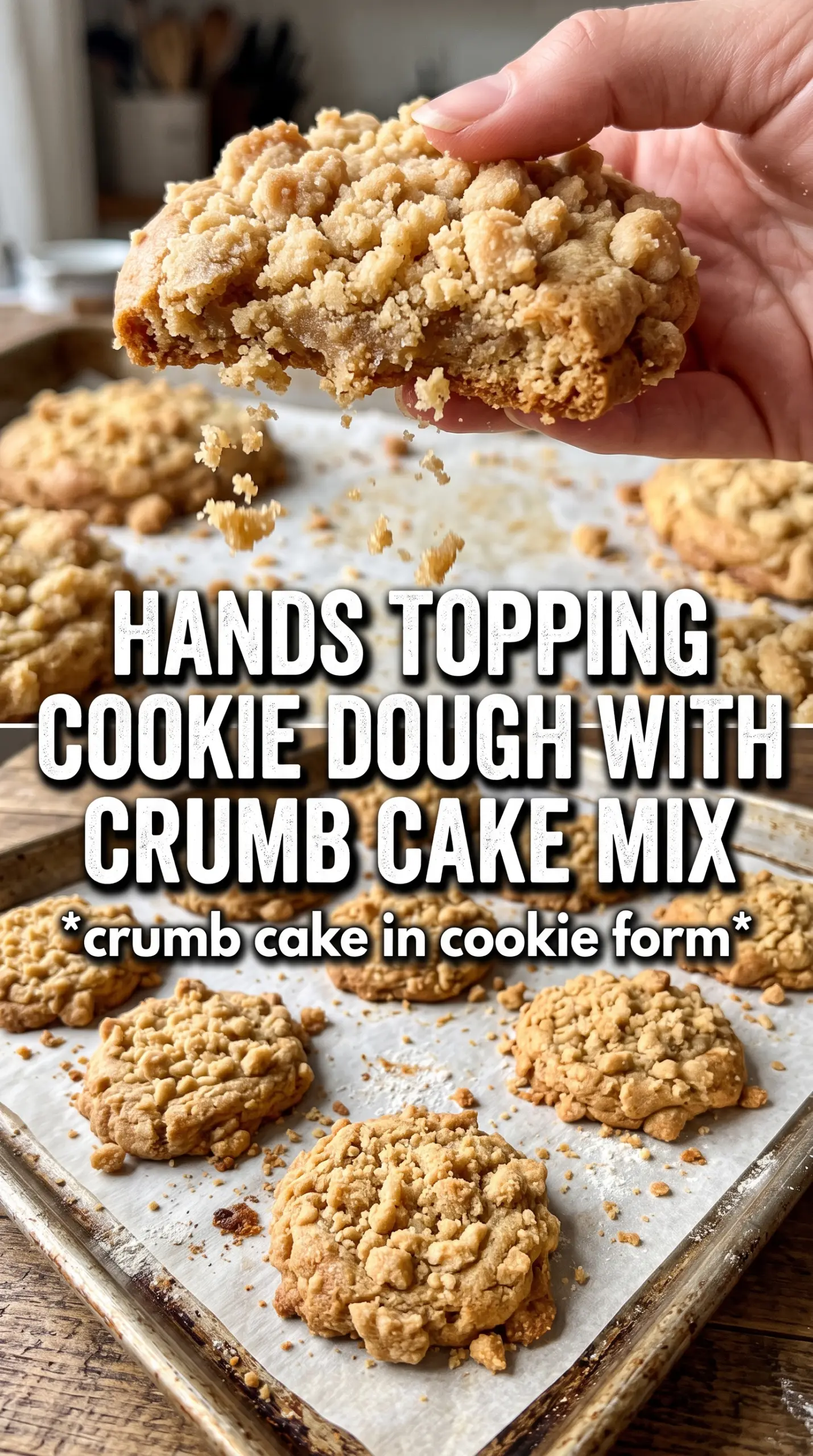
Thick pumpkin cookies with a buttery cinnamon crumb on top are the kind of bake that disappears fast, usually before they’ve had time to cool all the way. The base stays soft and tender in the center with just enough structure around the edges, and the crumb topping bakes into a sweet, sandy layer that tastes like the top of a good coffee cake. A dusting of powdered sugar at the end gives them that bakery look without hiding the texture underneath.
What makes these work is the balance between moisture and restraint. Pumpkin brings flavor and softness, but too much of it can turn a cookie cakey and heavy, so the pumpkin gets blotted first and the dough uses just the yolk for richness instead of a whole egg. The crumb topping starts with melted butter, which helps it clump into larger pieces instead of disappearing into the dough, and chilling it keeps those pieces distinct in the oven.
Below you’ll find the small details that keep the cookies thick instead of flat, plus a few ways to adapt them if you need a different flour or want to make them ahead. The difference between good and great here is mostly in the handling.
The crumb topping stayed in big buttery pieces and the centers baked up soft instead of wet. I blotted the pumpkin like you said and the cookies came out thick and bakery-style.
Love the coffee-cake crumble on these Pumpkin Crumb Cake Cookies? Save them to Pinterest for the next time you want a soft pumpkin cookie with a buttery topping.
The Trick to Keeping the Pumpkin Base Thick Instead of Cake-Like
These cookies live or die by moisture control. Pumpkin puree looks innocent, but even a few extra spoonfuls of liquid can push the dough toward muffin texture, especially once the crumb topping starts adding weight. Blotting the pumpkin on paper towels pulls off enough excess moisture to help the cookies spread just a little instead of collapsing into a soft, puffy cake.
The other mistake is overworking the dough after the flour goes in. Once the dry ingredients are added, mix only until the streaks disappear. More mixing develops gluten, and that’s how you lose the tender, short texture that makes these taste like a cookie version of coffee cake instead of a breakfast muffin.
- Pumpkin puree — Use pure pumpkin, not pumpkin pie filling. The filling has added sugar and spices that throw off both texture and seasoning, and it usually makes the dough too wet.
- Brown sugar — This gives the base a deeper molasses note and helps hold onto moisture. Light or dark brown sugar both work, though dark will taste a little richer.
- Butter — Softened butter in the dough gives the cookies their tender bite. For the crumb topping, melted butter is the trick that creates those larger, bakery-style clusters.
- Egg yolk — The yolk adds richness without the extra water from a whole egg. That’s one of the reasons these stay thick instead of turning fluffy.
What Each Ingredient Is Actually Doing in This Recipe
- Primary ingredient (the star) — Quality matters most. Choose the best you can find.
- Cooking medium (oil, butter, or broth) — This carries flavors and prevents dryness.
- Seasonings (salt, pepper, spices, herbs) — Layer flavors so nothing overpowers. Build depth gradually.
- Aromatics (garlic, onion, herbs) — Cook with fat to bloom flavors. Become the foundation.
- Supporting ingredients — Complement the main ingredient without overpowering it.
- Sauce or liquid (if applicable) — Brings flavors together. Balance richness with acid.
- Acid (lemon, vinegar, wine, or other) — Brightens and prevents flat-tasting results.
- Final finish (garnish, glaze, or sauce) — Prevents one-dimensional taste and adds visual appeal.
What the Crumb Topping Is Really Doing Here
The topping is more than decoration. It acts like a second texture layer, and because it’s mixed separately, you can push it into the dough without it melting away before the cookies bake. Large crumbs are what you want, not a fine sandy mixture. If the topping looks like damp gravel, it’s ready.
Refrigerating it matters. Warm crumb topping smears into paste when it hits the cookie dough, but chilled crumbs keep their shape long enough to brown at the edges and stay distinct on top. That contrast is what gives each bite the coffee-cake effect.
- All-purpose flour — Used in both the topping and the cookie base, it gives enough structure to hold the crumbs without making the cookies tough.
- Cinnamon — The topping uses enough cinnamon to taste warm and distinct, not just sweet. The cookie base already has pumpkin pie spice, so the cinnamon on top keeps the flavor layered.
- Melted butter for the topping — This is the detail that makes clumps. Cold butter cut in would give a drier, finer streusel, which is a different cookie entirely.
- Powdered sugar finish — Add it after the cookies cool. If you dust too early, the sugar melts into the topping and loses that pretty contrast.
Building the Dough and Baking the Cookies in the Right Order
Mixing the Crumb First
Start with the crumb topping so it has time to chill while you make the dough. Stir the dry ingredients together, then drizzle in the melted butter and toss until you get uneven clumps, some bigger than others. If it looks uniformly wet, keep tossing lightly instead of adding more flour; the crumbs usually come together after a minute in the fridge. Set it aside cold so it stays chunky in the oven.
Creating the Pumpkin Dough
Beat the softened butter and brown sugar until the mixture looks lighter and slightly fluffy, then add the blotted pumpkin, egg yolk, and vanilla. The dough may look a little curdled at this stage, and that’s normal. Once the flour mixture goes in, it will smooth out. Stop mixing as soon as the flour disappears; a stiff, slightly sticky dough is what you want.
Pressing and Baking
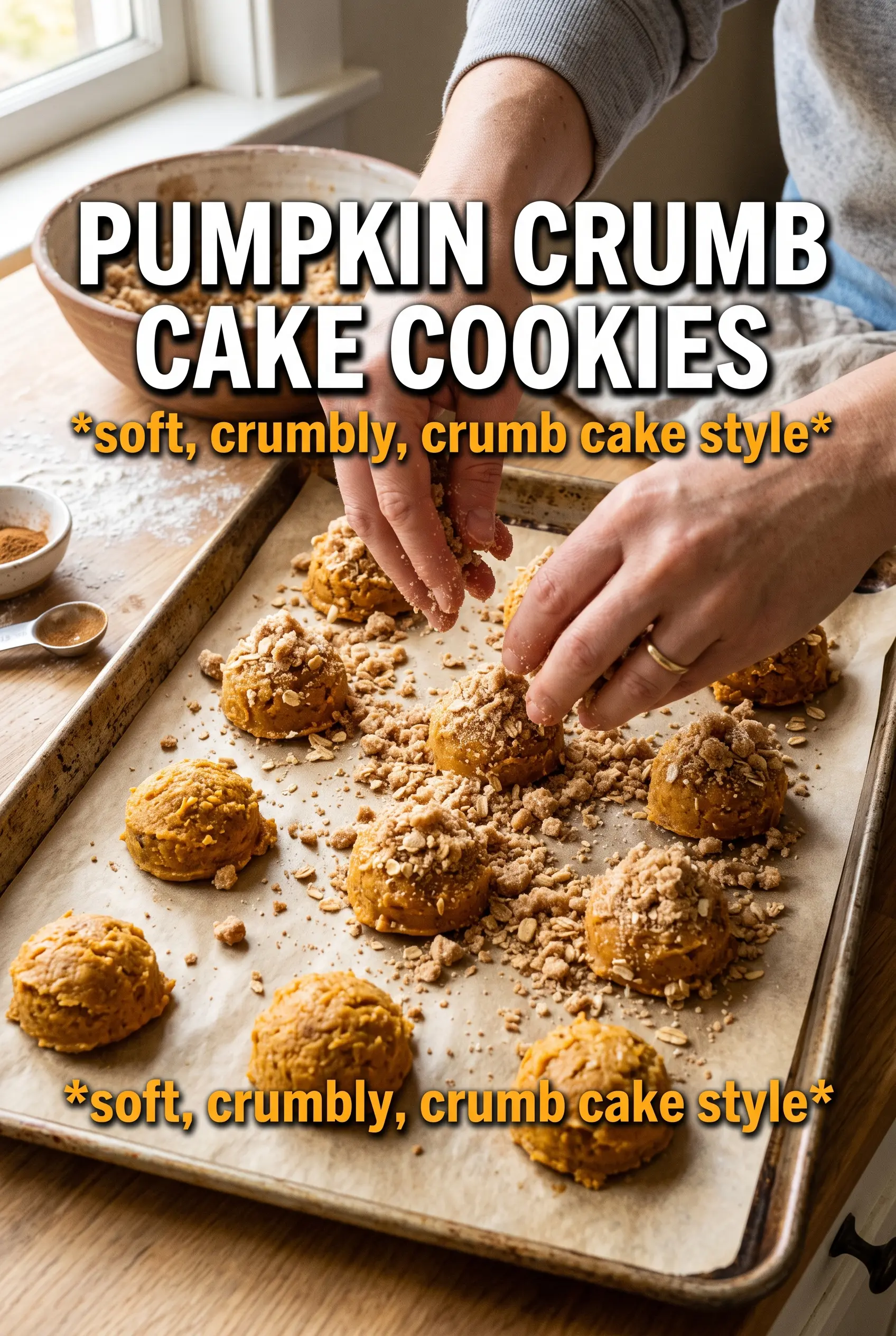
Scoop thick portions and keep them rounded rather than flattened. A generous handful of crumb topping should be pressed firmly into each one so it bonds during baking. Bake just until the edges are set and the tops no longer look wet in the center, usually 12 to 14 minutes. If they bake until they look fully done in the oven, they’ll dry out by the time they cool. Let them finish on the pan, then move them carefully and dust with powdered sugar once they’re completely cool.
How to Adapt These Cookies Without Losing the Coffee-Cake Finish
Gluten-Free Version
Use a good 1:1 gluten-free baking flour in both the crumb and the cookie dough. The texture will be a little more delicate and less chewy, but the cookies still hold together well because the dough is thick and the topping is pressed on before baking. If your blend already includes xanthan gum, don’t add more.
Dairy-Free Swap
Use plant-based butter sticks, not tub margarine. Sticks behave more like real butter, which matters for the crumb clusters and the cookie structure. The flavor will be slightly less rich, but the cinnamon and pumpkin still carry the cookie beautifully.
Extra-Spiced Version
Add another half teaspoon of cinnamon to the dough if you want the spice to come through more strongly. Don’t add more pumpkin pie spice without tasting your blend first, since some versions are heavier on clove and nutmeg and can take over the cookie.
Storage and Reheating
- Refrigerator: Store in an airtight container for up to 5 days. The crumb topping softens a little, but the flavor stays good.
- Freezer: These freeze well for up to 2 months. Freeze the baked cookies in a single layer, then transfer to a container with parchment between layers.
- Reheating: Warm a cookie in a 300°F oven for 4 to 5 minutes if you want the topping to loosen back up. Skip the microwave unless you don’t mind a soft topping, since it turns the crumb sandy layer damp.
Questions I Get Asked About This Recipe
Pumpkin Crumb Cake Cookies
Ingredients
Equipment
Method
- Mix flour, brown sugar, and cinnamon until evenly combined, then drizzle in melted butter and toss until large crumbs form with a dry look. Refrigerate the crumb mixture for 4 minutes so it firms up and clings to the dough.
- Beat butter and brown sugar until smooth and creamy, scraping the bowl as needed. Add the blotted pumpkin, egg yolk, and vanilla and beat just until incorporated.
- Fold in flour, baking soda, pumpkin pie spice, cinnamon, and salt until no dry streaks remain, then scoop 2-tablespoon thick rounds.
- Press a generous handful of crumb topping into each cookie so the surface is well blanketed and packed.
- Bake on a sheet pan at 375°F for 12-14 minutes, until the tops look set and lightly golden at the edges. Cool completely before finishing.
- Dust generously with powdered sugar, keeping the coating thick for a coffee-cake cookie finish.