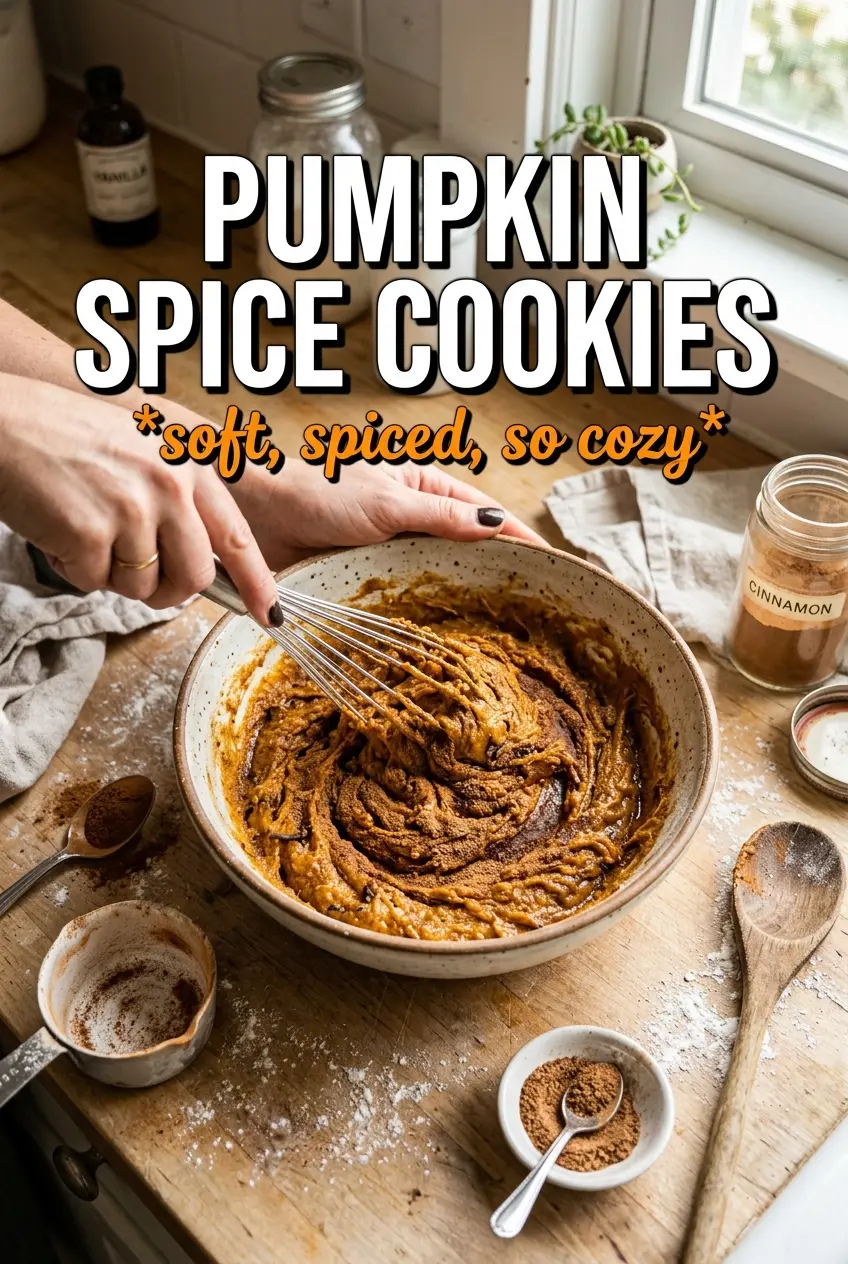
These pumpkin spice cookies bake up soft in the center with lightly crisp edges and that warm, spiced aroma that makes a kitchen feel instantly cozier. The brown butter glaze on top is the part people remember. It adds a toasted, almost caramel-like finish that plays against the gentle pumpkin flavor instead of burying it.
What makes this version work is restraint. Pumpkin puree brings flavor and moisture, but too much of it turns cookies cakey and dulls the spice, so the puree gets blotted until it’s almost paste-like before it ever hits the bowl. The dough also uses an extra egg yolk instead of a whole egg, which keeps the texture rich and tender without making the cookies spread too much.
Below, I’m walking through the small details that matter here: how dry the pumpkin should be, what the dough should look like before baking, and how to get that glaze smooth enough to drizzle without running right off the cookies.
The pumpkin flavor came through without making the cookies cakey, and the brown butter glaze set up with just enough shine that they looked bakery-made.
Bake these pumpkin spice cookies when you want soft centers, crisp edges, and that brown butter glaze that sets with a bakery-style shine.
The Pumpkin Purée Has to Be Drier Than You Think
Pumpkin cookies go wrong when the dough carries too much moisture. That extra water doesn’t just soften the texture; it also keeps the cookies from setting at the edges, which is how you end up with pale, puffy rounds that taste more like cake than cookie. Blotting the pumpkin puree until it’s thick and dry is the difference between a structured cookie and a soft mound that never quite bakes through.
The other thing to watch is the sugar balance. Brown sugar gives these cookies depth and chew, while a smaller amount of granulated sugar helps the edges firm up. That mix, plus the single yolk, keeps the crumb tender without turning the dough slack.
What Each Ingredient Is Doing in These Cookies
- Pumpkin puree — Use pure pumpkin, not pumpkin pie filling. The puree gives the cookies their flavor and color, but only after you blot it dry. If it still looks glossy or loose, keep pressing it between paper towels until it stops leaving much moisture behind.
- Brown butter glaze — This is what makes the cookies taste a little more special than the usual spiced cookie. Browning the butter adds nutty, toasty notes that work beautifully with cinnamon and cloves. If the glaze gets too thick, add milk a teaspoon at a time; if it’s too thin, let it sit for a minute so the powdered sugar hydrates.
- Spice blend — Pumpkin pie spice, cinnamon, ginger, nutmeg, and cloves create a layered spice flavor instead of one flat note. If you only have pumpkin pie spice, you can use that alone, but the separate spices give a cleaner, warmer finish.
- Butter and sugar — Softened butter beaten with both sugars creates the structure that helps these cookies spread just enough. Don’t melt the butter. Melted butter makes the dough loose, and the cookies will bake up greasy instead of tender.
- Egg yolk — The yolk adds richness and helps bind the dough without the extra water in a whole egg white. That keeps the texture dense enough to hold the glaze and soft enough to stay pleasant on day two.
How to Keep the Cookies Soft Without Making Them Puffy
Start With a Dry Pumpkin Base
Blot the pumpkin puree before anything else so it has time to lose as much moisture as possible. It should look thicker, darker, and almost paste-like when you’re done. If you skip this, the dough will look fine at first but bake into cookies that puff instead of spreading and stay too soft in the middle. That extra moisture also dulls the spices, which makes the cookies taste less defined.
Build the Dough Without Overmixing
Cream the butter and sugars until they look fluffy and a shade lighter in color, then mix in the pumpkin, yolk, and vanilla just until combined. Once the flour goes in, fold it gently and stop as soon as the last streaks disappear. Overmixing develops more gluten and makes the cookies tougher, which is the opposite of what you want here. The finished dough should be thick and scoopable, not sticky or runny.
Bake Until the Edges Set
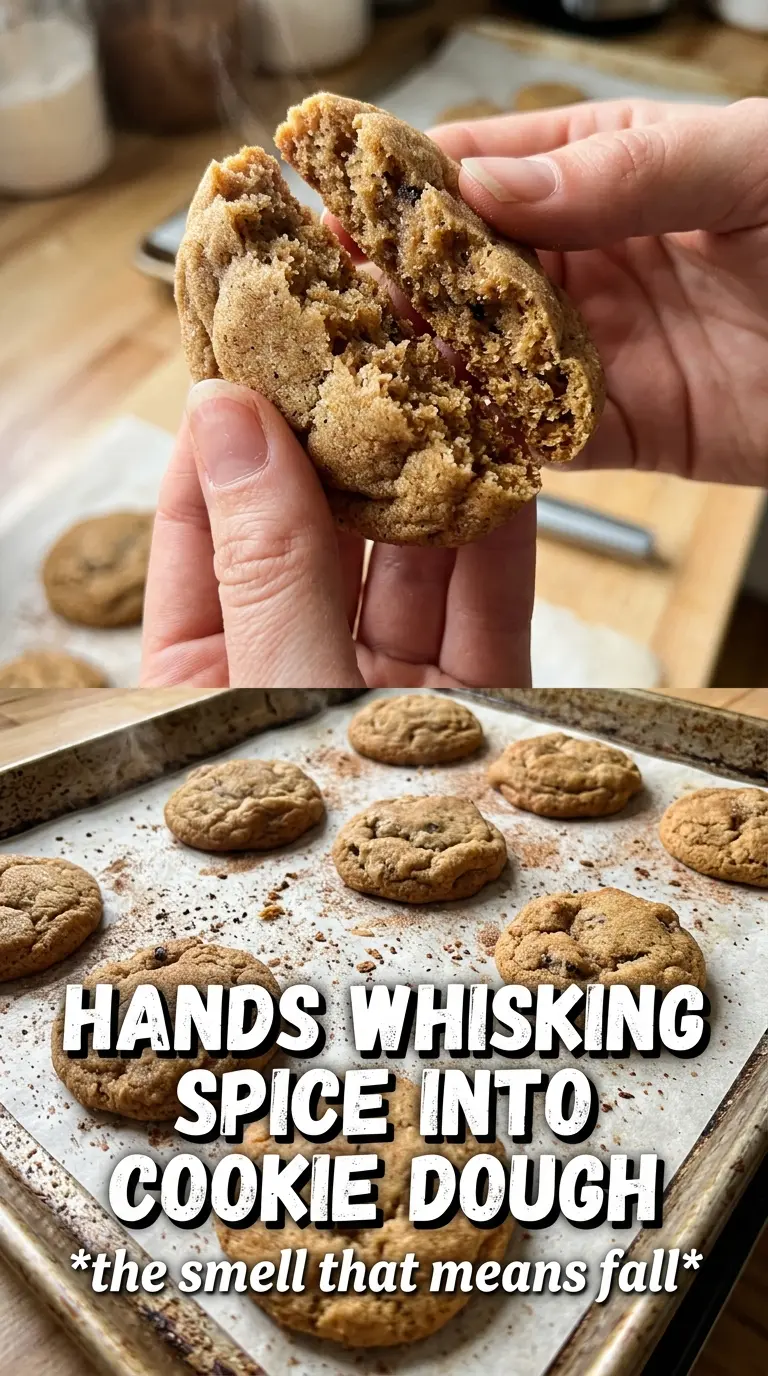
Scoop the dough into 1 1/2-tablespoon rounds and leave a little space between them because these cookies spread just enough to settle into a neat round. Pull them from the oven when the edges look set and the centers still look slightly soft. They finish cooking on the pan as they cool, and that carryover heat is what keeps the middle tender instead of dry. If you wait until the centers look fully done in the oven, the cookies will come out firmer than they should.
Finish With the Glaze After Cooling
Let the cookies cool completely before drizzling on the brown butter glaze. Warm cookies will melt the glaze and send it sliding off the sides. The glaze should ribbon off a spoon in a slow, steady drizzle. If it’s too loose, add more powdered sugar; if it’s too stiff, stir in a few drops of milk.
Ways to Adjust These Pumpkin Spice Cookies Without Losing the Texture
Dairy-Free Version
Use a good plant-based butter in both the cookie dough and the glaze. The cookies will still bake up tender, though the glaze will taste a little less rich and nutty without real browned butter. If you want the same depth, add a pinch more cinnamon to the glaze.
Gluten-Free Swap
A 1:1 gluten-free baking blend with xanthan gum works well here. The cookies will be a little more delicate, so let them cool on the baking sheet for a full 5 minutes before moving them. That brief rest helps them set without breaking.
Extra-Spiced Version
Add another 1/4 teaspoon cinnamon and a pinch more cloves if you want a stronger spice finish. Go slowly with the cloves, though. It’s powerful, and too much makes the cookies taste sharp instead of warm.
Storage and Reheating
- Refrigerator: Store in an airtight container for up to 5 days. The glaze will stay set, and the cookies soften slightly by day two.
- Freezer: Freeze the unglazed baked cookies for up to 2 months. Thaw at room temperature, then glaze after they’re fully defrosted for the best look and texture.
- Reheating: These cookies don’t need reheating, but if you want them just slightly warm, use a low oven for a few minutes before glazing. Don’t microwave glazed cookies; the icing will melt and the tops will go sticky.