Chicken piccata lives on the plate because it hits the three things people want from a weeknight dinner: crisp-edged chicken, a sauce with enough brightness to wake everything up, and a finish that feels polished without taking all night. The cutlets cook fast, the sauce comes together in the same skillet, and the whole dish tastes sharper and cleaner than heavier pan sauces.
The trick is keeping the chicken thin and the sauce balanced. Thin cutlets brown before they dry out, and the light flour coating helps the skillet build flavor instead of sticking. The lemon goes in with broth and capers, not before, so the sauce reduces with enough body to cling to the chicken instead of tasting thin and sharp.
Below, I’ll walk through the part that matters most: how to keep the chicken golden, how to finish the sauce so it stays silky, and what to change if you need a gluten-free version or want to make it ahead.
The chicken stayed tender and the sauce actually clung to the cutlets instead of running all over the plate. I loved how the lemon and capers stayed bright without making it sour.
Save this chicken piccata for the nights when you want crisp cutlets and a bright lemon-caper pan sauce without a long ingredient list.
The Step That Keeps Chicken Piccata from Turning Watery
The most common mistake with chicken piccata is crowding the pan and rushing the sauce. If the cutlets steam instead of sear, they lose that crisp edge that gives the dish its contrast. If the sauce goes in before the browned bits are loosened from the skillet, you leave behind most of the flavor the chicken just created.
Work in batches and give each cutlet room to brown. Then, after the wine hits the hot pan, scrape the bottom until those browned bits dissolve into the liquid. That little move is what gives the sauce depth instead of a flat lemony finish.
What Each Ingredient Is Actually Doing in This Dish
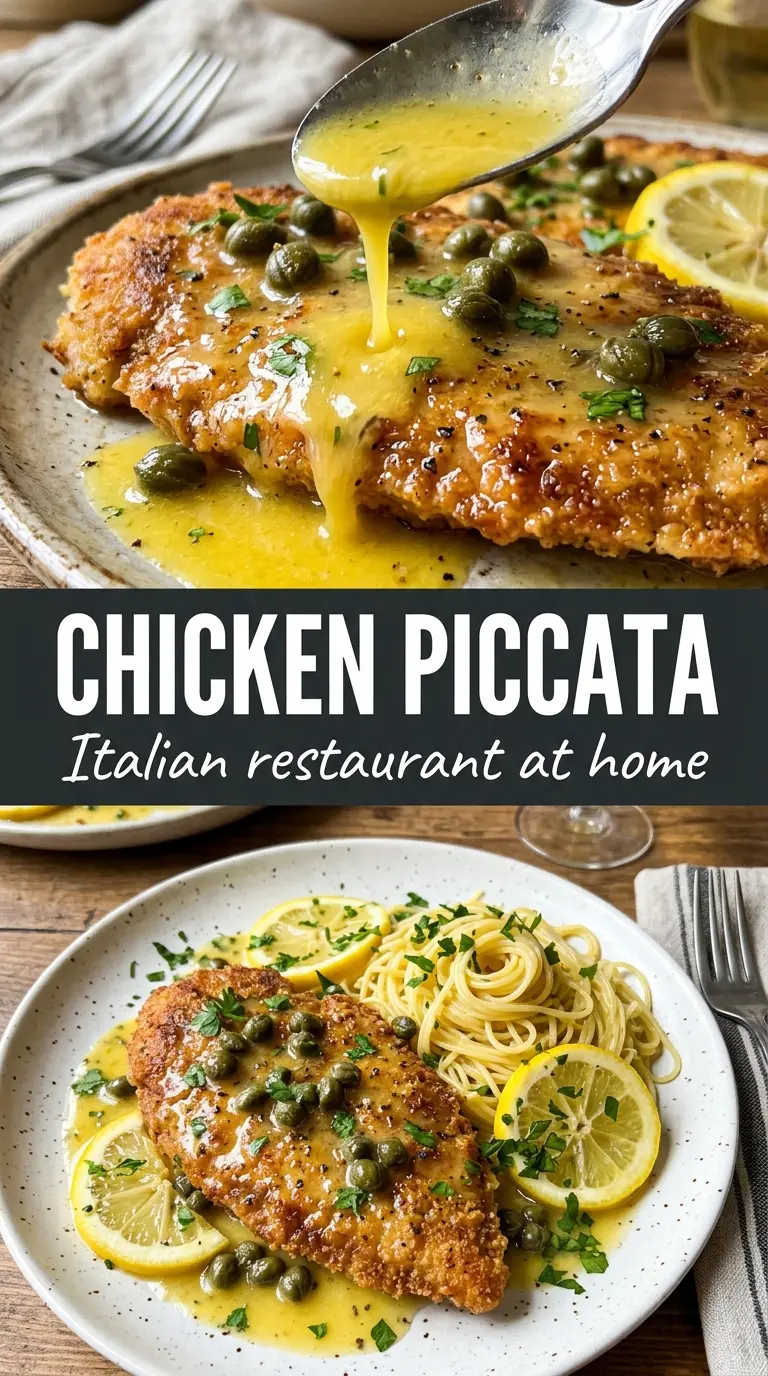
- Chicken breasts — Halving them into thin cutlets is what makes this recipe cook quickly and evenly. Thick chicken breasts will brown on the outside before the center is done, and you’ll lose the delicate texture that makes piccata work.
- Flour — The light dredge helps the chicken develop a pale golden crust and gives the sauce just enough body. Don’t use a heavy coating; you want a thin film, not breading.
- Dry white wine — This brings acidity and depth while lifting the browned bits from the pan. If you skip it, use more broth with a small extra squeeze of lemon, but the sauce will taste a little less layered.
- Lemon juice and capers — These are the signature flavors, and fresh lemon matters here. Bottled juice tastes blunt, and capers need to be drained so they season the sauce without making it salty or cloudy.
- Cold butter — Swirling it in off the heat at the end gives the sauce that glossy finish. If the pan is still boiling, the butter can split instead of emulsifying.
Build the Sauce After the Chicken Has Done Its Job
Getting a Real Sear on the Cutlets
Season the chicken, dredge it lightly in flour, and shake off the excess so the coating stays thin. Heat the oil and butter until the butter foams, then add the cutlets without crowding the pan. You’re looking for a golden crust that releases cleanly; if the chicken sticks, it isn’t ready to turn yet. Cook in batches and move the finished pieces to a plate while you build the sauce.
Pulling Flavor Off the Bottom of the Pan
Add the garlic for just a short minute, until it smells fragrant but not browned. Pour in the wine and scrape the skillet with a wooden spoon so the browned bits dissolve into the liquid. That step matters because those caramelized bits carry most of the savory flavor. Let the wine reduce before the broth goes in, or the sauce can taste thin and sharp.
Finishing with Lemon and Butter
Add the broth, lemon juice, capers, and lemon slices, then simmer until the sauce reduces and lightly coats a spoon. Take the pan off the heat before you swirl in the last butter. If the sauce is boiling when the butter goes in, it can turn greasy instead of silky. Return the chicken to the pan, spoon the sauce over the top, and let everything warm together for a minute before serving.
Three Useful Ways to Adapt Chicken Piccata
Gluten-Free Chicken Piccata
Swap the all-purpose flour for a 1:1 gluten-free flour blend or very fine rice flour. You’ll still get a light crust and the sauce will thicken a little from the coating, though rice flour tends to give an even crisper edge. Keep the dredge thin so it doesn’t turn pasty in the pan.
Dairy-Free Version
Use all olive oil for the sear and finish the sauce with a tablespoon of olive oil instead of butter. You’ll lose a little of the glossy richness, but the lemon and capers stay front and center. This version tastes especially clean and sharp.
No Wine, Same Bright Sauce
Replace the wine with extra chicken broth plus 1 teaspoon white wine vinegar or an extra squeeze of lemon. The sauce won’t have the same depth, but it will still taste balanced if you let it reduce before adding the butter. Don’t pour in a full amount of vinegar or the sauce can turn harsh.
Storage and Reheating
- Refrigerator: Store leftovers in an airtight container for up to 3 days. The chicken stays good, but the crust softens as it sits in the sauce.
- Freezer: It freezes, but the sauce can separate a little when thawed. For the best texture, freeze the chicken and sauce separately if you can.
- Reheating: Warm gently in a covered skillet over low heat with a splash of broth or water. High heat can make the chicken tough and can break the butter in the sauce.
Questions I Get Asked About This Recipe
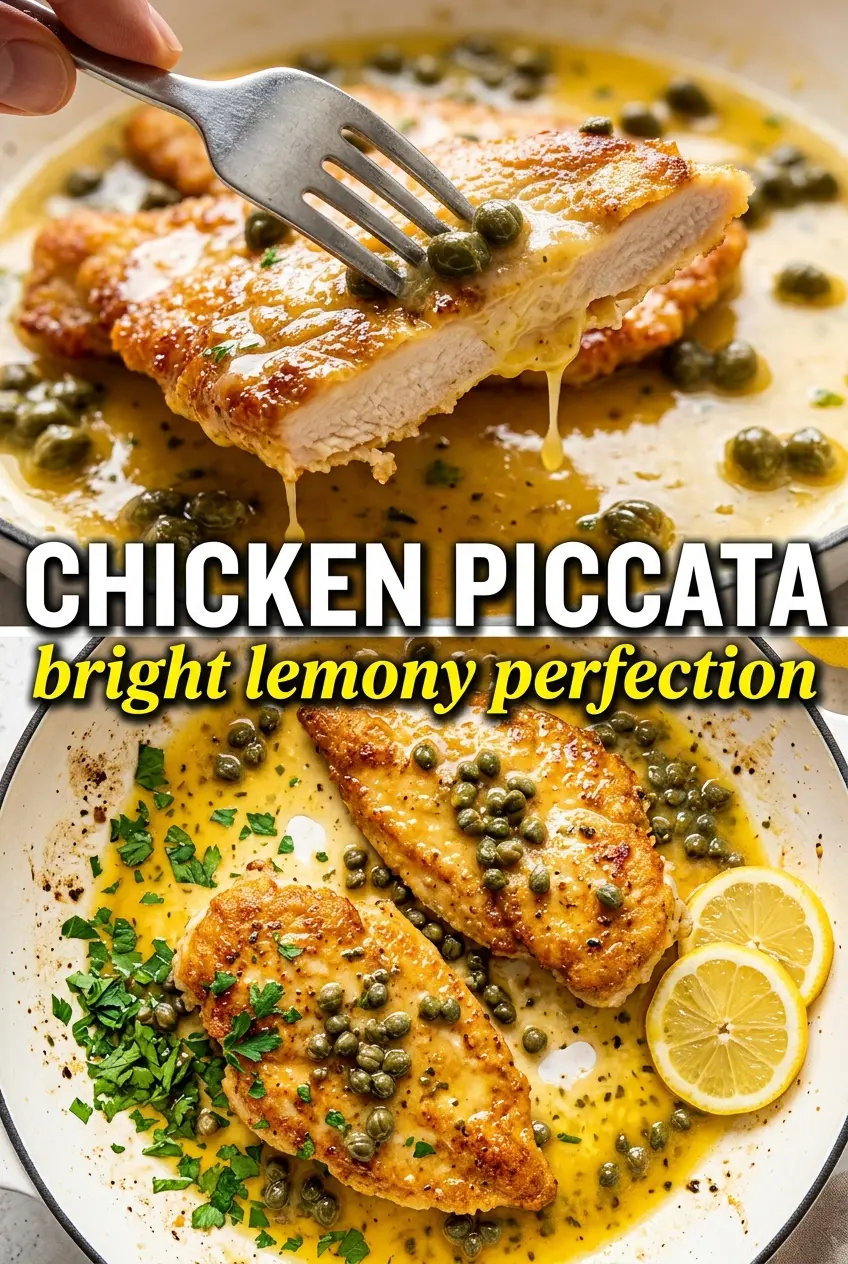
Chicken Piccata
Ingredients
Equipment
Method
- Season the chicken cutlets with salt and pepper, then dredge lightly in all-purpose flour, shaking off excess so the surface is thinly coated.
- Heat olive oil and 2 tablespoons butter in a large skillet over medium-high heat until shimmering, then cook chicken in batches for 3-4 minutes per side until golden and cooked through.
- Remove the chicken to a plate or sheet and set aside while you build the pan sauce.
- Add minced garlic and cook for 30 seconds, stirring until fragrant.
- Pour in the dry white wine and scrape up the browned bits from the pan, then simmer for 2 minutes so the alcohol cooks off.
- Add chicken broth, fresh lemon juice, capers, and the thinly sliced lemon, then simmer for 4-5 minutes until the sauce reduces by about a third.
- Remove the skillet from heat and swirl in the remaining 2 tablespoons cold butter until the sauce looks glossy and silky.
- Return the chicken to the skillet and spoon the lemon-butter-caper sauce over each cutlet so it pools around the fillets.
- Garnish with chopped fresh parsley and serve immediately.