Linguine coated in cowboy butter sauce lands with a sharp, buttery kick that clings to every strand instead of pooling at the bottom of the bowl. The chicken stays juicy, the edges pick up a little char, and the lemon, garlic, and herbs keep the whole dish from feeling heavy. It’s the kind of pasta that tastes like it took more work than it did.
The trick is in the order. The chicken gets a hard sear first so the skillet builds up browned bits, then the butter sauce goes into the same pan to pull all that flavor back into the pasta. A little pasta water turns the sauce glossy and helps it coat the linguine instead of sitting on top of it. Dijon adds a quiet backbone here too; it keeps the butter from tasting flat and gives the sauce a little more grip.
Below, you’ll find the exact moment to add the pasta water, the one swap that makes this work with what’s already in your kitchen, and a few variations if you want the sauce a little milder or the meal a little richer.
The sauce turned glossy with just a splash of pasta water, and the chicken stayed tender even with the high-heat sear. My husband went back for seconds before I even sat down.
Save this cowboy butter chicken linguine for the nights when you want a glossy, spicy pasta with a seared chicken finish.
The Part Most Pasta Recipes Get Wrong: Sauce That Actually Clings
Cowboy butter works best when it stays emulsified, and that’s where a lot of skillet pastas fall apart. If the butter gets too hot or the pasta goes in dry, the sauce turns greasy instead of glossy. The fix is simple: build the flavor in the pan, then add the pasta water in small splashes until the sauce looks silky and coats the noodles.
The other thing that matters here is the sear on the chicken. You want browned edges, not pale steamed pieces, because those little crusty bits left in the skillet are what give the sauce depth. Pull the chicken when it’s just cooked through, then use the same pan for the butter and aromatics so nothing gets wasted.
- High heat for the chicken — That quick sear gives you color and flavor without drying out the strips. If the pan is crowded, the chicken will steam, so cook it in a single layer.
- Pasta water — The starch in the water helps bind the butter and lemon into a sauce that coats instead of slides off. Add it a little at a time; too much at once makes the sauce thin.
- Dijon mustard — It doesn’t make the sauce taste like mustard. It helps the butter sauce stay together and adds a subtle sharpness that keeps the pasta from tasting one-note.
What Each Ingredient Is Actually Doing in This Dish
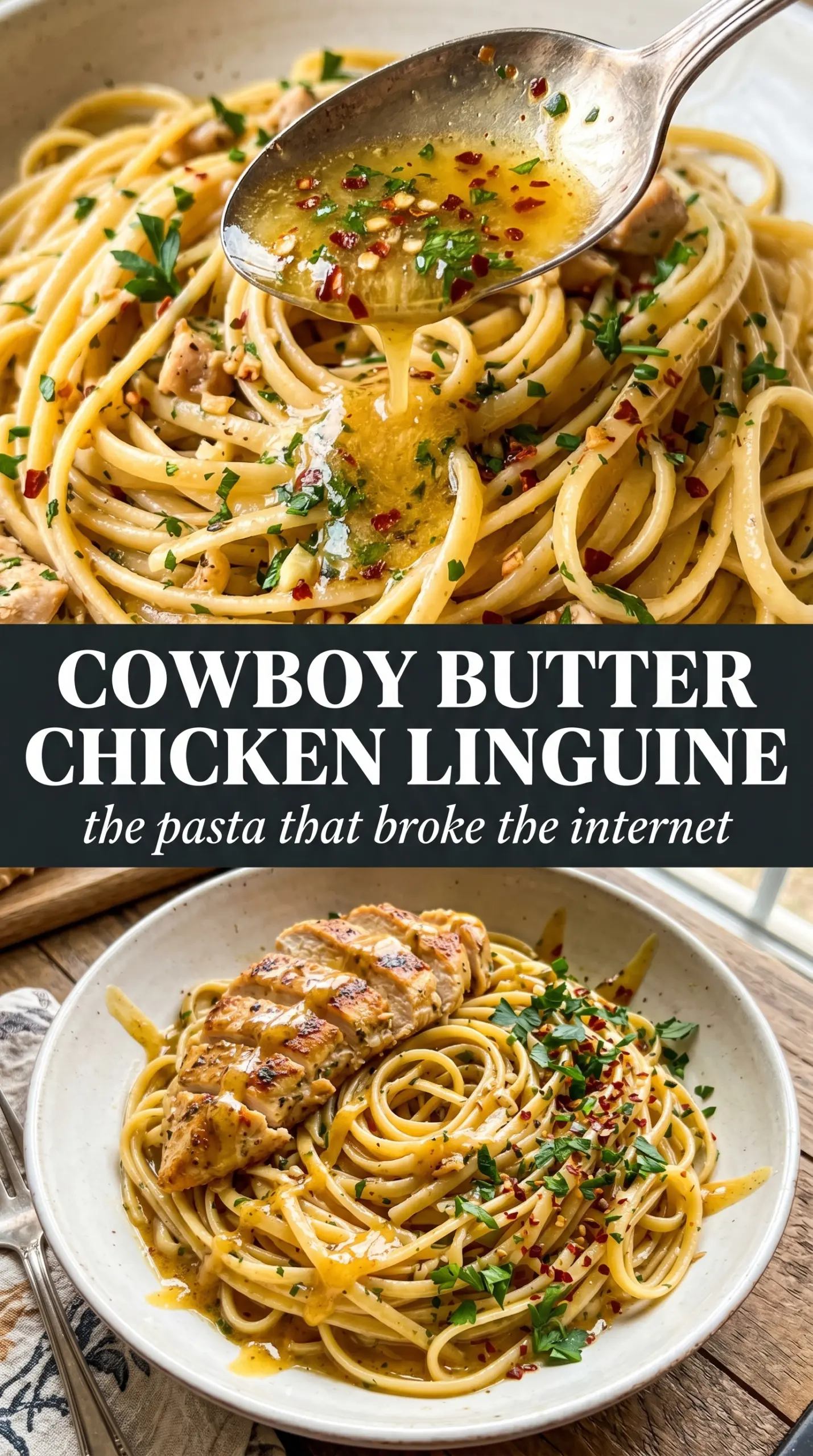
- Chicken breasts — Strips cook quickly and stay tender if you stop at just cooked through. Thighs work too, but they bring a richer, fattier finish and a little less of that clean seared bite.
- Cajun seasoning — This layers in salt, spice, and herbiness all at once. If your blend is heavy on salt, ease up on the extra salt at the start and taste before serving.
- Butter — This is the body of the sauce, so use real butter here. There’s no substitute that gives the same velvety finish, though you can reduce the amount slightly if you want the sauce a touch lighter.
- Garlic, lemon, parsley, and chives — These are what keep cowboy butter bright instead of flat. Add the herbs at the end so they stay fresh and green, not dull and wilted.
- Linguine — Long pasta is the right shape for this sauce because it grabs onto the butter and spice. If you swap in fettuccine or spaghetti, the dish still works; just use enough pasta water to loosen the sauce as needed.
Getting the Chicken, Butter, and Pasta to Meet at the Right Moment
Build the Sear First
Season the chicken well, then cook it in hot olive oil until the strips are browned on the outside and just cooked through. Don’t fuss with them once they hit the pan; letting them sit still is what gives you that charred edge. If the chicken starts to leak liquid and pale up, the heat is too low or the skillet is too crowded.
Wake Up the Butter Sauce
Melt the butter in the same skillet and stir in the garlic for just about a minute, long enough to smell it bloom but not long enough to brown. Add the Dijon, paprika, red pepper flakes, and cayenne next so the spices toast briefly in the fat. That short cook keeps the flavor round and deep instead of raw and harsh.
Finish With Pasta Water
Add the lemon juice and herbs, then toss in the cooked linguine with a splash of pasta water. Toss until the sauce turns glossy and starts clinging to the strands. If it looks oily, keep tossing with another spoonful of pasta water; the starch needs a moment to pull everything together. Return the chicken to the pan last so it stays juicy and doesn’t overcook while you finish the pasta.
How to Adapt This for a Milder, Dairy-Free, or Saucier Plate
Make It Milder Without Losing the Cowboy Butter Character
Cut the red pepper flakes in half and skip the cayenne, then add a little extra parsley and a touch more lemon. You’ll keep the bright, savory backbone of the sauce without the lingering heat.
Gluten-Free Version
Use your favorite gluten-free linguine and cook it just shy of al dente so it can finish in the sauce without breaking. Gluten-free pasta usually needs a little more pasta water to loosen and bind, so don’t be shy with a few extra splashes.
Dairy-Free Swap
Use a good dairy-free butter-style spread that melts smoothly and has a clean, savory flavor. The sauce won’t be quite as rich, but the garlic, lemon, and spices still carry the dish if you keep the heat moderate and use enough pasta water to help it emulsify.
Storage and Reheating
- Refrigerator: Store leftovers in an airtight container for up to 3 days. The pasta will absorb some sauce as it sits, so expect it to look a little drier on day two.
- Freezer: This dish doesn’t freeze well. The butter sauce can separate and the pasta turns soft after thawing.
- Reheating: Reheat gently in a skillet over low heat with a splash of water or chicken broth. High heat is the mistake here; it tightens the chicken and breaks the sauce.
Answers to the Questions Worth Asking
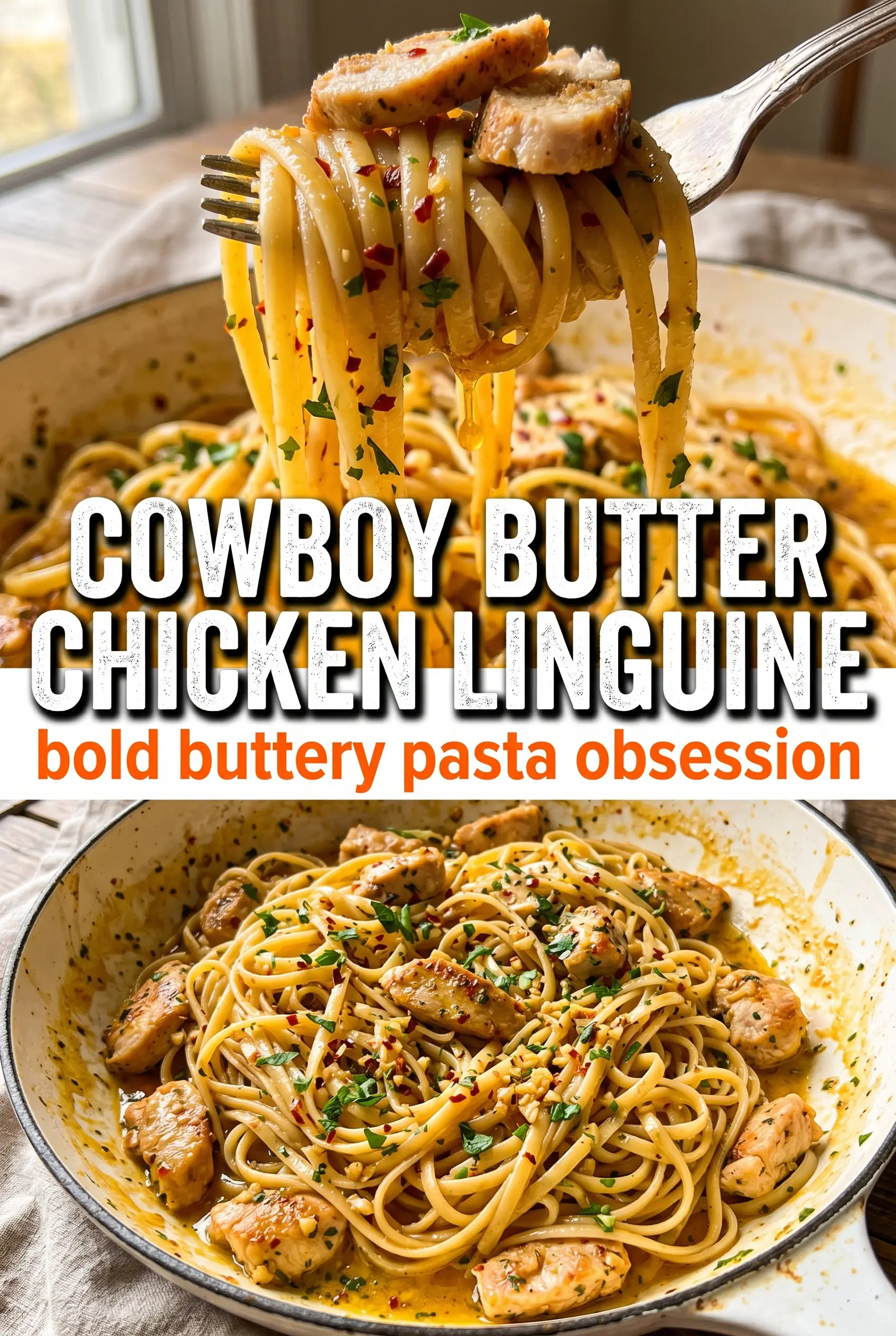
Cowboy Butter Chicken Linguine
Ingredients
Equipment
Method
- Season the chicken strips with salt, pepper, and Cajun seasoning; cook in olive oil in a large skillet over high heat for 4-5 minutes until charred and cooked through, then remove.
- Melt the butter in the same skillet over medium heat, then add the minced garlic and cook for 1 minute.
- Stir in the Dijon mustard, smoked paprika, red pepper flakes, and cayenne, then cook for 30 seconds.
- Add the fresh lemon juice, parsley, and chives, then toss to combine.
- Toss the cooked linguine in the cowboy butter sauce with pasta water as needed until glossy and evenly coated, adding reserved pasta water gradually.
- Top with the seared chicken strips.
- Serve immediately.