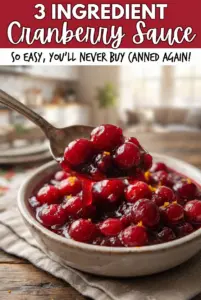
Thick, glossy cranberry sauce earns its place because it turns sharp berries into something jammy, bright, and spoonable with almost no effort. The finished texture lands somewhere between a loose preserve and a soft set compote, with just enough whole berries left behind to give it body and a little pop.
The trick is starting with a full boil so the sugar dissolves cleanly before the cranberries go in. Once the berries hit the pan, the sauce needs time at a steady simmer to burst, thicken, and take on that deep ruby color. Pulling it off the heat a little early matters, because it tightens as it cools and sets even more in the fridge.
Below, I’ve included the part that matters most: how to tell when it’s done, what to do if you want it smoother or more citrusy, and how far ahead you can make it without losing that fresh cranberry bite.
I was surprised how fast the berries burst, and the sauce thickened into that perfect jammy texture once it cooled. I made it the day before, and it held up beautifully on the table.
Save this 3 Ingredient Cranberry Sauce for a ruby-red side that sets up thick, glossy, and ready for the holiday table.
The Part Where Cranberry Sauce Turns from Thin to Set
Most cranberry sauce mistakes happen because it gets judged too early. Hot off the stove, it will still look loose and a little thin, even when it’s right on track. The berries need a full simmer to split open, release their pectin, and thicken the liquid around them. That setting happens mostly after the pan leaves the heat.
If you stop cooking as soon as every berry bursts, the sauce usually lands in the perfect place after chilling. If you boil it hard for too long, it can get dense and sticky instead of glossy and spoonable. Keep the heat at a gentle simmer once the cranberries go in, and stir just enough to keep the sugar from settling on the bottom.
- Cranberries — Fresh berries hold their shape better and give you that bright, tart pop. Frozen cranberries work too, straight from the freezer, but they may take a minute longer to burst.
- Sugar — This balances the tartness and helps the sauce thicken into a soft set. Granulated sugar works cleanly here; brown sugar will darken the sauce and add a molasses note, which changes the flavor more than people expect.
- Water — The water dissolves the sugar and gives the berries enough liquid to cook evenly. Don’t cut it down much, or the sugar can scorch before the cranberries release enough juice to carry the sauce.
What Each Ingredient Is Actually Doing in This Sauce
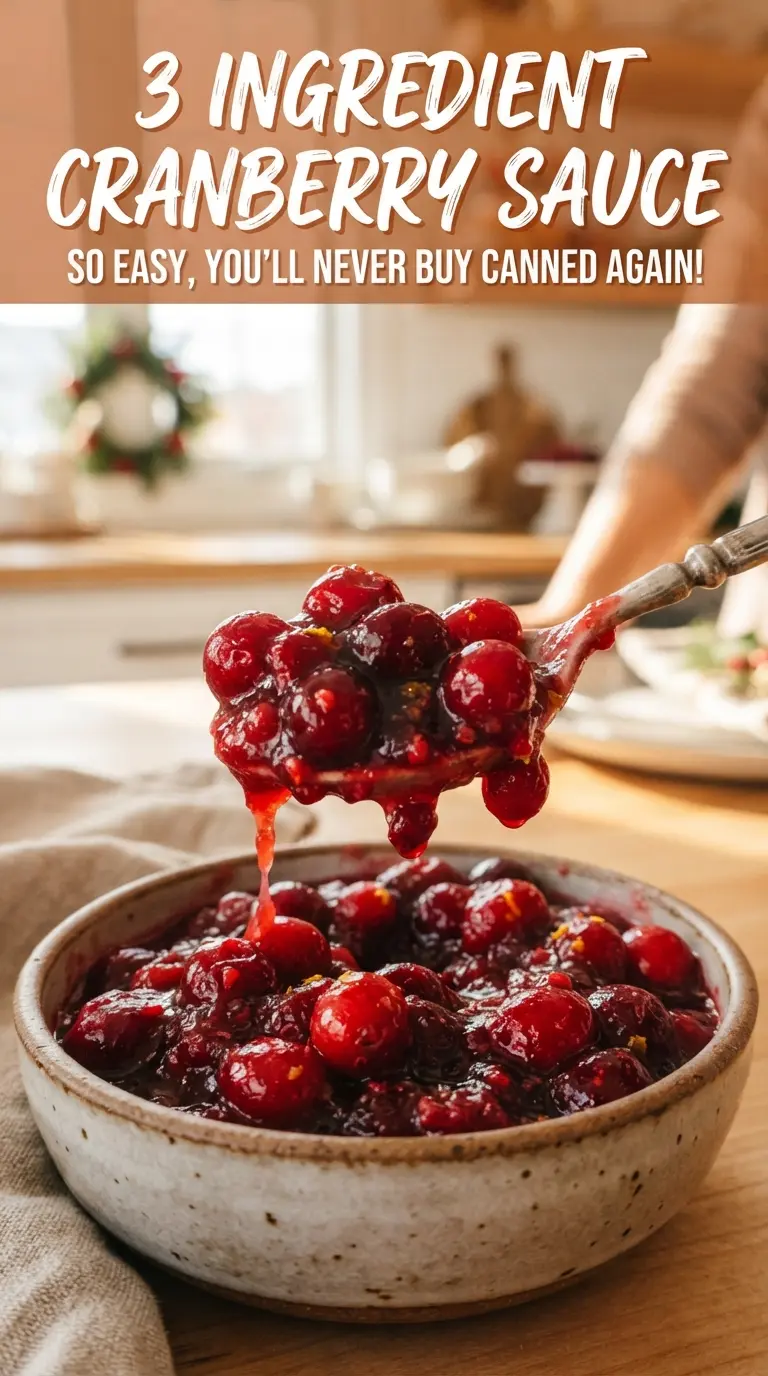
- Fresh cranberries — They bring the sharp, clean flavor and the natural pectin that gives the sauce its set. If you want a smoother sauce, simmer a few minutes longer and mash the berries with the back of a spoon near the end.
- Granulated sugar — This is the balancing act. It doesn’t just sweeten; it helps the sauce feel round instead of painfully tart, and it supports the glossy finish after chilling.
- Water — This keeps the sugar from cooking too fast and gives the cranberries room to burst without sticking. Orange juice can replace some or all of the water if you want a citrus edge, but it will make the sauce taste less purely cranberry-forward.
How to Cook It So the Sauce Sets on Its Own
Dissolve the Sugar First
Bring the water and sugar to a boil before the cranberries go in, and stir until the grains disappear. That step keeps the base clean and prevents a gritty finish. If sugar crystals are still visible when you add the berries, they can cling to the pan and cook unevenly.
Cook Until the Berries Split Open
Add the cranberries and return the pot to a boil, then reduce the heat to a steady simmer. You want to hear occasional little pops as the berries burst and the liquid turns from clear to deep red. Stir once in a while so the fruit on the bottom doesn’t overcook while the berries on top are still intact.
Stop Before It Looks Fully Thick
The sauce should still look a touch loose when you take it off the heat. As it cools, the pectin tightens and the texture turns jammy. If it looks perfect in the hot pan, it often ends up too stiff in the fridge.
Chill Until It Firms Up
Pour the sauce into a bowl and let it cool completely before refrigerating. Warm cranberry sauce seems thinner than it really is, so don’t rush this part. After chilling, the sauce should mound on a spoon instead of running off it.
Three Ways to Adjust the Sauce Without Losing the Jammy Set
For a smoother, more spreadable sauce
Cook the berries until most of them have burst, then mash lightly with a spoon or potato masher. This keeps the same tart-sweet flavor but removes more of the whole-berry texture, which is handy if you want it to sit neatly on sandwiches or biscuits.
For a brighter citrus version
Swap up to half the water for orange juice and add a little orange zest at the end. The sauce will taste fresher and a bit softer around the edges, but the citrus can push the cranberry flavor into the background if you add too much.
For a lower-sugar version
You can reduce the sugar a bit, but don’t slash it too far or the sauce will taste harsh and thin. If you want a less sweet result, start by cutting the sugar to 3/4 cup and expect a looser set with a sharper cranberry bite.
Storage and Reheating
- Refrigerator: Keeps for 10 to 14 days in a sealed container. It will continue to thicken as it sits, so don’t panic if it looks a little loose on day one.
- Freezer: Freezes well for up to 2 months. Portion it into airtight containers and leave a little headspace so the sauce can expand.
- Reheating: Cranberry sauce is usually served cold or at room temperature, but you can warm it gently over low heat if needed. Don’t boil it again or it can turn jammy in a sticky, over-reduced way.
Answers to the Questions Worth Asking
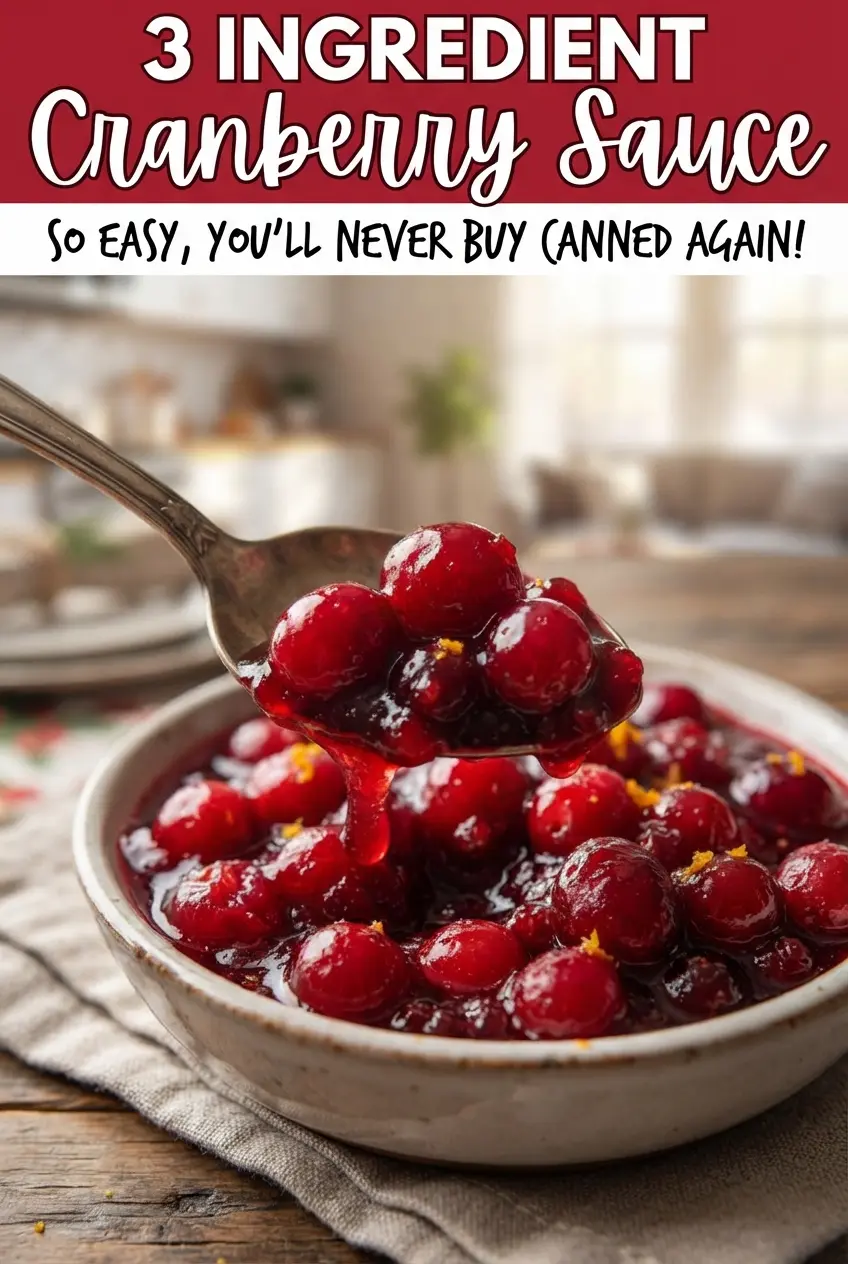
3-Ingredient Cranberry Sauce
Ingredients
Equipment
Method
- Bring the granulated sugar and water to a boil in a saucepan, stirring until the sugar dissolves.
- Continue boiling for 1 minute, then reduce heat slightly to prevent scorching while you add the cranberries.
- Add the fresh cranberries and return to a boil.
- Reduce heat and simmer for 10 minutes, stirring occasionally, until the berries burst and the sauce looks thick and ruby.
- Remove the saucepan from heat and cool completely.
- Chill until serving—this is when the sauce sets as it cools.