Soft pumpkin gnocchi should taste rich and light at the same time, with a tender bite that holds together in the pot and turns golden when it hits the pan. The best batches don’t dissolve into the water or turn gummy on the board. They cook up as little pillows with just enough structure to catch brown butter, sage, and parmesan in every crease.
The key is moisture control. Pumpkin puree and ricotta both carry a lot of hidden water, and if either one goes in straight from the container, the dough usually demands too much flour and ends up dense. I blot the pumpkin hard, drain the ricotta, and add flour gradually until the dough is soft but workable. That keeps the gnocchi delicate instead of heavy.
Below, I’ll walk through the dry-mix approach that makes the dough manageable, the easiest way to shape it without overworking it, and the brown butter finish that gives these gnocchi their best texture.
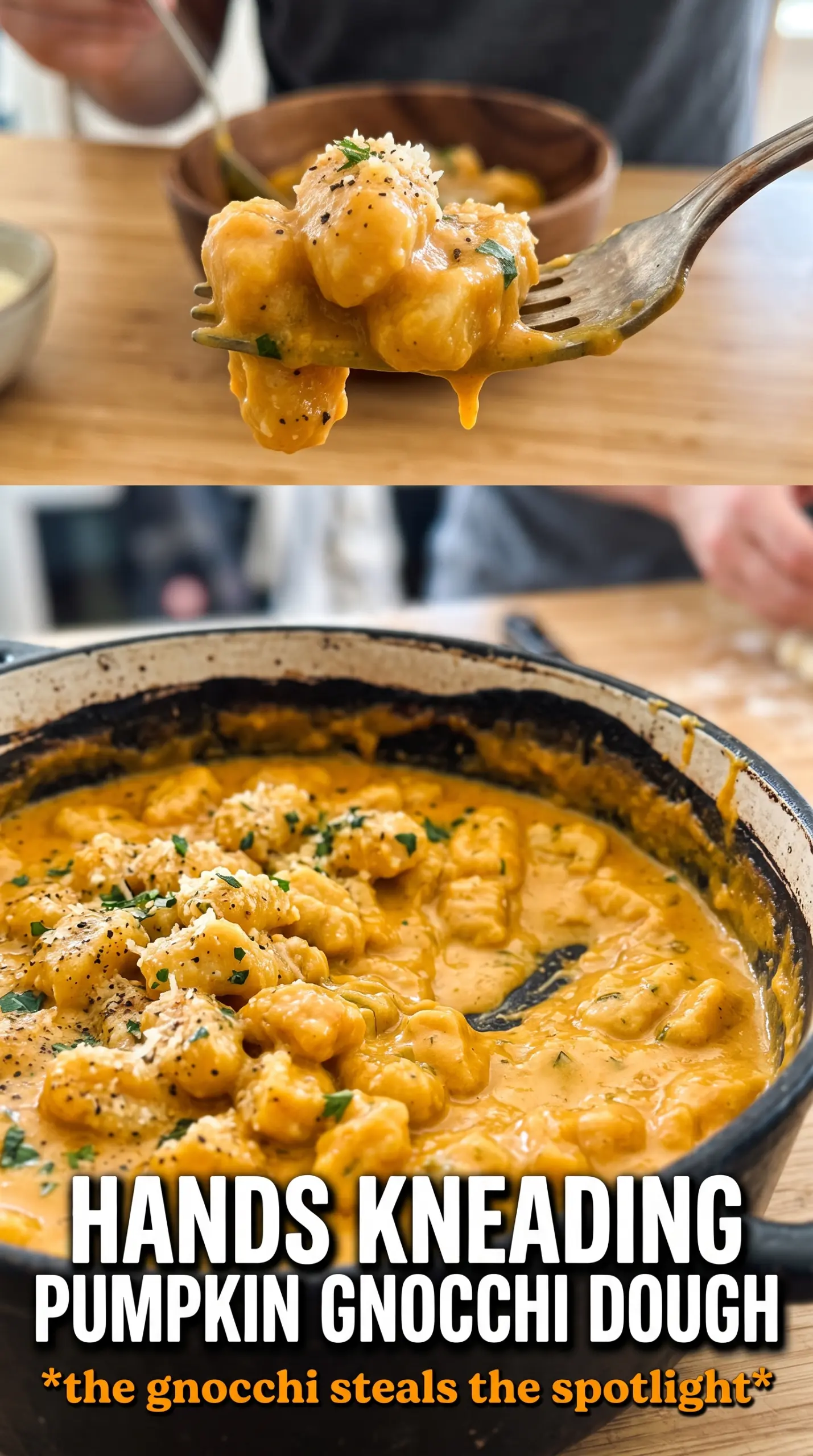
The dough came together fast, and the gnocchi held their shape in the water instead of getting mushy. The brown butter and crispy sage made them taste like a restaurant plate.
Pin these pumpkin gnocchi for the night you want pillowy pasta, crisp sage, and brown butter in one pan.
The Moisture Problem That Makes Gnocchi Heavy
Pumpkin gnocchi fails for the same reason a lot of homemade gnocchi fails: the dough gets overloaded with flour before it ever reaches the pot. Pumpkin puree and ricotta both look harmless, but they hold enough water to turn the dough sticky and slack. Once you keep adding flour to chase that stickiness, the gnocchi get bready instead of tender.
Drying the pumpkin and draining the ricotta changes the whole dish. You need less flour, which means the dough stays soft and the finished gnocchi keep that light, almost fluffy center. If the dough still feels tacky after mixing, let it rest for 5 minutes before adding more flour. That pause gives the flour time to hydrate, and often it’s enough to bring everything together without making the batch tough.
What Each Ingredient Is Actually Doing in This Dough
- Pumpkin puree — This brings the color and earthy sweetness, but only if it’s dried well first. If it’s watery, the dough needs too much flour and loses its tenderness. Blot it on paper towels until it stops spreading moisture.
- Ricotta — Ricotta adds creaminess and a softer crumb than a potato-based gnocchi, but it has to be drained. A dry, whole-milk ricotta gives the best texture. If your ricotta is loose, strain it in a fine mesh sieve for at least 30 minutes.
- Parmesan — This seasons the dough and helps it hold together. Finely grated parmesan melts into the mixture better than coarse shreds. Use the good stuff here; the flavor comes through in every bite.
- Flour — This is structure, not the main event. Start with the lower amount and add only enough to make a soft dough you can roll. Too much flour is the quickest way to make gnocchi dense and chewy.
- Brown butter, sage, and walnuts — The sauce needs nothing fancy, but each part matters. Butter gives nutty depth once it browns, sage crisps in the fat, and walnuts add a toasted crunch that keeps the dish from feeling soft all the way through.
The 20 Minutes That Decide the Texture
Mix the Dough Without Beating It
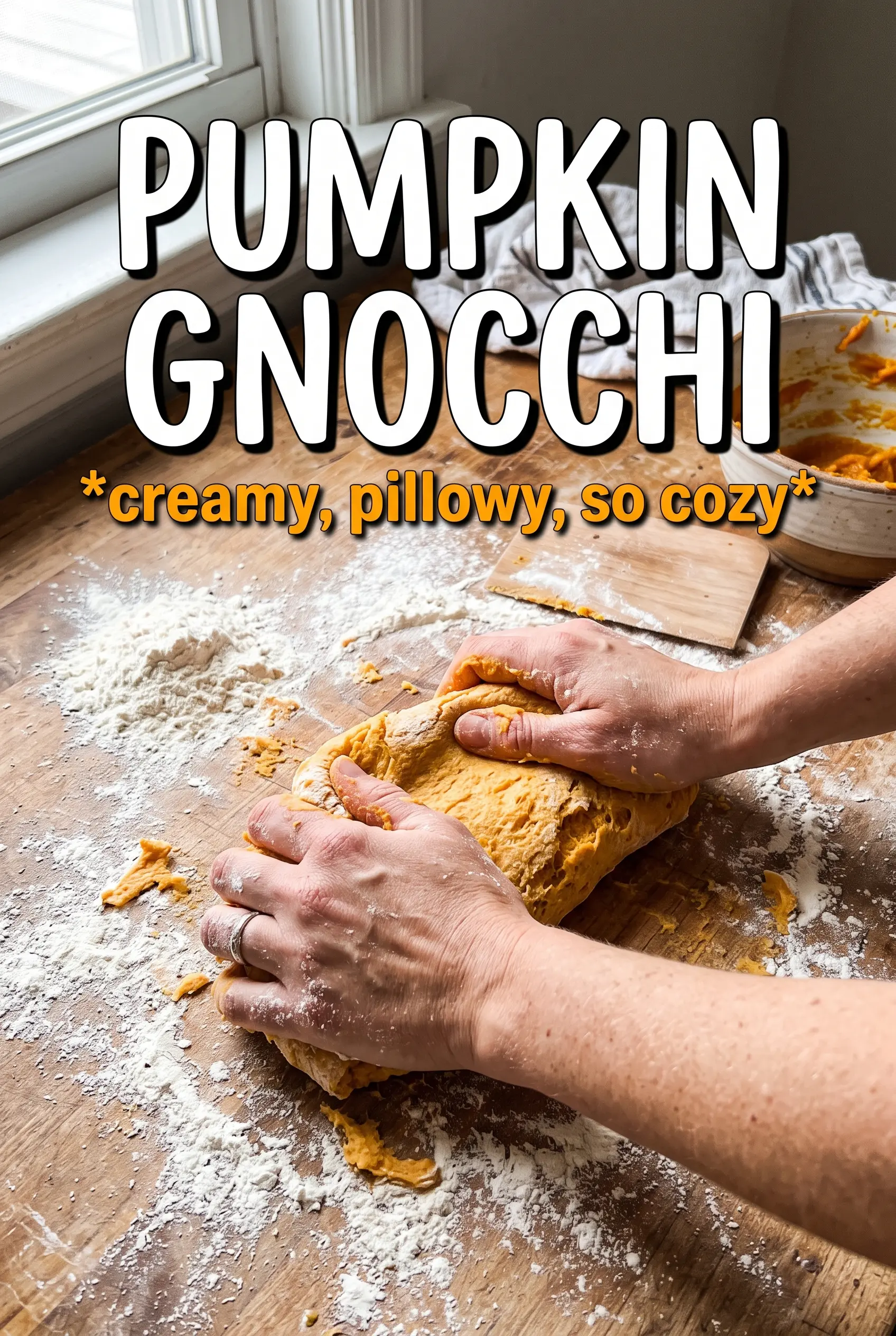
Stir the pumpkin, ricotta, egg, parmesan, salt, nutmeg, and flour just until a soft dough forms. You want it cohesive, not smooth like bread dough. If you knead it hard, the gluten tightens and the gnocchi get springy instead of tender. The dough should feel slightly sticky but still let you handle it with lightly floured hands.
Shape Gently, Then Cut Cleanly
Dust the counter lightly and roll the dough into ropes about as thick as your thumb. Cut 1-inch pillows with a sharp knife or bench scraper so the edges stay neat. If the ropes crack, the dough is too dry; if they smear, it needs a touch more flour. Pressing the tines of a fork over each piece gives the sauce more surface to cling to, but don’t flatten them.
Boil Until They Float and Stop There
Drop the gnocchi into a wide pot of well-salted water and keep the boil gentle, not violent. When they float to the surface, give them another minute or so, then lift them out with a spider or slotted spoon. If you let them boil hard after they float, they can break apart. Work in batches so the water temperature doesn’t crash.
Finish in Brown Butter for the Best Edge
Brown the butter until it smells nutty and the milk solids turn golden, then add the sage leaves until they crisp. Toss the cooked gnocchi in the pan just long enough to coat and lightly sear the outside. That quick toss gives you the best texture contrast: tender centers, a little color on the outside, and a sauce that clings instead of pooling.
Make it a little richer with mascarpone
Swap 2 tablespoons of the ricotta for mascarpone if you want a silkier dough and a slightly richer finish. The gnocchi will feel a touch more luxurious, but the dough may need a little extra flour because mascarpone softens the mixture. Use this version when you want a more decadent plate.
Gluten-free pumpkin gnocchi
Use a 1:1 gluten-free flour blend in place of the all-purpose flour. The texture will be a little more delicate, so keep the ropes thick enough to handle and move them gently to the pot. Rice-based blends work best because they keep the gnocchi light instead of gummy.
Dairy-free version
Use a thick unsweetened dairy-free ricotta alternative and swap in a dairy-free parmesan-style cheese if you have one that melts well. The dough won’t taste exactly the same, but it can still hold together and carry the pumpkin flavor. For the sauce, use olive oil instead of brown butter and finish with crisp sage and toasted walnuts.
Freeze the extras before boiling
Shape the gnocchi, dust them lightly with flour, and freeze them on a parchment-lined tray until firm. Move them to a freezer bag once they’re solid. Cook from frozen and add a minute or two to the boil time; thawing first makes them sticky.
Storage and Reheating
- Refrigerator: Store cooked gnocchi in an airtight container for up to 3 days. They soften a little as they sit, but they still reheat well if you handle them gently.
- Freezer: Uncooked gnocchi freeze beautifully. Freeze on a tray first, then pack into a bag for up to 2 months. Cook them straight from frozen for the best texture.
- Reheating: Warm leftovers in a skillet with a little butter over medium-low heat. Don’t microwave them if you want to keep the edges intact; direct heat brings back the best texture and keeps them from turning mushy.
Questions I Get Asked About This Recipe
Pumpkin Gnocchi
Ingredients
Equipment
Method
- Blot the pumpkin puree and ricotta extremely dry, then combine them with the egg, parmesan, salt, nutmeg, and enough all-purpose flour to form a soft, slightly sticky dough.
- Transfer the dough to a lightly floured surface, roll into ropes, and cut into 1-inch pillows.
- Press each pillow with a fork to create texture that holds sauce.
- Boil the gnocchi in well-salted water until they float, 2-3 minutes.
- While they boil, melt the butter in a cast iron skillet over medium heat until it browns, then add the fresh sage leaves and fry until crispy, about 1-2 minutes.
- Add the cooked gnocchi to the brown butter and toss to coat.
- Serve immediately with crispy sage, toasted walnuts, and extra parmesan dusted generously over the surface.