Pumpkin Alfredo Pasta With Sage lands with that kind of silky, clingy sauce that makes a bowl of pasta feel a little more special without getting fussy. The pumpkin doesn’t taste like pie here; it gives the sauce body, a gentle sweetness, and a deep orange color that looks as good as it eats. Crispy sage and toasted walnuts on top keep each bite from turning flat.
The trick is treating the pumpkin like a sauce ingredient, not a puree that needs to be cooked forever. A short simmer softens the edges, and the pasta water loosens the sauce just enough so it coats the pappardelle instead of sitting in a heavy layer at the bottom of the bowl. Parmesan goes in off the heat or over very low heat so it melts into the cream instead of turning grainy.
Below, I’ve included the timing that matters for keeping the sage crisp, plus the swaps I’d use if you need a different pasta shape or want to make the dish a little lighter.
The sauce came together smooth and glossy, and the sage stayed crisp even after I tossed the pasta. The toasted walnuts on top made it taste restaurant-level.
Save this Pumpkin Alfredo Pasta With Sage for the night you want a silky pumpkin cream sauce with crispy sage and toasted walnuts.
The Trick to Keeping Pumpkin Alfredo Creamy Instead of Heavy
Pumpkin sauces can go dense fast. The mistake is treating them like a gravy and cooking them down until they tighten on their own. That leaves you with a paste-like coating that feels dull on the tongue instead of a sauce that slides and clings in the right way.
Here, the cream and pumpkin simmer just long enough to meld, then the parmesan finishes the texture. Pasta water is what gives the sauce its last bit of movement, and the starch in that water helps the cream and cheese stay emulsified. If the sauce looks thick in the pan, don’t panic. It should loosen when the pasta goes in and tighten again once it hits the heat and starch from the noodles.
- Heavy cream gives the sauce its body and keeps the pumpkin from tasting one-note. Half-and-half will work in a pinch, but the sauce will be thinner and a little less lush.
- Parmesan adds salt and structure. Use the good stuff if you can. Pre-grated cheese often melts less smoothly because of anti-caking agents.
- Pasta water is not optional here. It’s what turns the sauce from rich but static into something that actually coats the pasta.
- Sage and walnuts aren’t garnish in the background. They give the dish crunch and sharpness so the cream sauce doesn’t take over.
What Each Ingredient Is Actually Doing in the Pan
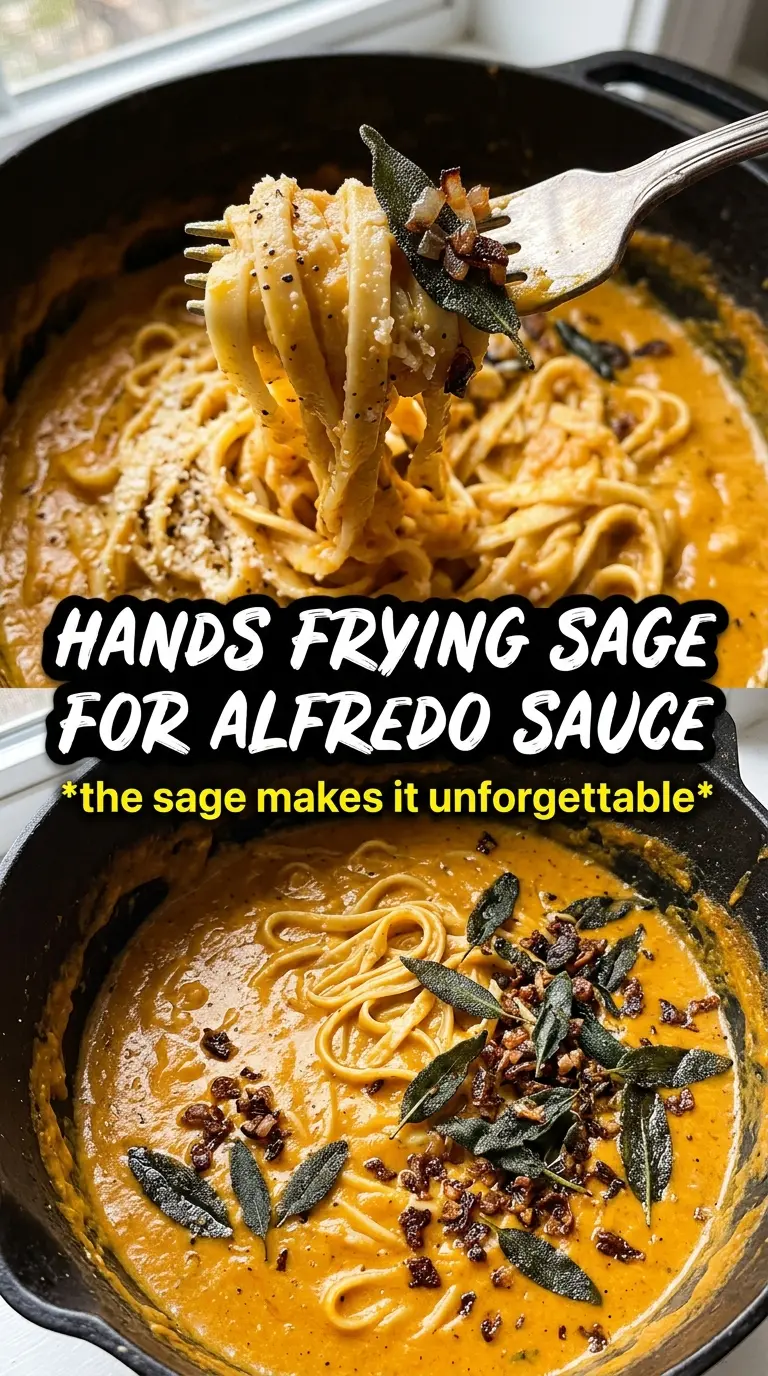
- Pappardelle or wide pasta holds onto the sauce better than thinner shapes. If you swap in fettuccine or tagliatelle, you’ll still get good coverage. Thin spaghetti won’t catch the sauce the same way.
- Pumpkin puree gives the sauce its color and soft sweetness. Use plain puree, not pumpkin pie filling. The spiced version will throw the balance off immediately.
- Butter is doing two jobs: frying the sage and creating the base for the garlic and pumpkin. Unsalted is best because the parmesan brings plenty of salt later.
- Fresh sage leaves turn crisp in hot butter and bring a clean, earthy bite. Dried sage won’t give you the same texture or aroma.
- Toasted walnuts add a nutty crunch that keeps each forkful interesting. If you skip them, the dish loses some contrast, though the pasta will still work.
- Nutmeg is a small addition with a big payoff. It makes the pumpkin taste warmer and more rounded without reading as spiced.
Building the Sauce So It Stays Silky
Crisping the Sage First
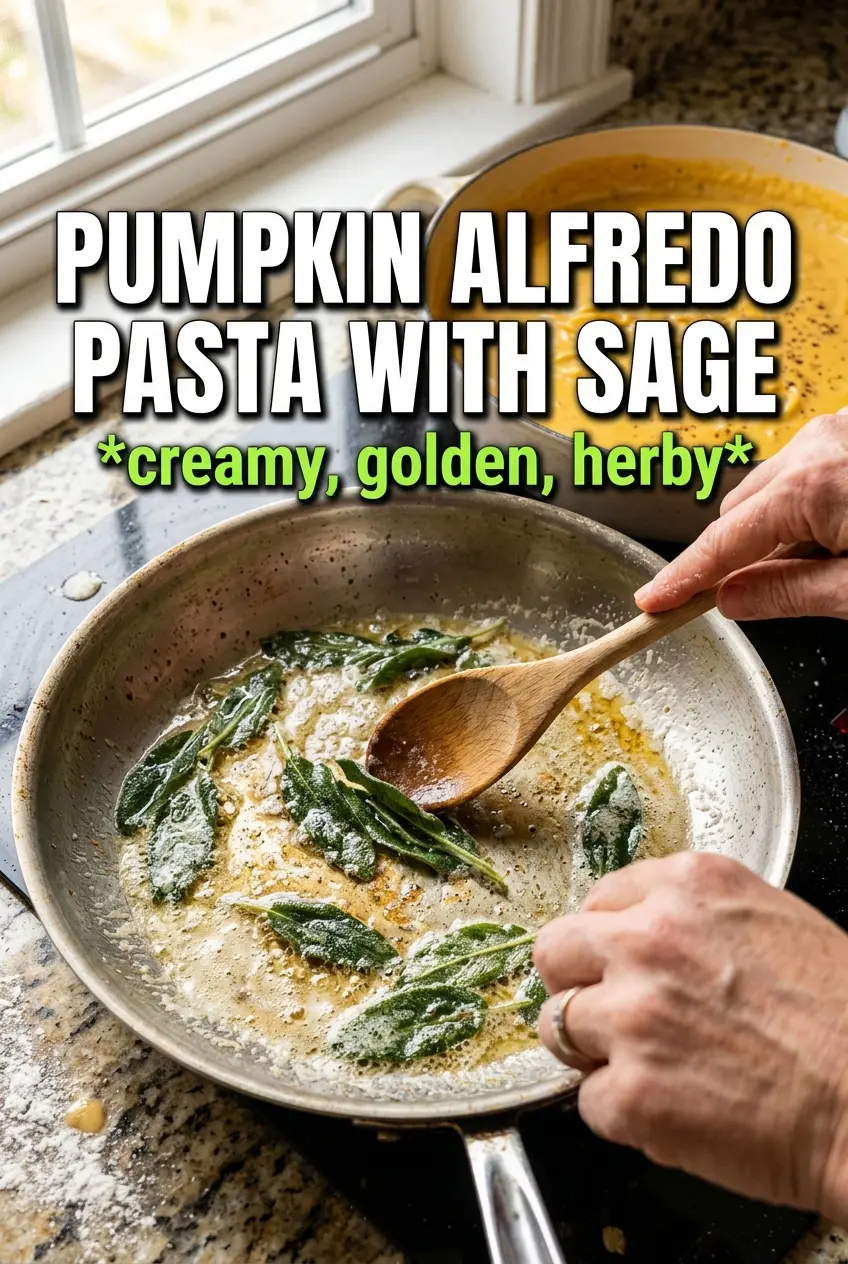
Start with the sage leaves in hot butter and watch them closely. They go from soft to crisp fast, and once they stop sizzling hard and begin to darken around the edges, pull them out. If they stay in the pan too long, they turn bitter and lose that delicate crackle that makes the topping worth doing.
Softening the Garlic Without Browning It
Add the garlic to the same pan after the sage is out and let it cook just until fragrant. You want it to smell sweet and mellow, not toasted. If garlic browns here, it will taste sharp and distract from the pumpkin, so keep the heat moderate and move quickly to the puree and cream.
Letting the Pumpkin and Cream Meld
Stir in the pumpkin, cream, and nutmeg, then let the mixture simmer gently for a few minutes. The sauce should look smooth and slightly glossy, not split or oily. If it starts boiling hard, turn the heat down right away; cream sauces tighten best with patience, not aggression.
Finishing With Cheese and Pasta Water
Take the heat down before the parmesan goes in, then toss in the pasta with a splash of reserved water. Stir until the sauce clings to every ribbon and looks satiny instead of streaky. If it seems too thick, add pasta water a spoonful at a time. If it looks thin at first, give it a minute off the heat because it thickens as the cheese settles in.
Make It Gluten-Free Without Losing the Creamy Finish
Use your favorite gluten-free wide pasta and cook it just shy of done so it can finish in the sauce. Gluten-free noodles release less starch than wheat pasta, so you may need a little extra pasta water to get the same glossy coating.
Dairy-Free Version With a Softer Finish
Swap the butter for olive oil or a plant-based butter and use full-fat unsweetened oat cream or cashew cream in place of heavy cream. The sauce won’t taste quite as rich, and it will lean a little lighter, but it still clings well if you keep the heat low and add the pasta water gradually.
Swap the Walnuts for Another Crunch
Pecans give a sweeter, rounder finish, while toasted pumpkin seeds make the dish nuttier and keep it friendly for anyone avoiding tree nuts. Keep the toasting brief so they add crunch without getting bitter.
Make It Lighter Without Ruining the Sauce
Replace up to half the cream with more pasta water and a splash of milk, then simmer gently until it thickens again. The sauce will be a little less plush, but the pumpkin and parmesan still carry enough body if you don’t rush the reduction.
Storage and Reheating
- Refrigerator: Store leftovers in an airtight container for up to 3 days. The sauce will thicken as it chills.
- Freezer: Freezing isn’t ideal because the cream sauce can separate when thawed. If you must freeze it, cool it fully first and reheat gently while stirring.
- Reheating: Warm it in a skillet over low heat with a splash of water or cream, stirring often. Microwaving in a burst of high heat is the fastest way to make the sauce grainy.
Questions I Get Asked About This Recipe
Pumpkin Alfredo Pasta With Sage
Ingredients
Equipment
Method
- Bring a large pot of salted water to a boil, then cook the pappardelle until tender. Reserve 1 cup of pasta water, then drain the pasta.
- Heat 2 tablespoons of the unsalted butter in a skillet over medium heat, then fry the fresh sage leaves until crisp and deep golden, about 1 to 2 minutes. Remove to a paper towel to drain and set aside.
- In the same skillet, add the remaining 2 tablespoons butter and sauté the minced garlic for 30 to 45 seconds, until fragrant. Stir in pumpkin purée, heavy cream, and nutmeg, then simmer for 4 minutes, stirring occasionally until slightly thickened.
- Add the grated parmesan to the skillet and stir until melted and smooth. Add the cooked pasta and toss, using the reserved pasta water as needed until the sauce clings to the noodles.
- Season with salt and pepper to taste, then serve immediately topped with crispy sage leaves, toasted walnuts, and extra parmesan.