Classic pasta salad works because it stays creamy without turning heavy, and the vegetables keep enough crunch to give every bite some lift. The dressing clings to the pasta instead of sliding off, and after a good chill, the vinegar, mustard, and mayo settle into that familiar picnic flavor people go back for first.
The trick is in the balance. Rinsing the pasta stops the cooking fast and cools it down so the dressing doesn’t thin out or break. A little sugar softens the vinegar, Dijon adds backbone, and the peas, celery, bell pepper, and onion each bring a different kind of bite. Nothing here is fancy, but the proportions matter.
Below, I’ll show you the small details that keep this salad from getting gluey or bland, plus a few smart swaps if you need to work with what’s in the fridge. The make-ahead time matters here, and that’s part of what makes it such a reliable side dish for cookouts and potlucks.
The dressing coated everything evenly and after chilling overnight the pasta had that perfect creamy texture without getting soggy. Even the red onion mellowed out just enough.
Save this creamy classic pasta salad for your next potluck, picnic, or BBQ side table.
The Step That Keeps Classic Pasta Salad Creamy Instead of Gluey
Most pasta salad goes wrong the moment the pasta stays warm too long or gets dressed before it’s cooled enough. Warm noodles absorb the mayo-based dressing fast, which sounds useful until the salad turns tight and heavy instead of glossy and creamy. Rinsing the pasta under cold water stops the cooking, washes off surface starch, and sets you up for a salad that stays loose after chilling.
The other thing that matters is timing. Toss the dressing with the pasta only after the noodles are fully cooled and drained well, or the extra moisture will thin the mayonnaise and mute the seasoning. This salad also needs a real rest in the fridge. The flavor gets better after a few hours because the vinegar softens, the onion mellows, and the pasta takes on the dressing instead of sitting on top of it.
What Each Ingredient Is Actually Doing in the Bowl
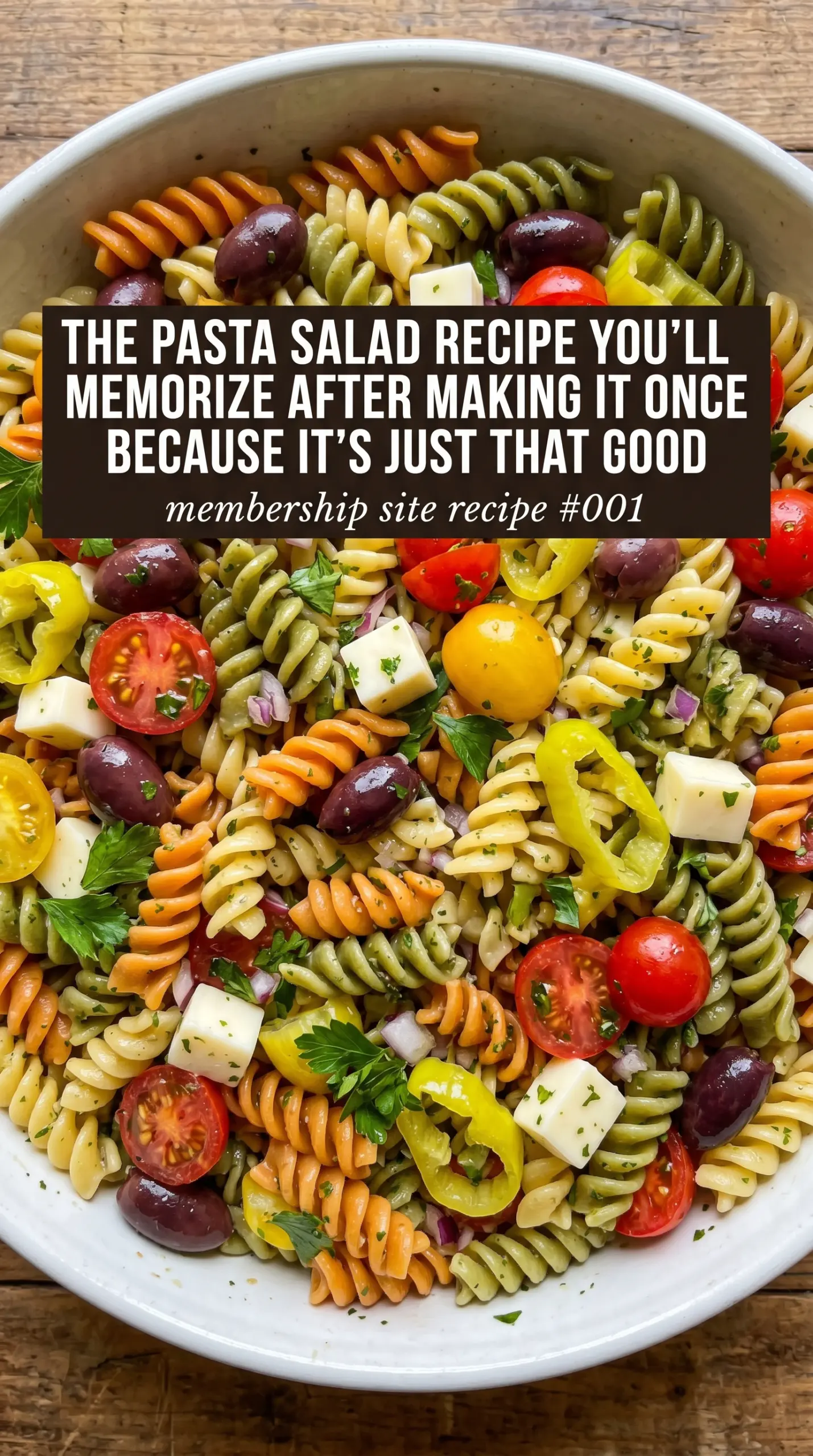
- Elbow macaroni — The shape catches the dressing in every curve and holds up well after chilling. Short pasta with ridges or elbows are the safest choice here; long pasta doesn’t eat like classic pasta salad.
- Mayonnaise — This is the body of the dressing, so use a mayo you actually like the taste of. A lighter spread won’t give the same creamy coat, though you can replace part of the mayo with plain Greek yogurt if you want more tang and a slightly sharper finish.
- White vinegar and Dijon mustard — These keep the salad from tasting flat. The vinegar brightens the dressing, and the mustard helps it emulsify so it clings instead of separating in the bowl.
- Sugar — Just enough to smooth out the vinegar and round off the sharp edges. Skip it only if you want a more bracing, less traditional dressing; it’s not there to make the salad sweet.
- Celery, red bell pepper, and red onion — These are the crunch and color. Dice them small so they distribute evenly, and rinse the onion if you want to soften its bite before mixing.
- Frozen peas — Thawed peas hold their shape better than canned peas and keep the salad tasting fresh. Drain them well so they don’t water down the dressing.
Building the Salad So Every Bite Stays Balanced
Cooking the Pasta Past the Al Dente Point
Cook the macaroni until it’s tender but not falling apart. Pasta salad needs a softer bite than hot pasta dishes because it firms up as it chills, and undercooked noodles turn chewy once the dressing sets around them. Drain it well, then rinse until the pasta is completely cool to the touch. If you skip the rinse, the residual heat keeps cooking the noodles and makes the dressing greasy.
Whisking the Dressing Until It Tastes Right
Stir the mayo, vinegar, sugar, Dijon, salt, and pepper together until the dressing looks smooth and loose, not thick and pasty. Taste it before it goes on the pasta. It should be a little sharper and saltier than you want the finished salad to taste because the noodles and vegetables will pull it back. If it tastes flat now, it’ll taste flatter after chilling.
Letting the Chill Do Its Job
Fold the cooled pasta, vegetables, and dressing together until everything is coated evenly, then cover and refrigerate for at least 3 hours. That resting time is where the flavor comes together. If the salad looks a little dry after chilling, stir in a spoonful of mayo or a splash of vinegar rather than drowning it. The mistake people make here is serving it too soon, before the dressing has had time to settle into the pasta.
How to Adapt This for a Different Crowd or What’s in the Fridge
Dairy-Free and Naturally Creamy
This recipe is already dairy-free as written if your mayonnaise is dairy-free, which most standard mayos are. That makes the texture easy to keep creamy without changing the flavor structure. Just check the label on the mayo if you’re cooking for someone with a strict dairy allergy.
Gluten-Free Pasta Salad
Use a sturdy gluten-free short pasta and cook it just until tender so it doesn’t break apart when stirred. Gluten-free pasta can firm up faster after chilling, so dress it while it’s fully cool and don’t overmix. If the pasta is prone to sticking, toss it with the dressing a little earlier while it’s still just barely warm, then chill.
A Slightly Tangier Picnic Version
Swap half the mayonnaise for plain Greek yogurt if you want more tang and a lighter finish. The salad will taste a little brighter and less rich, and it may loosen slightly after chilling, so add the yogurt slowly until the texture looks right. This works especially well if the rest of the meal is heavy.
Storage and Reheating
- Refrigerator: Keeps for 3 to 4 days in a covered container. The pasta absorbs more dressing over time, so it may need a little extra mayo or a splash of vinegar before serving.
- Freezer: Freezing isn’t a good option. The mayo base separates and the vegetables lose their crunch once thawed.
- Reheating: Don’t reheat this salad. Serve it cold straight from the fridge, then stir well and adjust the seasoning after it sits for a few minutes at room temperature.
Answers to the Questions Worth Asking
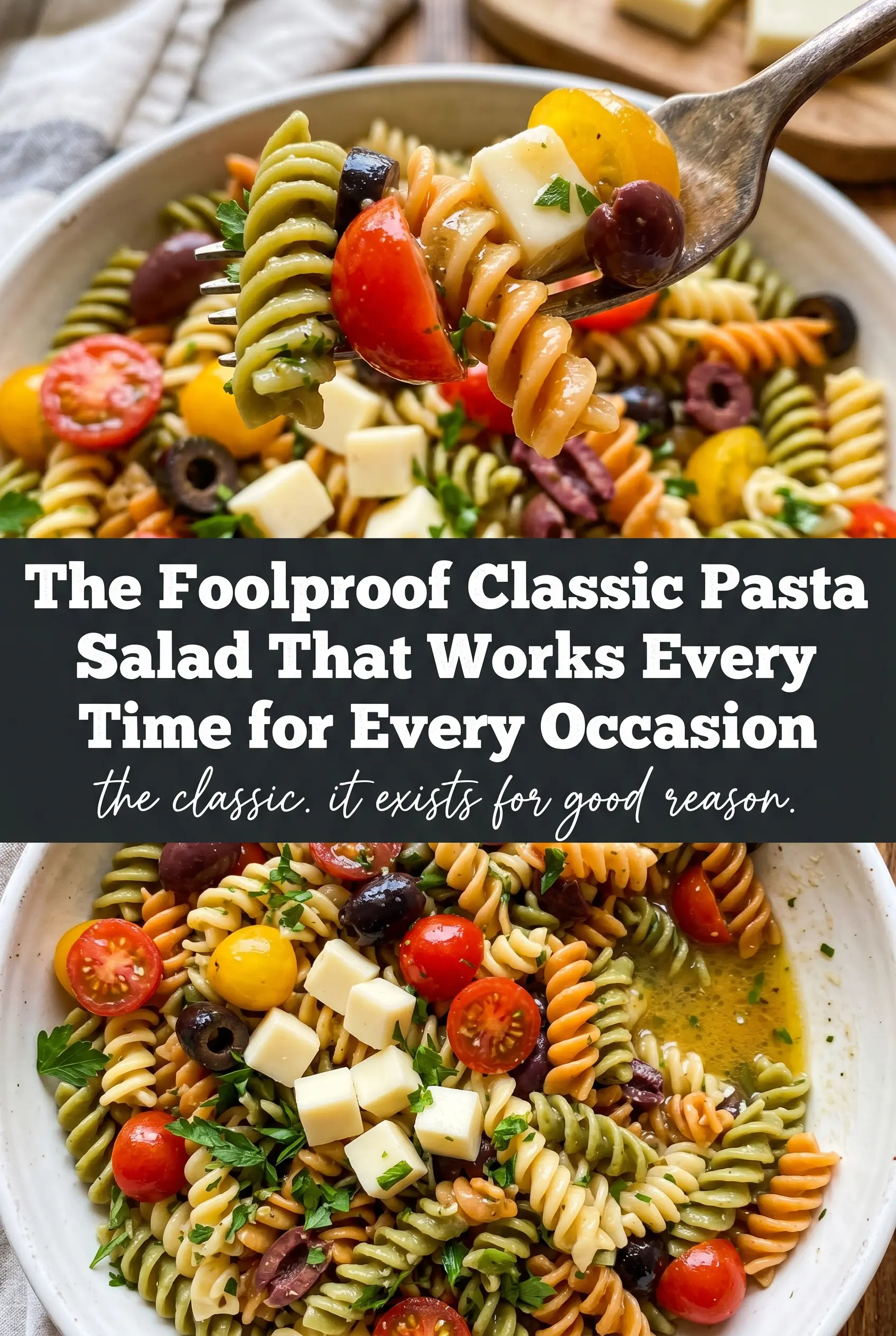
Classic Pasta Salad
Ingredients
Equipment
Method
- Cook the elbow macaroni according to package directions, stirring until tender. Drain the pasta and rinse with cold water to stop the cooking.
- Whisk together mayonnaise, white vinegar, sugar, Dijon mustard, salt, and pepper until smooth. Stop when the dressing looks glossy and evenly combined.
- Combine pasta, celery, red bell pepper, red onion, and peas in a large bowl. Toss just until the vegetables and peas are evenly distributed.
- Pour the dressing over the salad and toss to coat evenly. Make sure all pasta is lightly covered, then cover and refrigerate for at least 3 hours or overnight.
- Stir the pasta salad before serving and adjust seasoning with more salt and pepper if needed. Serve cold for the best creamy texture.