Creamy Cajun sausage pasta lands on the table with the kind of bold, savory sauce that clings to every piece of penne instead of sliding to the bottom of the bowl. The sausage brings smoke and spice, the peppers soften just enough to sweeten the sauce, and the parmesan gives everything a glossy finish that tastes richer than the ingredient list suggests.
The trick is building the sauce in layers. Browning the sausage first leaves behind fond, and that little bit stuck to the pan is where the depth comes from. After that, the onions and peppers cook long enough to soften without disappearing, and the cream gets time to thicken before the pasta goes in. The pasta water matters here, too. It helps the sauce turn silky and helps the parmesan melt in instead of clumping.
Below, I’ll walk through the part that keeps the sauce smooth, the ingredient swaps that still work, and the small finishing details that make this dish taste like you put in more effort than you did.
The sauce thickened right up after I added the pasta water, and the sausage stayed juicy instead of getting lost in the cream. My husband asked for the leftovers the next night.
Save this Creamy Cajun Sausage Pasta for the nights when you want a smoky skillet dinner with a silky sauce and almost no cleanup.
The Part Where Most Creamy Pasta Goes Flat
The mistake that makes a dish like this feel one-note is adding everything at once and hoping the sauce sorts itself out. It doesn’t. Cajun sausage pasta needs browning, a quick vegetable sauté, and a short simmer so the cream picks up the smoky sausage drippings and the spices have time to bloom without tasting raw.
The other thing that matters is heat control. If the cream gets slammed over high heat, the sauce can tighten unevenly or turn grainy around the edges. A steady simmer is enough. You want the sauce to look slightly thickened before the pasta goes in, because the noodles and parmesan will finish the job.
- Browning the sausage first gives you flavor in the pan that a jarred sauce can’t replace. Those browned bits dissolve into the cream later.
- Cooking the vegetables until softened keeps the peppers sweet and the onions mellow, instead of leaving them crunchy in the finished pasta.
- Adding the pasta water at the end helps the sauce cling and keeps the parmesan from turning sandy.
What Each Ingredient Is Actually Doing in This Skillet
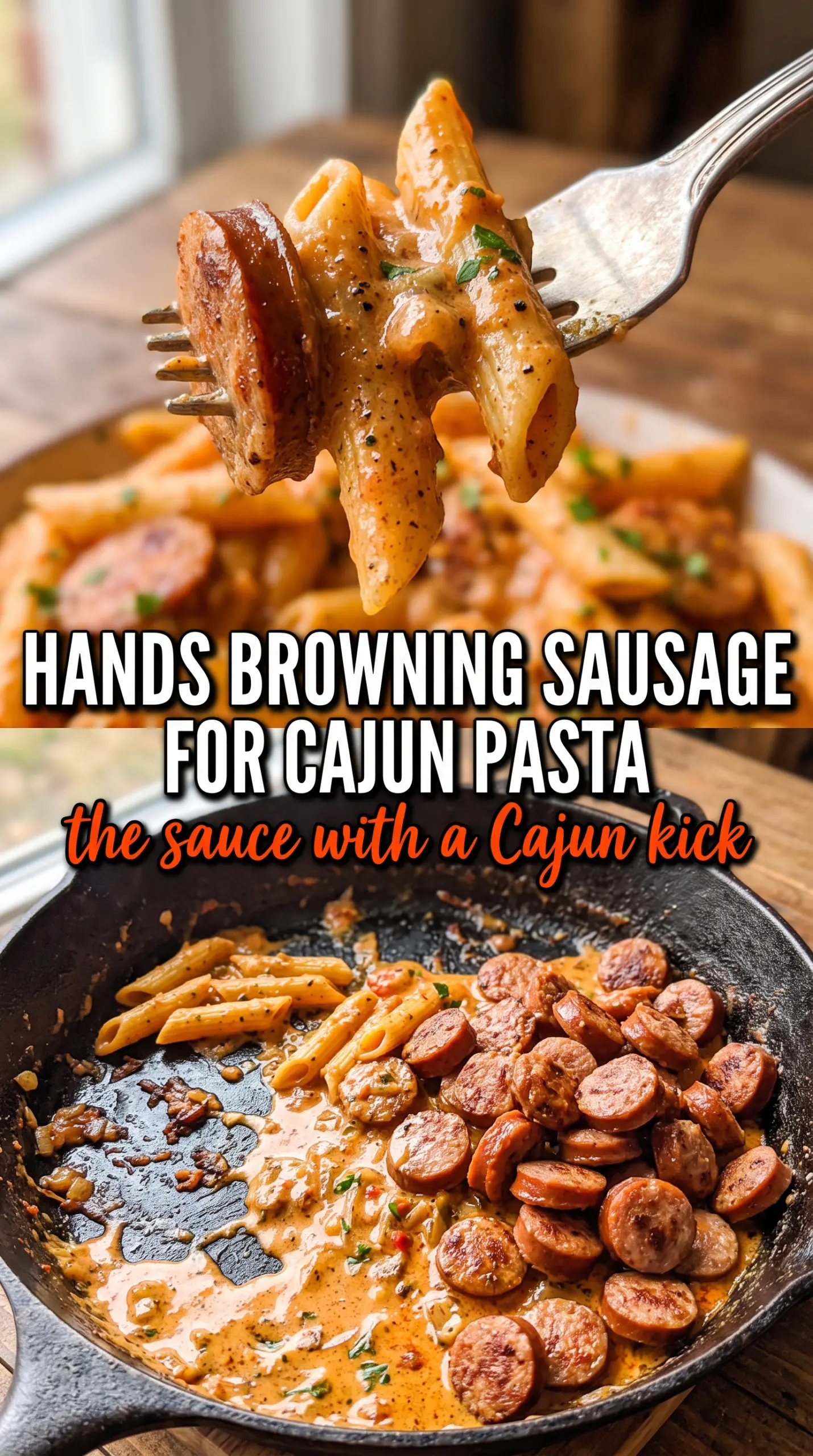
Andouille or smoked sausage is the backbone here. Andouille brings more heat and a deeper Cajun bite, while smoked sausage gives a gentler, rounder flavor. Either one works, but you want a fully cooked sausage that can brown well in the skillet and hold its shape when tossed with the sauce.
Cajun seasoning does more than add heat. It seasons the cream, the vegetables, and the pasta all at once, which is why this dish tastes layered instead of just spicy. If your blend is salt-heavy, hold back on extra salt until the end. Some store-bought blends are aggressive, and the parmesan adds saltiness too.
Heavy cream, broth, and parmesan create the sauce. Heavy cream is worth using because it stays smooth under heat and gives the dish that plush texture. Broth lightens the sauce just enough so it doesn’t feel heavy, and the parmesan thickens it while adding sharpness. Milk won’t give you the same body, and half-and-half is more likely to separate.
Penne is a good choice because the ridges catch the sauce and the tubes trap little bits of sausage and pepper. If you swap shapes, stick with something sturdy like rotini or rigatoni.
Brown the sausage until the edges catch color
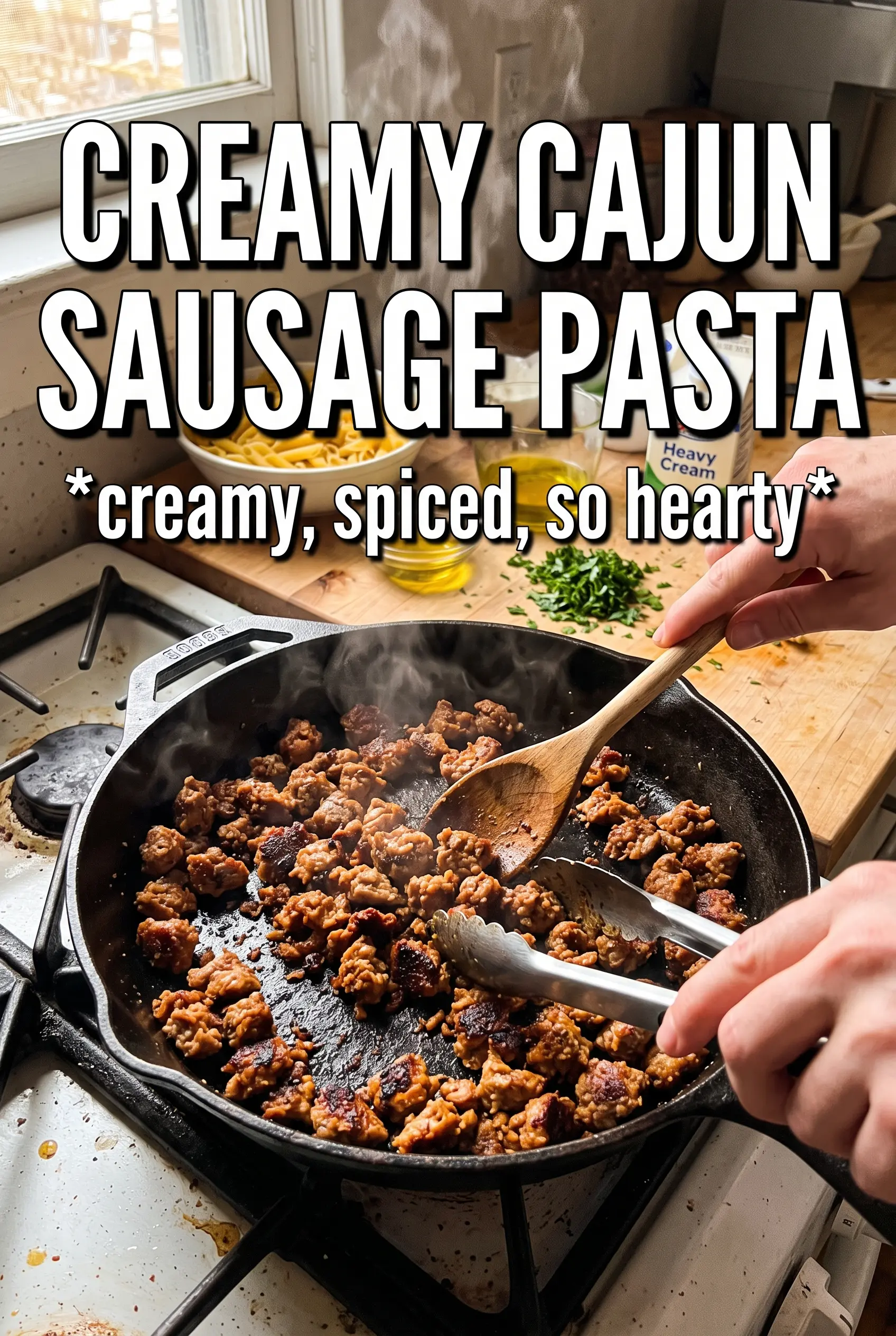
Start the sausage in butter over medium heat and give it time to actually brown. If you rush this part, the sausage turns pale and the pan stays flat-tasting. You want a few dark edges and enough rendered fat to coat the vegetables. Pull the sausage out once it’s browned so it doesn’t overcook while the sauce comes together.
Let the vegetables soften before the garlic goes in
The onion and peppers need a few minutes to lose their raw edge and start to sweeten. Add the garlic and Cajun seasoning only after the vegetables have softened a bit, because garlic burns fast and scorched seasoning tastes harsh. You’ll know this stage is right when the onions look glossy and the peppers have gone from crisp to pliable.
Simmer the cream until it coats a spoon
After the broth and cream go in, let the sauce bubble gently until it looks slightly thick and a spoon leaves a trail for a second before filling in. That’s the point where the pasta won’t water it down too much. If the heat is too high, the sauce can reduce too fast and turn greasy around the edges. Keep it at a calm simmer.
Finish with pasta water and parmesan
Toss in the pasta, splash in the reserved cooking water, then stir in the parmesan off the hottest part of the burner. The starch in the water helps the sauce emulsify, and taking the pan off the direct heat keeps the cheese smooth. If the sauce looks too tight, add another spoonful of pasta water instead of more cream.
Make it milder or hotter
Use smoked sausage and a lighter Cajun blend for a milder version, or choose andouille and add a pinch of cayenne for more heat. The sauce will still be balanced either way because the cream and parmesan round off the spice. If your seasoning already has a lot of salt, taste before adding any extra.
Make it gluten-free
Use a sturdy gluten-free penne and keep the pasta a little underdone when you drain it. Gluten-free pasta can soften fast once it hits the sauce, so it needs a little more structure than regular pasta. The rest of the recipe stays the same.
Make it creamier without making it heavier
Add an extra splash of pasta water before the parmesan if you want a looser, silkier sauce. That gives you more cling without piling on more dairy. It’s the best move if the sauce thickens faster than you want while the pasta finishes cooking.
Storage and Reheating
- Refrigerator: Store in an airtight container for up to 4 days. The pasta will absorb some sauce as it sits, so it thickens a bit.
- Freezer: It freezes, but the cream sauce can loosen slightly when thawed. Freeze in portions for up to 2 months if you don’t mind a softer sauce.
- Reheating: Warm it gently on the stove or in the microwave with a splash of broth or water. High heat is what makes the sauce split or the pasta go mushy.
Questions I Get Asked About This Recipe
Creamy Cajun Sausage Pasta
Ingredients
Equipment
Method
- Bring a large pot of salted water to a boil, then cook penne pasta until tender. Reserve 1/2 cup pasta water before draining.
- Heat butter in a large skillet over medium-high heat, then add sliced andouille or smoked sausage. Brown the sausage, then remove and set aside.
- In the same skillet, sauté onion and bell peppers for 4-5 minutes until softened. Add garlic and Cajun seasoning and cook for 2 minutes.
- Pour in chicken broth and heavy cream, then simmer for 5 minutes until slightly thickened. Toss in the cooked penne with the reserved pasta water and stir until glossy.
- Add parmesan and stir to melt and thicken the sauce. Return the browned sausage, toss to coat, and season with salt to taste.
- Spoon the creamy Cajun sausage pasta into bowls and top with green onions and parsley. Serve right away so the sauce stays silky and coats the penne.