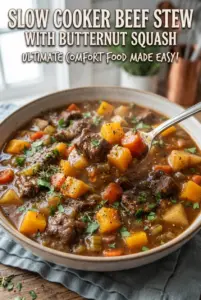
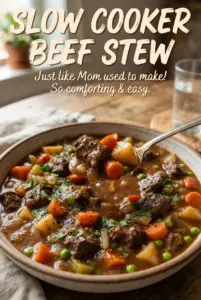
Guinness beef stew lands with that deep, dark, spoon-coating richness that makes you slow down as soon as you sit down with a bowl. The beef turns tender enough to cut with a spoon, the potatoes soak up the stouty broth, and the carrots and parsnips bring just enough sweetness to keep every bite balanced. This is the kind of stew that tastes even better after it settles for a few minutes on the stove.
The trick is building flavor in layers instead of trying to rush the pot. Browning the beef in batches gives you the savory base, and the Guinness does more than add color — it loosens all the caramelized bits from the pan and gives the broth a malty depth that water or extra stock can’t match. A little tomato paste, Worcestershire, and brown sugar round out the bitterness without making the stew taste sweet.
Below, I’ll walk through the parts that matter most: how to get real browning without steaming the meat, why the stout goes in before the broth, and what to do if you want to make this ahead. There’s also a note on swapping the parsnips or adjusting the stew for a longer, slower simmer.
The gravy got glossy and thick, and the beef was fall-apart tender by the end. I added the potatoes in the last hour like you said, and they held their shape instead of turning to mush.
Save this Guinness beef stew for the night you want tender beef, stout-rich gravy, and the kind of potatoes that soak up every drop.
The Secret to Keeping the Stew Rich Instead of Flat
The biggest mistake with beef stew is treating the pot like a soup kettle and skipping the browning. That first sear on the beef builds the deep savory flavor the long simmer can’t create on its own. If the pan looks dry or crowded, the meat will steam and you’ll end up with gray cubes in broth instead of a stew with real backbone.
Guinness helps here because it brings bitterness, toast, and malt, but it needs help from tomato paste and a little brown sugar. Those two ingredients don’t make the stew taste sweet; they just keep the stout from reading sharp or thin after hours of cooking. The broth should taste full and dark before the vegetables even go in.
- Beef chuck — This is the cut that gives you tender, shreddable meat after a long simmer. Leaner beef won’t develop the same soft texture; it usually turns dry before the sauce has time to deepen.
- Guinness stout — This is the signature flavor, so use the real thing if you can. If you swap in another stout, pick one with a similar roasted edge rather than a sweet beer.
- Tomato paste — It adds body and a slow-cooked taste after it gets cooked for a minute with the onions. That little bit of browning matters; raw tomato paste can taste harsh.
- Parsnips — They bring a gentle sweetness that balances the bitterness of the stout. If you don’t have them, add a few extra carrots, but the stew will taste a little less rounded.
What Each Ingredient Is Actually Doing in This Recipe

- Primary ingredient (the star) — Quality matters most. Choose the best you can find.
- Cooking medium (oil, butter, or broth) — This carries flavors and prevents dryness.
- Seasonings (salt, pepper, spices, herbs) — Layer flavors so nothing overpowers. Build depth gradually.
- Aromatics (garlic, onion, herbs) — Cook with fat to bloom flavors. Become the foundation.
- Supporting ingredients — Complement the main ingredient without overpowering it.
- Sauce or liquid (if applicable) — Brings flavors together. Balance richness with acid.
- Acid (lemon, vinegar, wine, or other) — Brightens and prevents flat-tasting results.
- Final finish (garnish, glaze, or sauce) — Prevents one-dimensional taste and adds visual appeal.
How to Build the Pot So the Beer and Beef Work Together
Browning the Beef in Batches
Season the beef first, then toss it with flour so each piece gets a light coating. Brown it in hot oil without crowding the pan. You want a deep brown crust, not just a gray surface, and that only happens when the meat has room and the heat stays high enough. If the pieces start releasing a lot of liquid, stop and let the pan recover before adding more.
Cooking Down the Onions and Tomato Paste
Once the beef comes out, the onions go into the same pot to soften and pick up the fond left behind. After about 5 minutes, stir in the garlic and tomato paste and cook just until the paste darkens a shade and smells sweeter. If you skip this step or rush it, the stew can taste one-note instead of layered.
Letting the Guinness De-glaze the Pan
Pour in the stout and scrape the bottom of the pot well. The beer should lift every browned bit into the liquid, and the mixture will smell sharp at first before it settles down. Add the broth, Worcestershire, brown sugar, thyme, and bay leaves right after that so the base tastes balanced before the long simmer begins.
Finishing With the Vegetables at the Right Time
The beef needs the full first stretch of simmering before the carrots, parsnips, and potatoes go in. If you add the vegetables too early, the potatoes break apart and the carrots go soft long before the beef is done. After they go in, keep the simmer gentle and cook until the potatoes are tender at the center and the broth has thickened slightly around them.
What to Change When You Want a Different Bowl of Stew
Skip the Parsnips and Go All-Carrot
If parsnips aren’t your thing, replace them with more carrots. The stew will still be hearty, but you’ll lose some of that earthy sweetness that balances the stout. The finished bowl will taste a little brighter and less complex.
Make It Gluten-Free
Use a gluten-free flour blend for the coating and check that your Worcestershire sauce and stout are gluten-free. The texture stays close to the original because the flour here is mostly helping the beef brown and lightly thickening the broth.
Turn It Into a Slow Cooker Stew
Brown the beef, cook the onions and tomato paste, and deglaze with the Guinness on the stove first. Then transfer everything except the potatoes, carrots, and parsnips to the slow cooker and cook on low until the beef is nearly tender before adding the vegetables. That keeps the stew from tasting flat and prevents the vegetables from going mushy.
Storage and Reheating
- Refrigerator: Keep covered for up to 4 days. The flavor deepens overnight, and the broth thickens as it chills.
- Freezer: It freezes well for up to 3 months. Cool it completely first and leave a little headspace in the container because the broth expands.
- Reheating: Warm it gently on the stove over low to medium-low heat until hot throughout. Don’t boil it hard or the potatoes can break apart and the beef can tighten up.
Answers to the Questions Worth Asking
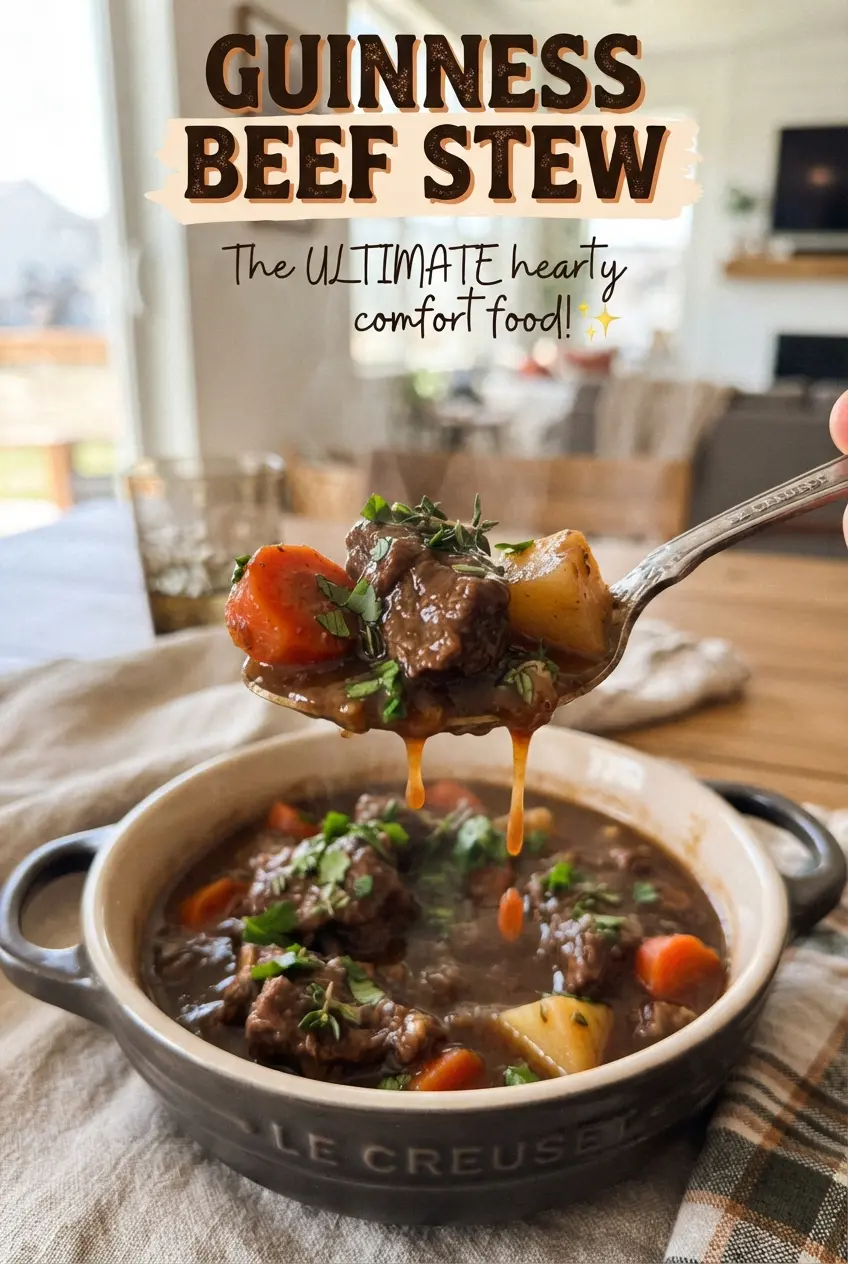
Guinness Beef Stew
Ingredients
Equipment
Method
- Season the beef chuck cubes with salt and black pepper, then toss with all-purpose flour to coat evenly.
- Heat vegetable oil in a Dutch oven over high heat, then brown the beef in batches until deep golden on the outside, moving pieces to prevent steaming.
- Reduce heat to medium and cook the onions for 5 minutes, stirring, until softened.
- Add the minced garlic and tomato paste and cook for 1 minute, stirring until fragrant and darkened at the edges.
- Pour in the Guinness stout and scrape the bottom of the Dutch oven to release browned bits.
- Stir in beef broth, Worcestershire sauce, brown sugar, dried thyme, and bay leaves.
- Return the browned beef to the pot, cover, and simmer gently for 2 hours, keeping the liquid at a steady low bubbling.
- Add the sliced carrots, sliced parsnips, and cubed potatoes, then stir to submerge them in the broth.
- Simmer 45-60 minutes until the carrots and potatoes are tender when pierced with a fork.
- Remove the bay leaves and sprinkle fresh parsley over the stew before serving.