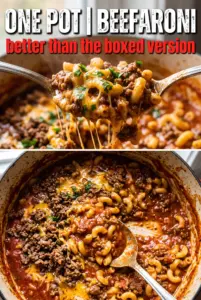
Cold pasta salad lives or dies by how well it holds onto the dressing, and this version gets that part right. The rotini catches the Italian dressing in every curve, the vegetables stay crisp, and the whole bowl tastes brighter after a good chill instead of watery or flat. It’s the kind of side dish that disappears fast because it’s familiar, but still has enough flavor to stand on its own.
The trick is rinsing the pasta cold so it stops cooking and cools down fast enough to absorb the dressing without turning soft. Bottled Italian dressing does the heavy lifting here, which keeps this recipe quick, but the Parmesan and extra Italian seasoning give it a little more depth than a plain dump-and-stir salad. You don’t need fancy ingredients; you just need the right balance of pasta, crunch, acid, and salt.
Below, I’ll show you how to keep the pasta from getting mushy, when to add extra dressing, and which swaps still keep the salad sturdy enough for a picnic or make-ahead lunch.
I chilled it for two hours like you said, and the dressing soaked right into the rotini without making it soggy. The cucumbers stayed crisp and the Parmesan gave it just enough extra salt.
Save this pasta salad with Italian dressing for potlucks, picnics, and easy make-ahead sides with crisp vegetables.
The Step That Keeps Pasta Salad From Going Soft
The biggest mistake with pasta salad is treating the pasta like it’s finished the second it drains. It isn’t. If you skip the cold rinse, the noodles keep cooking from trapped heat, and by the time the salad chills, the rotini goes gummy and the dressing slides right off instead of clinging to the surface. Rinsing also drops the temperature fast, which matters because warm pasta melts through the dressing and dulls the flavor.
Rotini earns its place here because the spirals catch the Italian dressing and hold the bits of onion, herbs, and Parmesan. Short pasta shapes with ridges or curves work best. Long noodles don’t give you the same bite, and smooth shapes don’t hold the dressing nearly as well.
- Cool the pasta completely. Warm pasta dilutes the dressing and softens the vegetables. Rinse it well, then let it sit in the colander for a few minutes so the water stops dripping into the bowl.
- Chill long enough for the flavor to settle. Two hours gives the pasta time to absorb the dressing. Right after mixing, it tastes thin and sharp; after chilling, the seasoning tastes rounded and balanced.
- Add more dressing only after chilling. Pasta keeps drinking up dressing as it rests. If the salad looks a little dry before serving, a splash more Italian dressing fixes it fast.
What Each Ingredient Is Actually Doing in This Salad
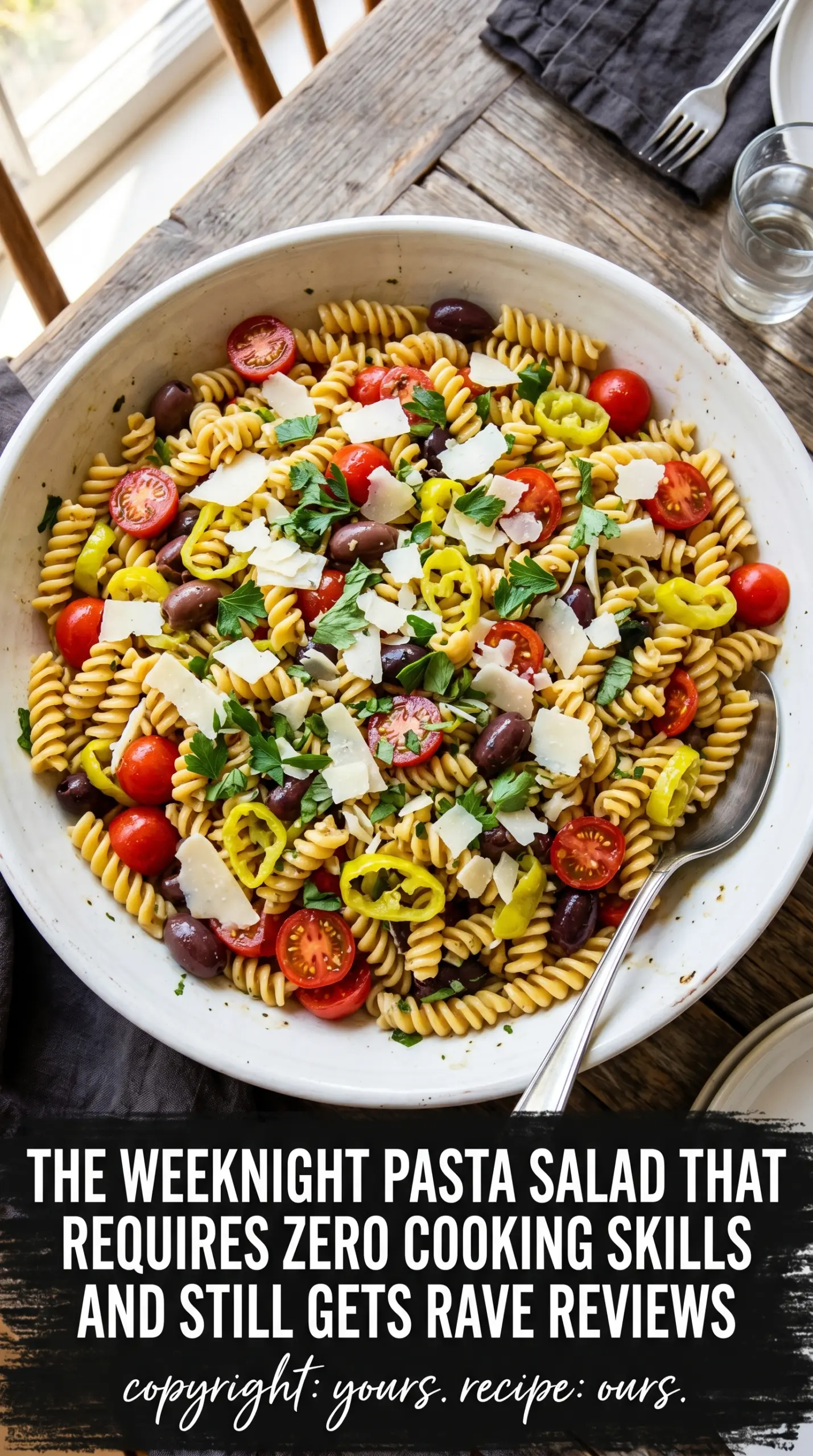
- Italian dressing — This is the backbone of the salad, bringing acid, oil, salt, and herbs in one step. A bottled version keeps the recipe fast, and a good one with plenty of seasoning saves you from building a dressing from scratch.
- Rotini pasta — The shape matters here. Rotini holds dressing in the spirals, which gives you better flavor in every bite than a smoother noodle would.
- Cucumber, bell pepper, and red onion — These add crunch and freshness so the salad doesn’t eat like plain dressed pasta. Dice them small enough to distribute through the bowl without overpowering each forkful.
- Cherry tomatoes — They bring sweetness and juicy acidity, but halve them so they release some flavor without flooding the salad. If you use larger tomatoes, seed them a bit so the bowl doesn’t get watery.
- Black olives and Parmesan — The olives add briny depth, and the Parmesan gives the dressing a salty edge that bottled dressing alone usually lacks. Grated Parmesan blends in better than shredded because it coats the pasta more evenly.
- Italian seasoning — This reinforces the herb notes already in the dressing. It matters most if your bottled dressing tastes a little flat or overly tangy.
Building the Salad So It Stays Crisp and Well Seasoned
Cooking the Pasta Past Al Dente by a Hair
Cook the rotini until it’s just tender with a little bite left, then drain it right away. Pasta salad tastes best when the noodles hold their shape after chilling, and overcooked pasta turns soft fast once the dressing goes in. Rinsing with cold water stops the cooking and knocks off surface starch, which keeps the dressing from turning sticky.
Mixing in the Vegetables Before the Dressing
Combine the pasta with the tomatoes, cucumber, bell pepper, red onion, and olives before adding the dressing. That gives you a better sense of how the vegetables are distributed, and it helps the dressing coat everything evenly instead of pooling at the bottom. If the onion tastes too sharp, dice it finer so it blends into the salad instead of taking over.
Letting the Dressing Soak In
Add the Italian dressing, Parmesan, and Italian seasoning, then toss until every spiral looks glossy. The salad needs that resting time in the fridge because the pasta absorbs flavor as it chills. If it looks a little dry after resting, stir in a few more spoonfuls of dressing rather than adding water or oil, which only weakens the seasoning.
Finishing Before Serving
Toss the salad again right before serving. The dressing settles, and some liquid sinks to the bottom while the top can look underdressed. A final toss brings everything back together and lets you check whether it needs another small splash of dressing or a pinch more Parmesan.
How to Adapt This Pasta Salad for Different Tables
Gluten-Free Version
Use a sturdy gluten-free rotini that holds its shape after chilling. Cook it just until tender, then rinse well and toss with the dressing while it’s still slightly warm so it absorbs flavor instead of tasting separate from the rest of the salad.
Dairy-Free Version
Skip the Parmesan and add a little extra salt or a spoonful of nutritional yeast if you want a savory edge. The salad still works because the dressing and vegetables carry most of the flavor, but you lose the salty finish Parmesan brings.
Add Protein for a Main Dish
Toss in diced salami, grilled chicken, or chickpeas if you want this to eat like lunch instead of a side. Keep the pieces small so they mix evenly through the pasta and still pick up the dressing.
Storage and Reheating
- Refrigerator: Store covered for up to 4 days. The vegetables will soften a little, but the flavor gets better by day two.
- Freezer: Don’t freeze this one. The pasta turns mushy and the fresh vegetables lose their texture after thawing.
- Reheating: Serve it cold or at room temperature. If it’s been in the fridge overnight, let it sit out for 15 to 20 minutes and toss with a spoonful of dressing before serving so the pasta doesn’t taste dry.
Answers to the Questions Worth Asking
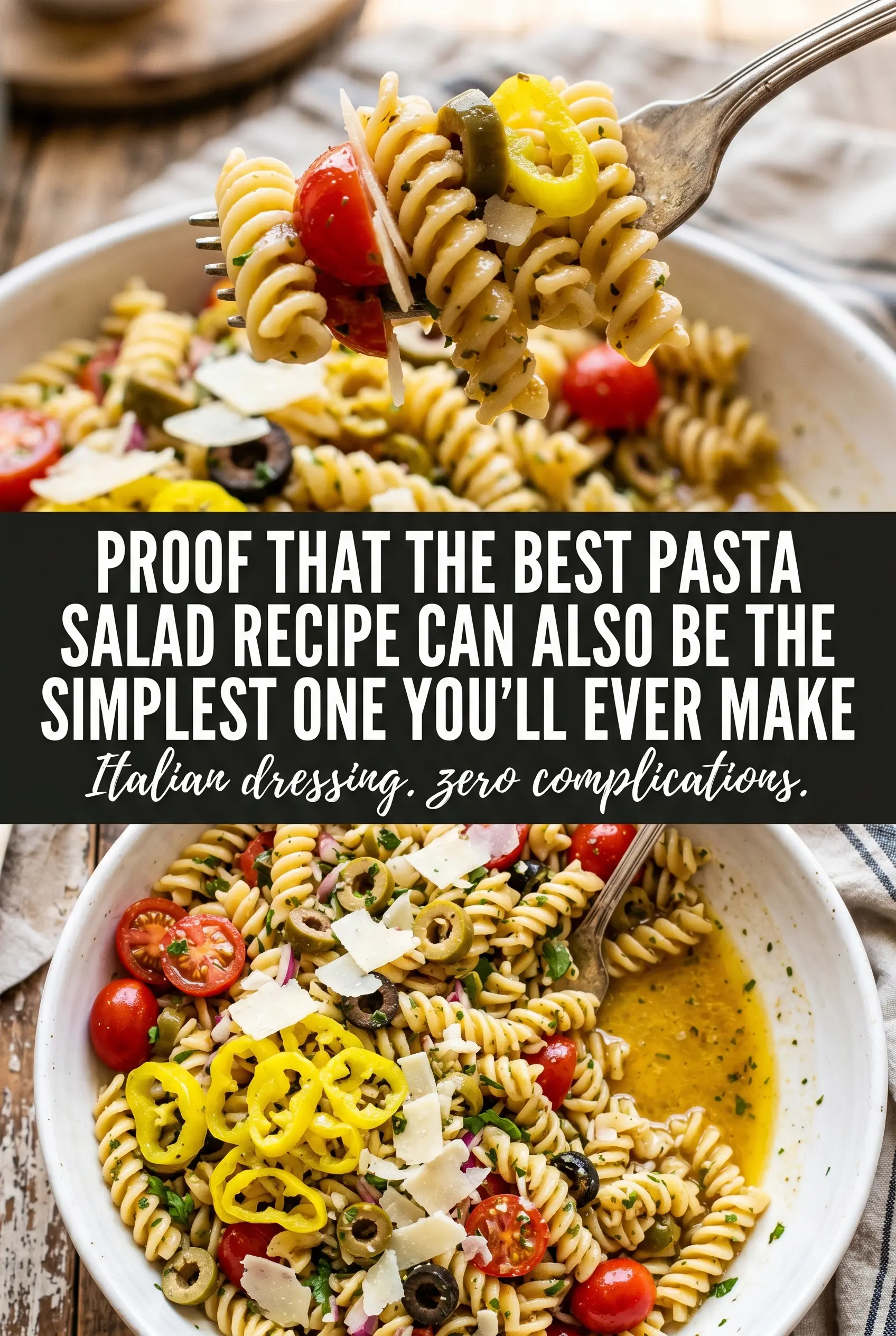
Pasta Salad With Italian Dressing
Ingredients
Equipment
Method
- Cook rotini pasta according to package directions until al dente, then drain and rinse with cold water to stop the cooking.
- Spread the rinsed pasta on a sheet pan in an even layer to cool quickly, about 5 minutes.
- Combine pasta with cherry tomatoes, cucumber, green bell pepper, red onion, and black olives in a large bowl.
- Add Italian dressing, Parmesan cheese, and Italian seasoning, then toss until every piece of pasta is coated.
- Cover and refrigerate for at least 2 hours to allow flavors to develop.
- Toss again before serving and add more Italian dressing if needed for the desired coating.