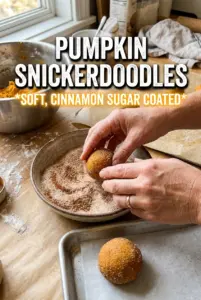
Soft pumpkin cookies can go cakey fast, but these stay tender with crisp edges and a finish that tastes like maple candy and toasted pecans. The glaze melts into the tops just enough to settle in the cracks, and a pinch of flaky salt keeps every bite from leaning too sweet.
The trick is keeping the pumpkin in check. Blotting the puree removes the extra water that usually turns pumpkin cookies fluffy instead of chewy, and using just the egg yolk adds richness without giving the dough too much lift. Toasted pecans matter here, too, because they bring a deeper, warmer flavor than raw nuts ever will.
Below, I’ve included the small details that make these cookies bake up evenly, plus a few swaps if you need to work with what’s already in your pantry.
I was worried the pumpkin would make these puffy, but blotting it really worked. The cookies baked up soft in the middle with those slightly crisp edges, and the maple glaze set beautifully instead of sliding off.
Love the soft centers, maple glaze, and toasted pecans? Save these Maple Pecan Pumpkin Cookies for the next time you want a bakery-style cookie with real autumn flavor.
The Pumpkin That Makes Cookies Soft Instead of Puffy
Pumpkin cookies usually run into the same problem: too much moisture, too much lift, and a texture that lands somewhere between muffin top and cake. The fix here is simple but important. Blotting the pumpkin puree takes out the water that softens the dough too much, and the egg yolk adds richness without the extra structure that a whole egg would bring.
The other detail that matters is the ratio of sugar to fat. Brown sugar and maple syrup keep the centers tender and give the cookies that deep caramel edge, but the dough still needs enough flour to hold its shape in the oven. If the dough looks a little softer than a classic drop cookie, that’s normal. It should scoop cleanly and hold a mound on the tray, not slump flat.
- Blotted pumpkin puree — This is the difference between a soft cookie and a cakey one. Spread the puree on a paper towel and press gently before measuring.
- Maple syrup — It brings flavor and moisture, but it also makes the dough looser than plain brown sugar alone. That’s why the pumpkin has to be dried first.
- Toasted pecans — Raw pecans taste flat here. Toasting wakes up the oils and gives the cookies a better crunch against the soft center.
- Maple extract — A little goes a long way. It sharpens the maple flavor in the glaze and dough without making the cookies taste artificial.
What Each Ingredient Is Actually Doing in These Cookies
- All-purpose flour — This gives the cookies enough backbone to stay thick and chewy. If you swap in a lower-protein flour, the texture gets more fragile.
- Baking soda — It helps the cookies spread just enough and encourages browning. Don’t increase it, or the cookies can taste metallic and puff too much.
- Butter and brown sugar — This is the base of the cookie’s chew. Softened butter creams best; melted butter makes the dough greasy and flatter.
- Pumpkin pie spice and cinnamon — The spice blend gives warmth, while extra cinnamon keeps the flavor from fading under the maple and pecans.
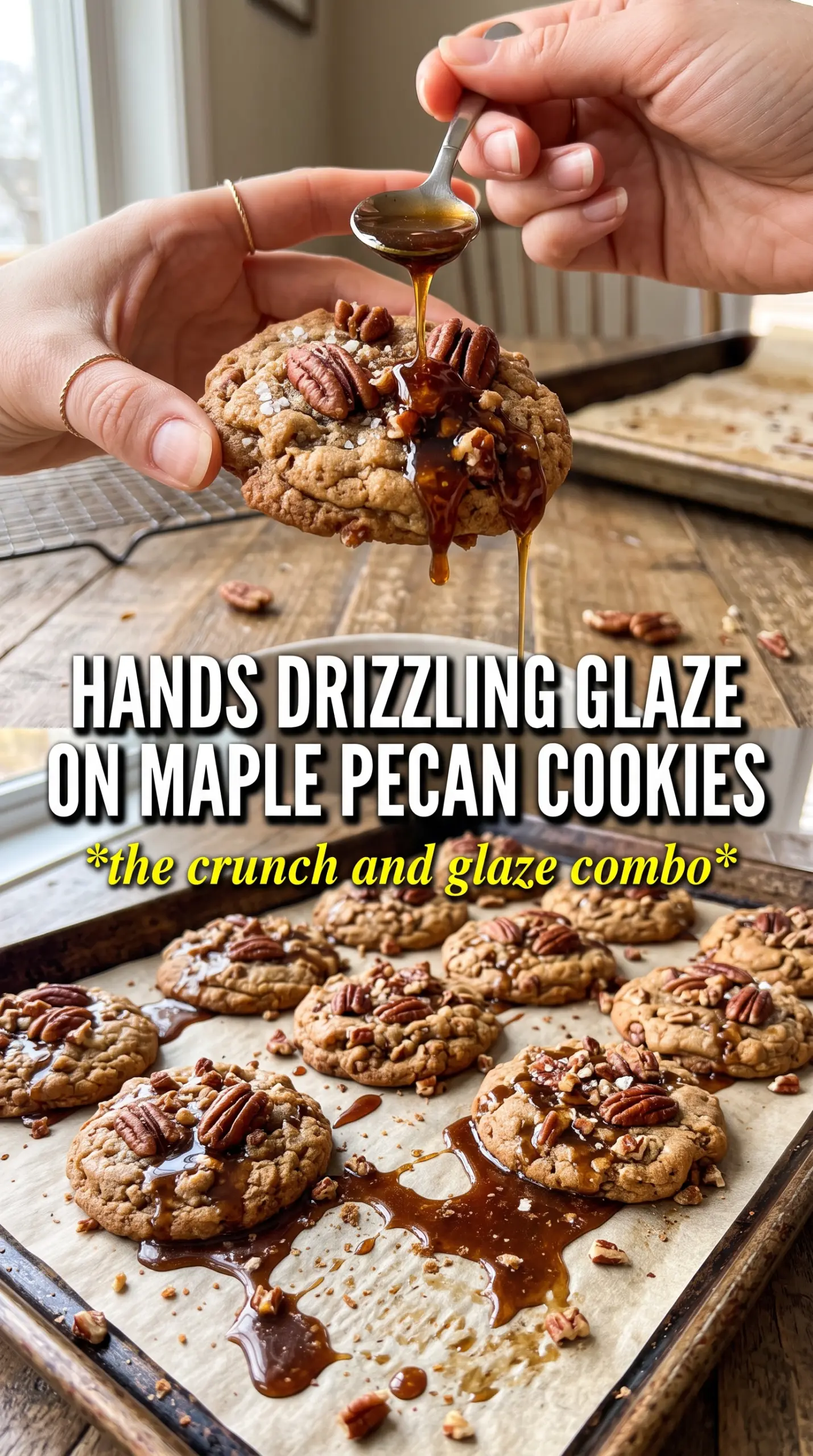
- Powdered sugar glaze — It sets into a thin finish that clings to the tops instead of running off. Milk loosens it just enough; add it a teaspoon at a time if yours seems too thick.
Keeping the Centers Soft Without Letting the Cookies Spread
Creaming the Base Until It Looks Fluffy
Beat the butter, brown sugar, and maple syrup until the mixture looks lighter and a little fluffy, not glossy and greasy. That step traps air, which gives the cookies some lift without making them cakey. If the butter is too cold, the mixture stays streaky; if it’s too warm, the cookies will spread before the structure sets. Stop as soon as the sugar looks fully worked in and the mixture holds soft ridges.
Adding the Pumpkin Without Turning the Dough Loose
Stir in the blotted pumpkin, egg yolk, vanilla, and maple extract just until combined. The dough may look slightly soft at this point, but it should still mound on a spoon. If the pumpkin wasn’t dried enough, the dough will look shiny and slack, and the cookies will bake up puffier than you want. That’s the moment to pause and blot the pumpkin a little more before moving on.
Folding in the Dry Ingredients and Pecans
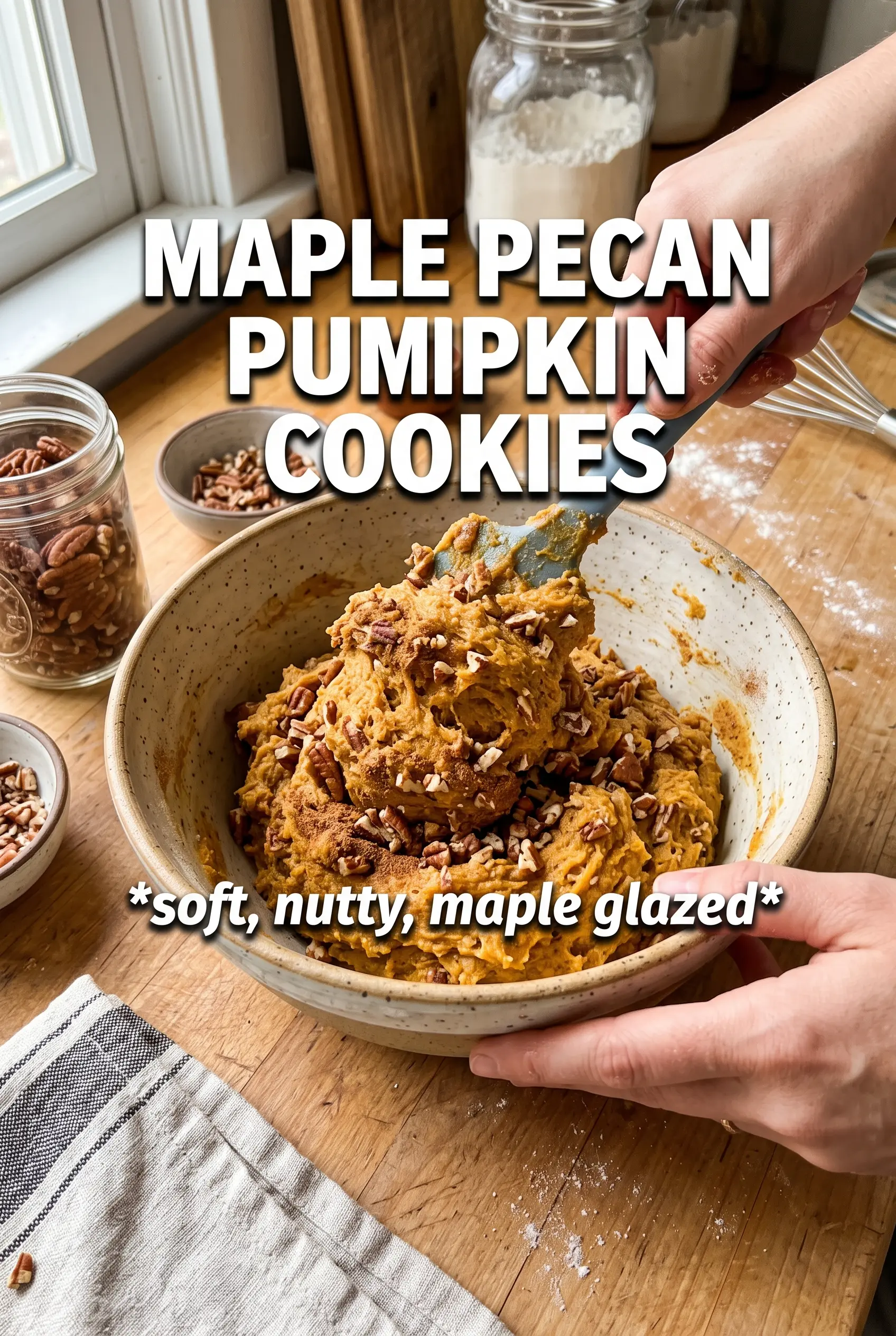
Add the flour, baking soda, spices, and salt, then fold until no dry streaks remain. Overmixing here makes the cookies tough, especially once the flour starts to hydrate. Fold in the toasted pecans at the end so they stay intact and evenly scattered. The dough should be thick enough to scoop without sliding off the spoon.
Baking Until the Edges Set
Scoop 1-1/2 tablespoon rounds onto the lined baking sheets and bake at 375°F for 10 to 12 minutes. Pull them when the edges are set and lightly golden but the centers still look a little soft. They finish on the hot pan, so waiting for a fully dry center means overbaked cookies. Let them cool before glazing, or the glaze will melt straight off and pool underneath.
Finishing With Maple Glaze and Salt
Stir the glaze until it drips in a thick ribbon from the spoon, then drizzle it over cooled cookies. If it’s too thick, it won’t spread; if it’s too thin, it disappears into the cookie. Finish with flaky sea salt while the glaze is still tacky so it sticks. That last pinch keeps the sweetness in balance and gives each bite a clean finish.
Three Ways to Adjust These for Different Kitchens
Make Them Dairy-Free
Swap the butter for a plant-based stick butter that’s meant for baking. The cookies will still hold their shape, though the flavor will be a touch less rich and the edges may brown a little faster, so watch the last minute of baking closely.
Skip the Pecans for a Nut-Free Batch
Leave out the pecans and add a little extra cookie dough to each scoop if you want the same bakery-style look. You’ll lose the toasted crunch, but the pumpkin-maple flavor stands on its own, and the glaze still gives the cookies plenty of character.
Make the Glaze Thicker or Thinner
For a thicker drizzle, use less milk and whisk until the glaze falls in slow ribbons. For a thinner finish that soaks in a little more, add a splash more milk. The texture changes the look more than the taste, but it does change how the glaze sets on the cookie.
Storage and Reheating
- Refrigerator: Store in an airtight container for up to 4 days. The glaze stays set, but the cookies soften a bit after the first day.
- Freezer: Freeze the baked cookies without glaze for up to 2 months, then thaw and glaze after defrosting. Glazed cookies can freeze, but the topping may look dull after thawing.
- Reheating: Warm unglazed cookies for 5 to 8 seconds in the microwave if you want them softer. Don’t overheat them, or the centers dry out before the pecans taste fresh again.
Answers to the Questions Worth Asking
Maple Pecan Pumpkin Cookies
Ingredients
Equipment
Method
- Preheat oven to 375F and line baking sheets with parchment or silicone mats.
- Blot pumpkin dry, then beat butter, brown sugar, and pure maple syrup until smooth.
- Add blotted pumpkin, egg yolk, vanilla, and maple extract; mix until combined.
- Add dry ingredients (flour, baking soda, pumpkin pie spice, cinnamon, and salt) and mix just until no dry streaks remain.
- Fold in toasted pecans.
- Scoop 1-1/2 tablespoon rounds and space them on the lined baking sheets.
- Bake at 375F for 10-12 minutes, until edges look set and lightly golden.
- Cool cookies, then drizzle with maple glaze made from powdered sugar, maple syrup, and milk and sprinkle flaky sea salt on top.