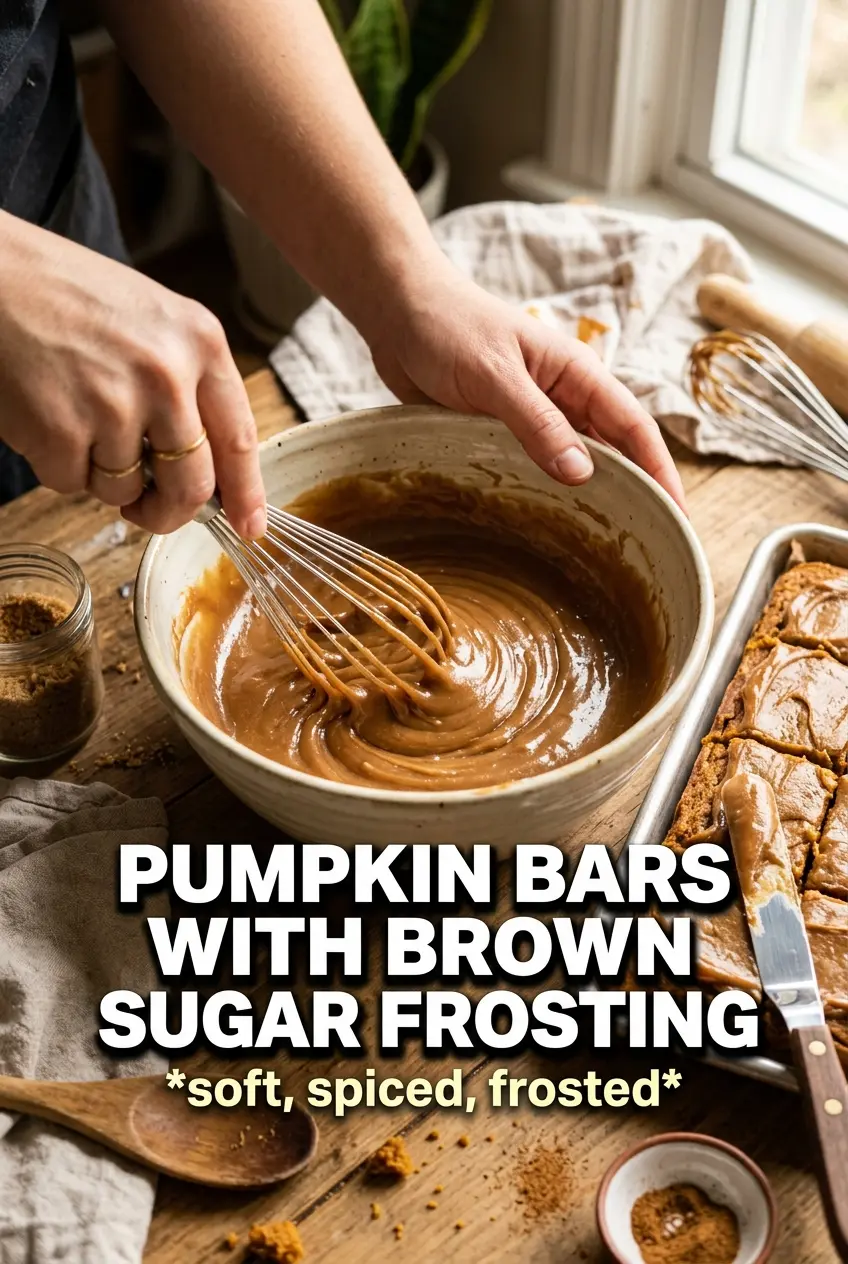
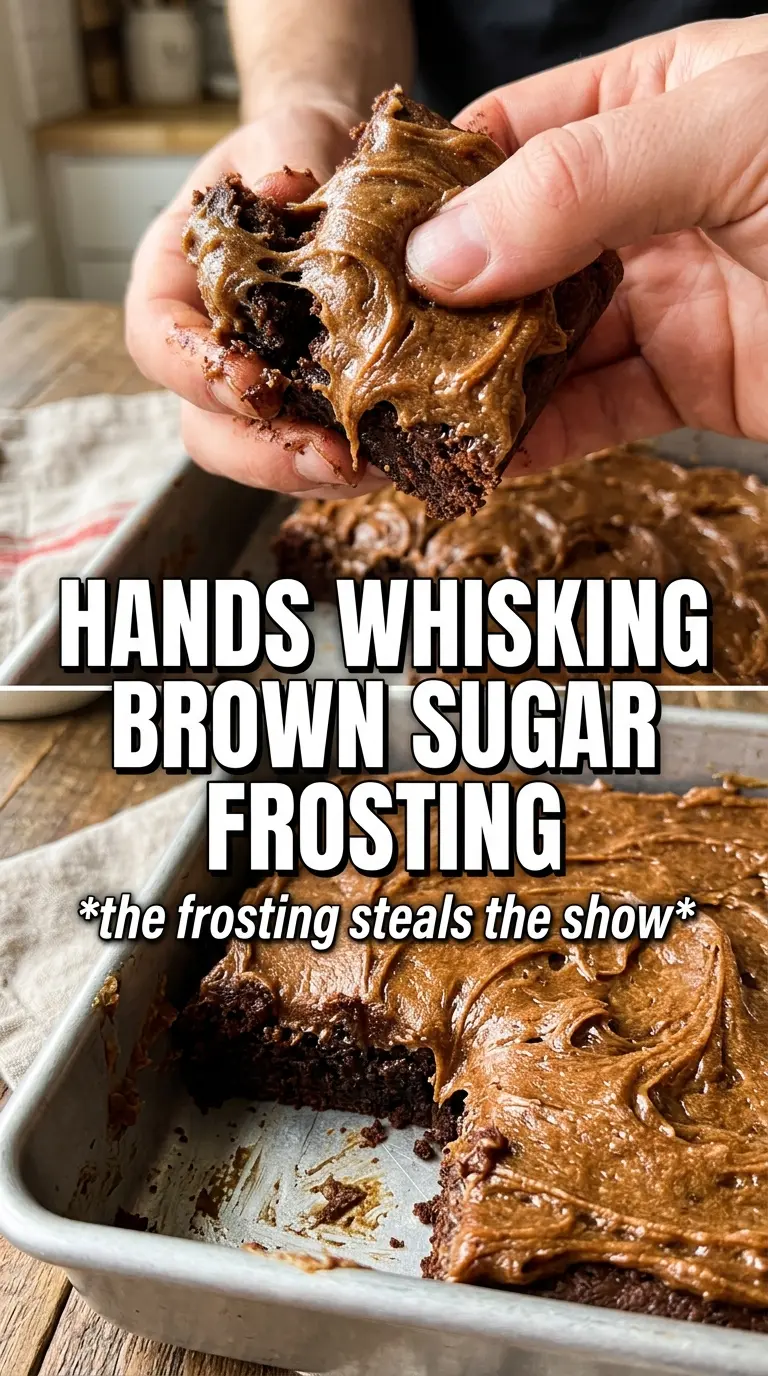
Soft pumpkin bars with brown sugar frosting have that old-school bakery feel: tender, warmly spiced, and topped with a caramel-like layer that sets up just enough to slice cleanly. The bars stay moist for days, and the frosting brings a deeper, almost toffee note that keeps this dessert from tasting flat or overly sweet.
What makes this version work is the balance. Pumpkin keeps the crumb plush, but the batter still has enough structure from the eggs and flour to hold up under a generous frosting. The brown sugar frosting cooks briefly before the sugar goes in, which gives it that cooked-caramel taste without turning sticky or grainy. Once it’s beaten smooth, you want to spread it right away because it starts to firm as it cools.
Below, I’ve added the small details that matter most: how to keep the bars from baking up gummy in the center, when the frosting is at the right stage, and a few smart swaps if you need to adapt the recipe.
The bars baked up really moist and the frosting set just enough that I could cut neat squares the next day. That brown sugar flavor makes them taste like a cross between pumpkin cake and a caramel candy bar.
Save these pumpkin bars with brown sugar frosting for the dessert table when you want something sliceable, warmly spiced, and finished with that caramel-like frosting.
The Part That Keeps Pumpkin Bars Tender Instead of Dense
These bars are at their best when the batter stays light enough to bake into a soft crumb, not a heavy pumpkin cake. The biggest mistake is overmixing after the dry ingredients go in. Once the flour is hydrated, stop stirring and get it into the pan. That keeps the bars from turning tight or rubbery.
The other place people run into trouble is baking past the point of set. Pumpkin bars should spring back when touched in the center, but they don’t need to look dry on top. A few moist crumbs on a tester are fine. Overbaking steals the tenderness that makes this recipe worth making.
- Pumpkin puree — Use plain canned pumpkin, not pumpkin pie filling. Pie filling already has sugar and spices mixed in, which throws off both the texture and the balance.
- Oil — This is what keeps the crumb soft after chilling. Butter gives flavor, but oil gives these bars that moist, stay-soft texture.
- Eggs — Four eggs sound like a lot, but they give the bars structure so the thick batter bakes up evenly in a sheet pan.
- Pumpkin pie spice and cinnamon — The spice blend gives depth while the extra cinnamon keeps the pumpkin flavor from tasting flat. If you don’t have pumpkin pie spice, use extra cinnamon plus a little nutmeg and ginger.
What the Brown Sugar Frosting Is Doing Here
The frosting is more than a sweet topping. Cooking the butter and brown sugar together first pulls out a caramel note that plain powdered-sugar frosting can’t match. When the cream goes in, the mixture loosens enough to beat smooth, then firms as it cools so it can be spread thick without sliding off the bars.
Brown sugar matters here. White sugar won’t give the same depth or the same soft set. Heavy cream also matters because it brings richness without thinning the frosting too much. If you only have milk, use less than the recipe calls for or the frosting can end up too loose to hold its shape.
- Brown sugar — Packed brown sugar gives the frosting its molasses depth. Light brown sugar works fine; dark brown sugar makes it a little deeper and richer.
- Heavy cream — This helps the frosting beat into a spreadable texture. Milk can work in a pinch, but the frosting will be thinner and may not set as firmly.
- Powdered sugar — This thickens the frosting after the brown sugar base cools. Add it gradually so you can stop at a fluffy, spreadable texture instead of a stiff paste.
- Salt and cinnamon — Both sharpen the sweetness. A pinch of salt keeps the frosting from tasting one-note, and the cinnamon ties it back to the bars.
Building the Bars and Frosting Without Rushing Either One
Mixing the Pumpkin Batter
Whisk the dry ingredients first so the baking powder, baking soda, and spices are evenly distributed. In a separate bowl, beat the eggs, sugar, oil, pumpkin, and vanilla until smooth and glossy. Fold the dry into the wet just until no flour streaks remain. If you keep mixing after that point, the bars lose their soft, tender crumb.
Baking to the Right Set
Spread the batter evenly in a greased 15×10 pan and bake at 350°F until the center springs back and the top looks set. Start checking early, because sheet-pan bars can go from perfect to dry fast. The middle should not wobble like raw batter, but it should still feel soft under a light touch.
Cooking the Frosting Base
Melt the butter and brown sugar together over medium heat and cook for about two minutes, stirring as it bubbles. The mixture should look smooth and slightly thickened, not separated or greasy. Add the cream and bring it back just to a boil, then pull it off the heat. If you boil it hard for too long, the frosting can turn grainy instead of silky.
Finishing and Spreading
Let the frosting cool for about 15 minutes before beating in the powdered sugar, vanilla, cinnamon, and salt. It should turn fluffy and spreadable, not runny. Spread it over the cooled bars right away, because it firms up as it sits. If the bars are still warm, the frosting will melt and slide.
Make Them a Little More Spiced
Add an extra 1/4 teaspoon of cinnamon or a pinch of cloves if you want a warmer, more old-fashioned pumpkin bar. The frosting can handle it. Just don’t overdo the cloves, or they take over the whole pan.
Gluten-Free Version
Use a cup-for-cup gluten-free flour blend that contains xanthan gum. The bars will still be tender, but they may need a few extra minutes in the oven. Let them cool completely before frosting so the crumb has time to set.
Dairy-Free Frosting
Swap the butter for a plant-based butter that melts and browns well, then use full-fat canned coconut milk instead of cream. The frosting will taste a little different, but it still sets up nicely and keeps that caramel-like finish.
Storage and Reheating
- Refrigerator: Store covered for up to 5 days. The frosting firms up and the bars slice even cleaner after chilling.
- Freezer: These freeze well. Chill until the frosting is set, cut into bars, and freeze in a single layer before transferring to a sealed container.
- Reheating: You don’t need to reheat these, but if you want a softer texture, let a bar sit at room temperature for 20 to 30 minutes. Microwaving can melt the frosting and make the top greasy.