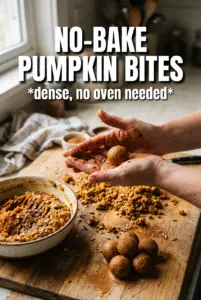
Pumpkin ravioli with garlic brown butter lands on the plate with the kind of contrast that keeps people coming back for seconds: soft pasta, a silky pumpkin-ricotta center, and a pan sauce that tastes nutty, savory, and a little sweet at the edges. The brown butter clings to every pillow of ravioli, while crisp sage and toasted pine nuts give each bite some crunch and a sharp, toasty finish.
What makes this version work is balance. The pumpkin puree gets blotted dry so the filling stays thick instead of leaking into the wrappers, and the butter cooks just long enough to turn amber without going from nutty to burnt. Garlic goes in after the butter starts browning, not before, so it perfumes the sauce instead of burning in the pan.
Below you’ll find the easiest way to seal the ravioli cleanly, the visual cue for perfect brown butter, and a few smart swaps if you’re using store-bought pumpkin ravioli instead of making the filling yourself.
The filling stayed tucked inside the wrappers and the brown butter turned out perfectly nutty. I added the sage for the last minute like you said, and it crisped up without going bitter.
Save this pumpkin ravioli with garlic brown butter for the night you want a fast pasta dinner that still tastes special.
The Fastest Way to Keep the Filling from Turning Watery
Pumpkin filling fails for one main reason: too much moisture. Pumpkin puree looks thick in the bowl, but it can loosen fast once it hits heat, especially if it’s paired with ricotta. Blotting the puree first changes the texture of the filling in a way no seasoning can fix later. You want it spoonable and firm, not loose enough to seep out as soon as the ravioli hits the water.
The other detail that matters is how you seal the wrappers. Wonton wrappers are thin, which is great here, but they need a clean edge and no trapped air. If there’s a pocket of air inside, the ravioli can burst while boiling. Press from the filling outward and seal each one tightly, then keep the finished ravioli under a barely damp towel so the edges don’t dry out before cooking.
- Keep the pumpkin dry enough that it mounds on the spoon instead of sliding.
- Use white pepper if you have it. It blends into the filling without leaving black specks.
- Don’t overfill the wrappers. A teaspoon is enough for a neat, sealed ravioli.
- Work in batches so the wrappers stay pliable while you assemble.
What Each Ingredient Is Actually Doing in This Dish
- Pumpkin puree — This brings the sweet, earthy base, but it has to be blotted dry first or the filling turns loose. Canned puree works fine here; just skip pumpkin pie filling, which is already seasoned and sweetened.
- Ricotta — Ricotta gives the filling body and a creamy finish. Whole-milk ricotta is best because low-fat versions can taste grainy and release more moisture.
- Parmesan — Inside the filling, parmesan adds salt and sharpness. Freshly grated is worth it because pre-grated cheese often has anti-caking agents that dull the texture.
- Wonton wrappers — These are the shortcut that make homemade ravioli realistic on a weeknight. They cook quickly and seal well, but they need to be handled with a light touch so they don’t tear.
- Butter, garlic, and sage — This is the sauce, and each part matters. The butter becomes nutty, the garlic perfumes it, and the sage crisps as it fries, giving you both aroma and texture in one skillet.
- Toasted pine nuts — Pine nuts add a buttery crunch that fits the sauce instead of fighting it. Toast them gently so they deepen in flavor without turning bitter.
Building the Brown Butter Without Burning the Garlic
Mixing the filling until it holds its shape
Stir the blotted pumpkin, ricotta, parmesan, nutmeg, cinnamon, salt, and white pepper until the mixture looks smooth and thick. It should hold a soft peak on a spoon. If it seems runny, chill it for 10 minutes before assembling; cold filling is easier to portion and seals more cleanly.
Sealing each ravioli with a tight edge
Place a teaspoon of filling in the center of each wrapper, then brush the edges with water and fold to seal. Press out any air before pinching the edges shut, because air expands in the boiling water and can split the seam. Keep the finished ravioli covered so the wrappers don’t dry before they hit the pot.
Cooking just until they float and set
Drop the ravioli into well-salted boiling water and cook until they float, then give them another minute or so. They should be tender, not falling apart. If the water is only simmering, the wrappers can get gummy before the filling heats through, so keep the boil steady.
Letting the butter turn amber before the garlic goes in
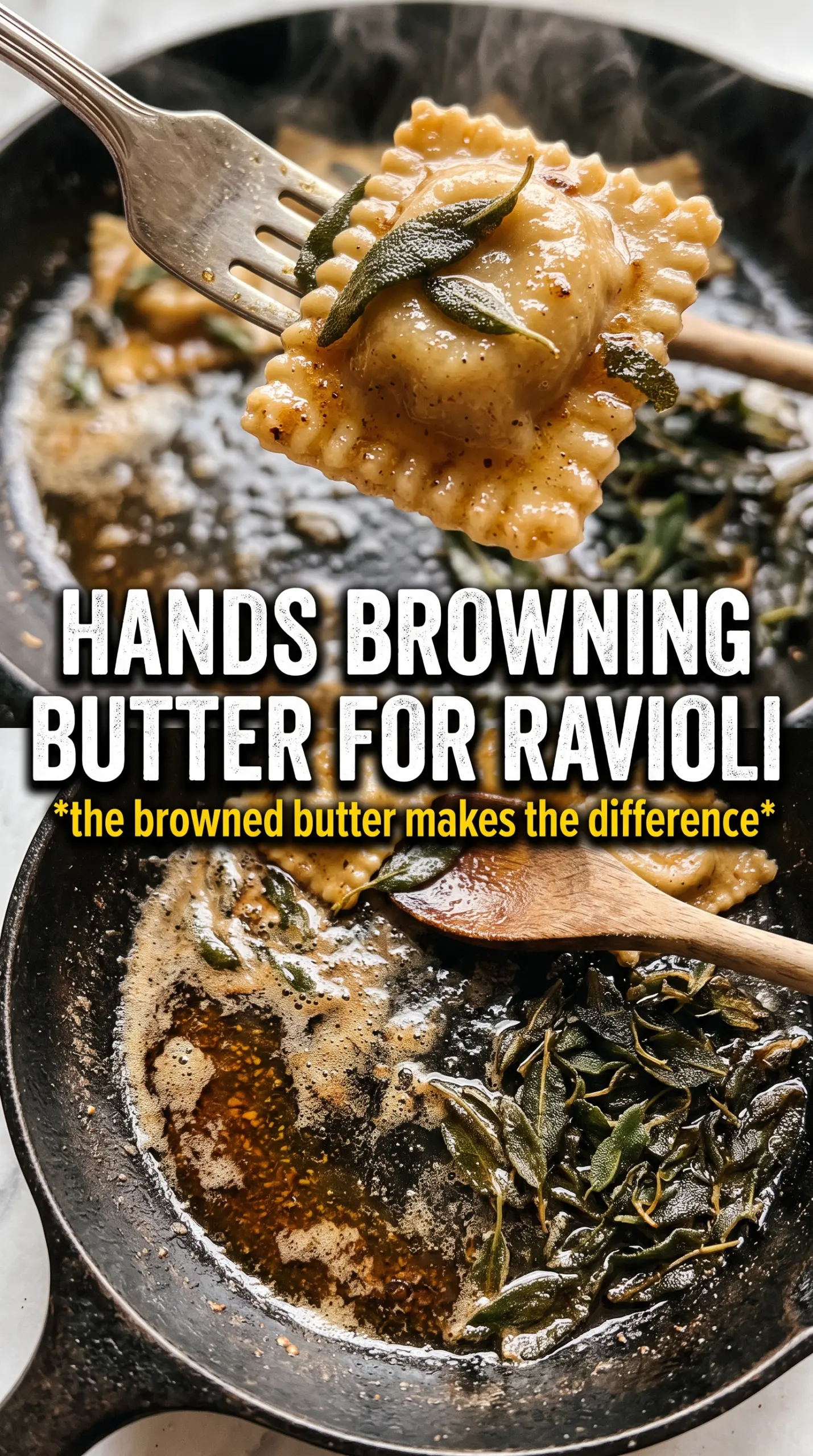
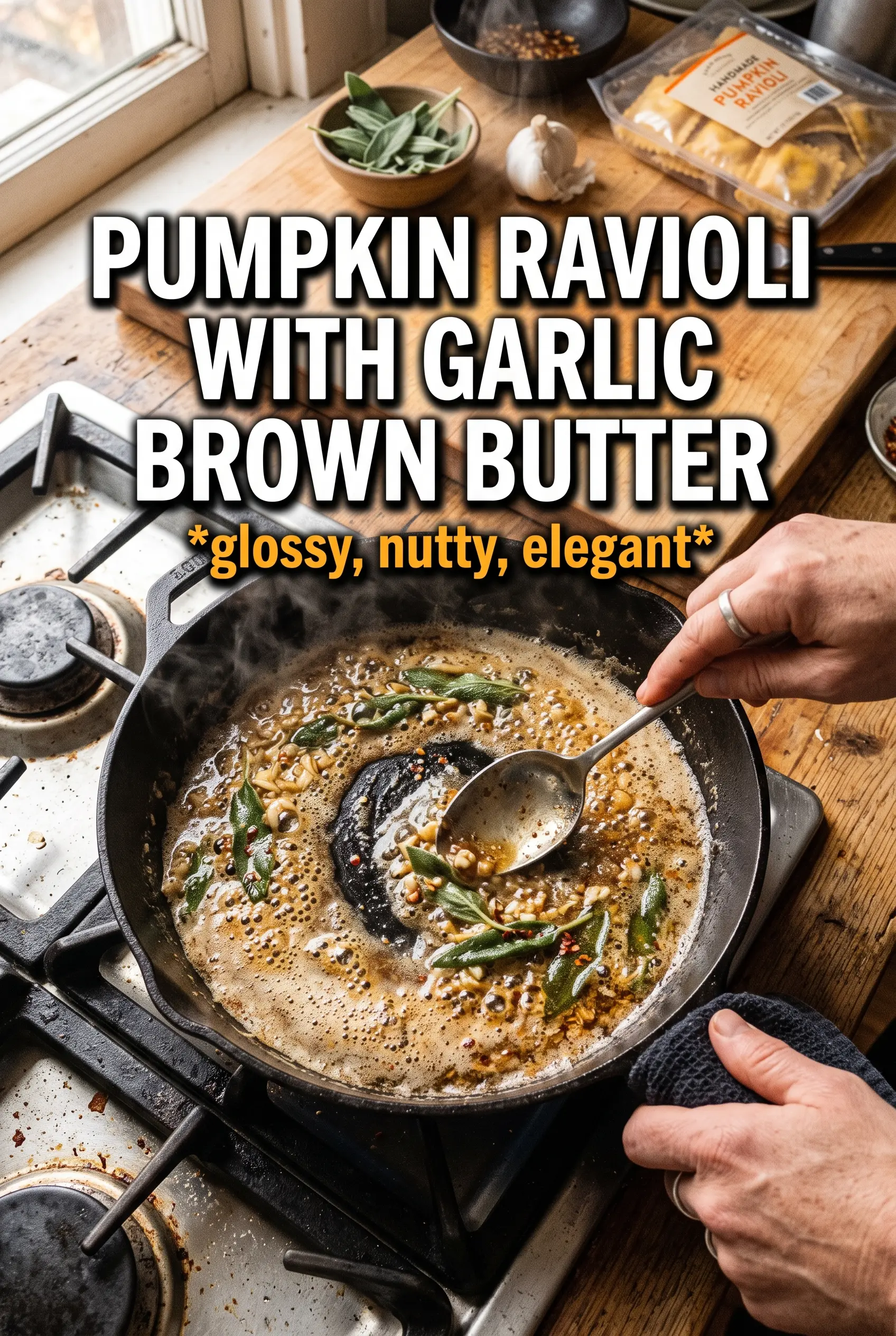
Melt the butter in a large skillet and watch for the foam to subside and the milk solids to turn golden at the bottom. That’s the brown butter stage. Add the garlic and sage only after the butter smells nutty, because garlic burns fast and turns the whole sauce harsh if it goes in too early.
Finishing the sauce with a quick toss
Add the drained ravioli to the skillet and turn them gently in the brown butter until coated. Scatter in the pine nuts and spoon the sauce over the top. If the pan looks dry, add a spoonful of pasta water rather than more butter; that loosens the sauce without making it greasy.
How to Adapt This for Different Grocery Lists and Diets
Use store-bought pumpkin ravioli
Skip the filling and cook the ravioli straight from the package, then toss them in the same brown butter sauce. You’ll lose the fresh ricotta-pumpkin center, but you’ll still get the same savory, nutty finish, which is the part that makes this dinner feel complete.
Make it dairy-free
Use a dairy-free ravioli or a filling made with mashed pumpkin and dairy-free ricotta, then finish with olive oil instead of brown butter. You won’t get the same nutty depth, but you can recover some of that flavor by toasting the sage and pine nuts in the oil until they’re fragrant.
Swap the pine nuts
Toasted walnuts or chopped hazelnuts work well if pine nuts are pricey or hard to find. Walnuts give a deeper, earthier bite; hazelnuts bring a more pronounced crunch and a sweeter aroma.
Use gluten-free pasta instead of wonton wrappers
If you’re making this from scratch and need a gluten-free option, use gluten-free fresh pasta sheets or a packaged ravioli that’s labeled gluten-free. Thin gluten-free dough can crack more easily, so work a little faster and keep the edges lightly moistened while you seal.
Storage and Reheating
- Refrigerator: Cooked ravioli keep for 2 days in an airtight container. The pasta softens a bit, but the flavor stays good.
- Freezer: Uncooked ravioli freeze well on a parchment-lined tray, then move them to a freezer bag once solid. Cook from frozen and add an extra minute or so to the boil.
- Reheating: Warm leftovers in a skillet over low heat with a splash of water or a little butter. The common mistake is microwaving them hard, which turns the wrappers rubbery and makes the filling split.
Answers to the Questions Worth Asking
Pumpkin Ravioli With Garlic Brown Butter
Ingredients
Equipment
Method
- Mix pumpkin puree, ricotta, parmesan, nutmeg, cinnamon, salt, and white pepper until evenly combined, thick and scoopable. Arrange wonton wrappers on a sheet pan in a single layer for easy filling.
- Place 1 teaspoon of pumpkin filling on each wonton wrapper, leaving space around the edges. Moisten the edges lightly with water, then seal by pressing to form a tight border.
- Bring a Dutch oven of well-salted water to a rolling boil. Cook ravioli for 3-4 minutes, until they float, then drain immediately.
- Melt unsalted butter in a large skillet over medium heat until it turns golden and nutty, 4-6 minutes. Add sliced garlic and fry for 1-2 minutes until fragrant, taking care not to burn.
- Add fresh sage leaves to the brown butter and fry until the leaves look crisp, about 30-60 seconds. Remove from the heat if the butter darkens too quickly.
- Toss drained ravioli in the brown butter until glossy and lightly coated. Scatter toasted pine nuts over the top right away.
- Serve immediately with generous parmesan shaved over the ravioli. For the best texture, keep the ravioli warm and avoid letting them sit in the sauce.