Rhubarb Dream Bars bake up with the best kind of contrast: a buttery shortbread base, a creamy set custard, and bright pink rhubarb tucked through every slice. The first bite is tender and rich, then the rhubarb wakes everything up with that tart, clean edge that keeps you reaching for another square. They cut neatly once chilled, which matters here, because warm bars will fall apart fast.
The crust works because it starts like a simple press-in dough, but the cold butter gives it a little structure and a tender crumb instead of a sandy crumble. The filling is more like a custard than a fruit bar filling; the eggs and flour set it up, while the sugar keeps the rhubarb from tasting sharp or watery. Baking the crust first helps keep the bottom from turning soggy once the fruit layer goes on.
Below, I’ve laid out the small details that make these bars slice cleanly and taste balanced, plus a few useful swaps if your rhubarb is especially tart or you want to work ahead.
The crust stayed buttery and firm, and the rhubarb layer set up cleanly after chilling. I was worried the filling would be runny, but the bars sliced into neat squares and tasted even better the next day.
Save these Rhubarb Dream Bars for the days when you want a creamy rhubarb dessert with a buttery crust and clean, chilled slices.
The Reason These Bars Slice Cleanly Instead of Falling Apart
Rhubarb bars fail when the filling is too loose or the crust never fully sets before the fruit goes on. This version avoids both problems by giving the shortbread base a head start in the oven, then baking the custard just long enough for the center to lose its wobble without drying out the rhubarb. That balance is what gives you distinct layers instead of a soft, muddy middle.
The other thing that matters is cooling time. These bars need time to settle as they cool, and then they need a full chill in the fridge before you cut them. If you rush that part, the custard will still taste fine, but the slices won’t hold their shape.
- Par-baking the crust — This keeps the bottom from soaking up moisture and turning pasty under the filling.
- Eggs plus flour in the filling — The eggs set the custard, and the flour helps it cut cleanly instead of collapsing.
- Chilling before slicing — Cold bars hold their layers; warm bars slump and smear.
What Each Ingredient Is Actually Doing in This Dessert
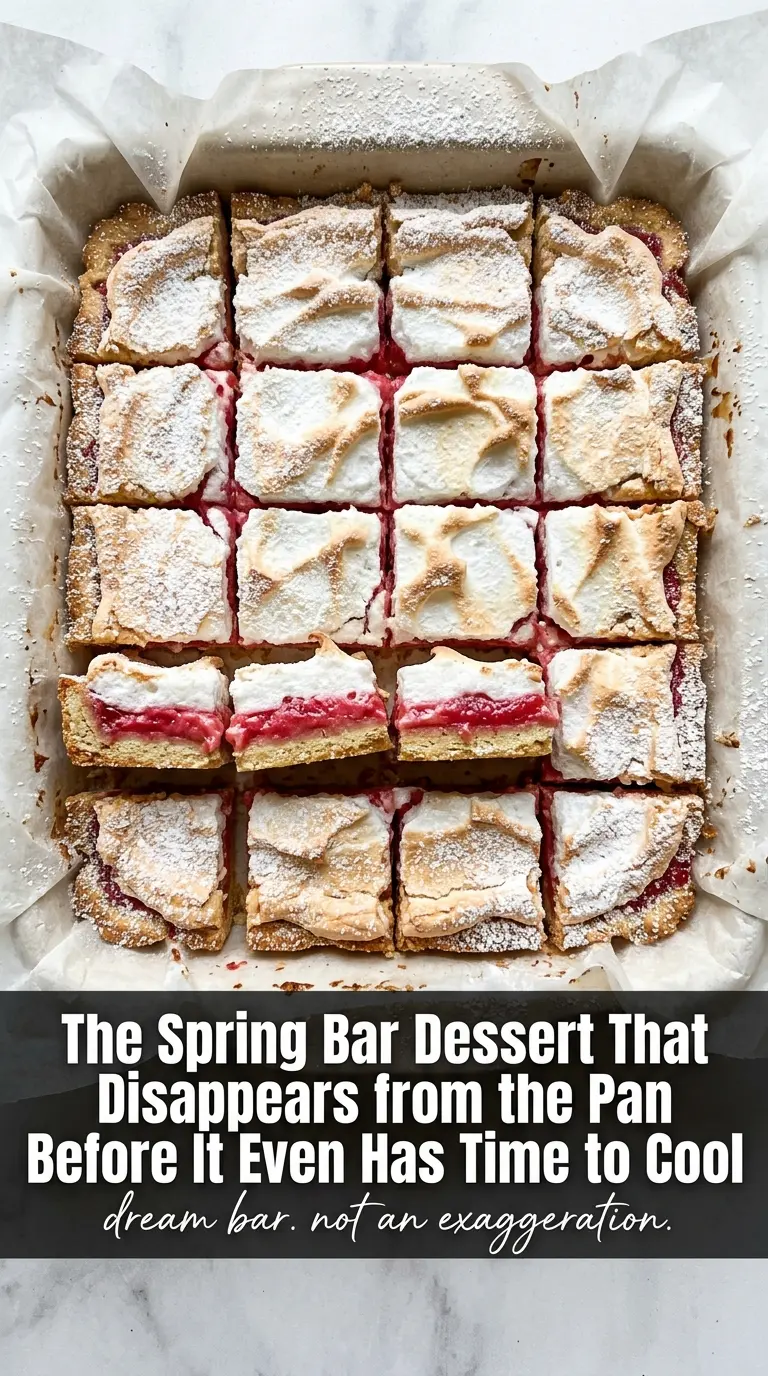
- Cold butter — This is what makes the crust taste rich and bake up tender. Cold cubes cut into the flour keep the texture short and slightly crumbly. Soft butter gives you a denser, more cookie-like base.
- Powdered sugar — It dissolves into the crust faster than granulated sugar and helps the bottom bake into a finer, more delicate layer.
- Fresh rhubarb — Fresh rhubarb gives you the clean tartness and soft pink pieces that make these bars worth baking. Frozen rhubarb can work, but it needs to be thawed and drained well first or the filling will loosen.
- Eggs — The eggs are the structure of the filling. They turn the sweet rhubarb mixture into a custard layer that holds together once chilled.
- Vanilla — It rounds out the sharp edge of the rhubarb and keeps the filling from tasting flat or eggy.
Building the Crust and Filling in the Right Order
Pressing the Shortbread Base
Mix the flour and powdered sugar first, then cut in the cold butter until the mixture looks like damp sand with a few pea-sized bits. Press it firmly and evenly into the parchment-lined pan so the crust bakes at the same rate from corner to corner. If you leave it patchy or too loose, the filling will seep through and the bars will break when sliced.
Whisking the Custard Filling
Whisk the sugar, eggs, flour, vanilla, and salt until the mixture looks smooth and glossy, with no streaks of flour hiding at the bottom of the bowl. Fold in the diced rhubarb gently so the pieces stay intact and don’t break down before baking. If the filling looks lumpy at this stage, keep whisking; dry flour pockets turn into unpleasant little paste spots after baking.
Baking Until the Center Just Sets
Pour the filling over the hot crust and slide the pan back into the oven right away. Bake until the edges are golden and the center no longer sloshes when you nudge the pan, but still has the slightest soft give in the middle. Overbaking dries out the custard and dulls the rhubarb, while underbaking leaves you with a slice that won’t hold once cut.
Cooling Before the First Cut
Let the bars cool completely in the pan before moving them to the refrigerator. The filling finishes setting as it cools, and the chill time is what gives you neat squares instead of a soft slab. Use the parchment to lift them out, then cut with a sharp knife wiped clean between slices for the neatest edges.
How to Adapt These Bars When You Need a Different Finish
Make Them Less Tart
If your rhubarb is especially sharp, add a little extra sugar to the filling, but don’t reduce it too far or the custard will taste flat. The sugar isn’t just for sweetness; it helps soften the rhubarb’s edge and supports the custard texture.
Gluten-Free Version
Swap the all-purpose flour in the crust and filling with a good 1:1 gluten-free baking blend. The texture will be a touch more delicate, but the bars still set well if you chill them fully before cutting.
Using Frozen Rhubarb
Frozen rhubarb works if that’s what you have, but thaw it first and drain off the excess liquid. If you skip that step, the filling can turn loose and the bottom crust won’t stay as crisp.
Storage and Reheating
- Refrigerator: Store covered for up to 5 days. The crust softens a little, but the bars stay neatly sliceable.
- Freezer: These freeze well. Cut into bars, wrap individually, and freeze in a single layer before moving to a container.
- Reheating: These are best served chilled or at cool room temperature, not warmed. Heat loosens the custard and makes the layers less distinct.
Answers to the Questions Worth Asking
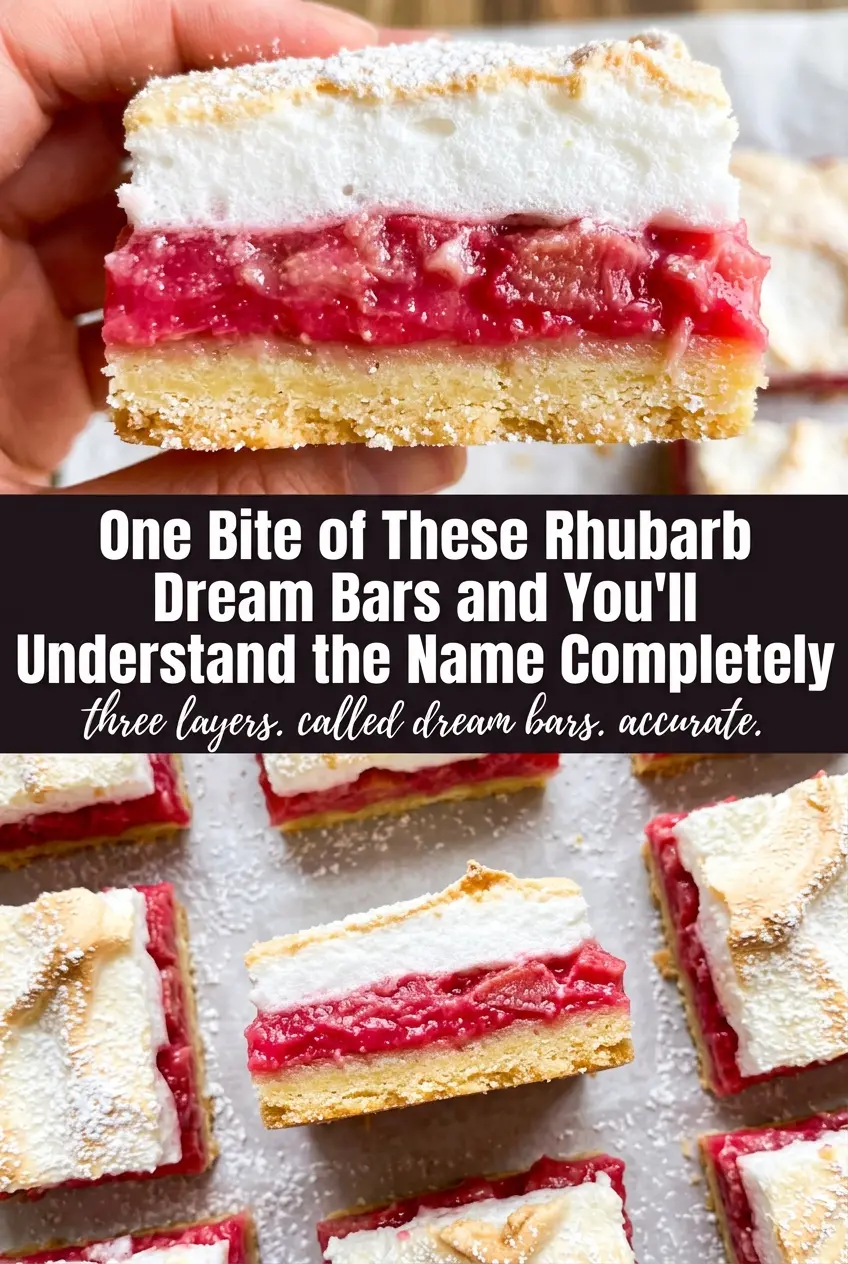
Rhubarb Dream Bars
Ingredients
Equipment
Method
- Preheat the oven to 350°F and line a 9x13-inch pan with parchment paper, with the paper rising slightly at the sides for easy lifting.
- Mix all-purpose flour and powdered sugar, then cut in cold cubed butter until the mixture looks like coarse crumbs and holds together when pressed.
- Press the crumb mixture firmly into the bottom of the prepared pan to form an even crust layer.
- Bake the crust for 15 minutes until lightly golden, then remove it from the oven and leave the oven on.
- Whisk sugar, eggs, all-purpose flour, vanilla extract, and salt until smooth and fully combined.
- Fold in the diced rhubarb until the pieces are evenly distributed through the custard.
- Pour the rhubarb mixture over the hot crust and spread gently so it reaches the corners.
- Bake for 35–40 minutes at 350°F until the filling is set in the center and the edges are golden, with a slight jiggle in the middle.
- Cool completely in the pan until the filling firms up and no longer looks glossy.
- Refrigerate for at least 2 hours before cutting into bars for clean layers and neat slices.