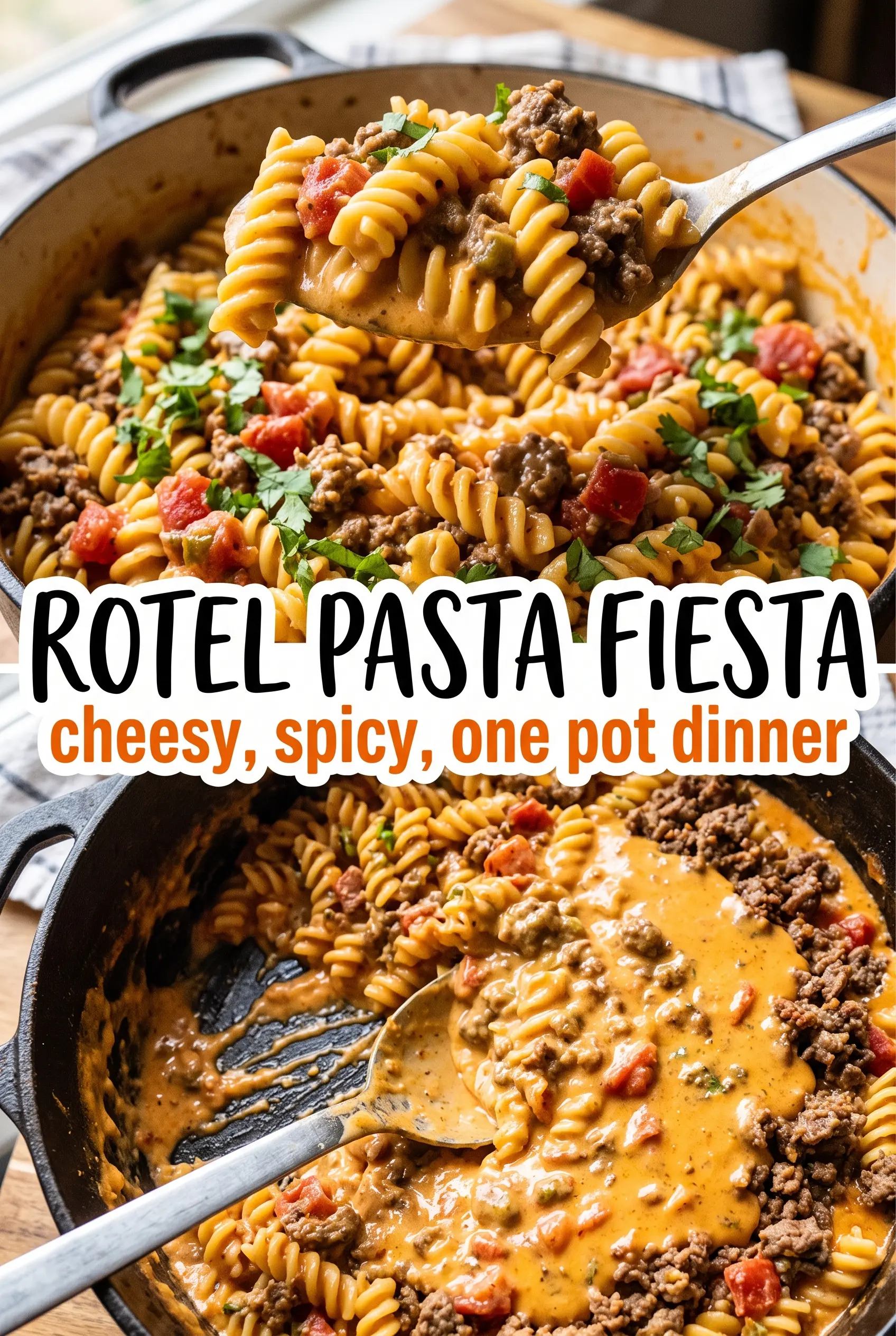
Rotini loves a sauce like this. The spirals catch every bit of the creamy Rotel cheese coating, and the ground beef gives it enough heft to stand up as a real dinner, not just a pasta side that disappears fast. What makes this one worth repeating is the balance: enough heat from the tomatoes and green chiles, enough richness from the cream and cheddar, and enough texture from the black beans and corn to keep every bite interesting.
The trick is building the sauce in layers instead of dumping everything together at once. Browning the beef with the onion first gives you a savory base, and letting the Rotel, beans, corn, and broth simmer before the cream goes in keeps the sauce from tasting flat. The cheddar melts best when the heat is lowered, which keeps it smooth instead of grainy.
Below, I’ve included the small details that keep the sauce silky, plus a few ways to adjust the heat, make it lighter, or stretch it for another meal.
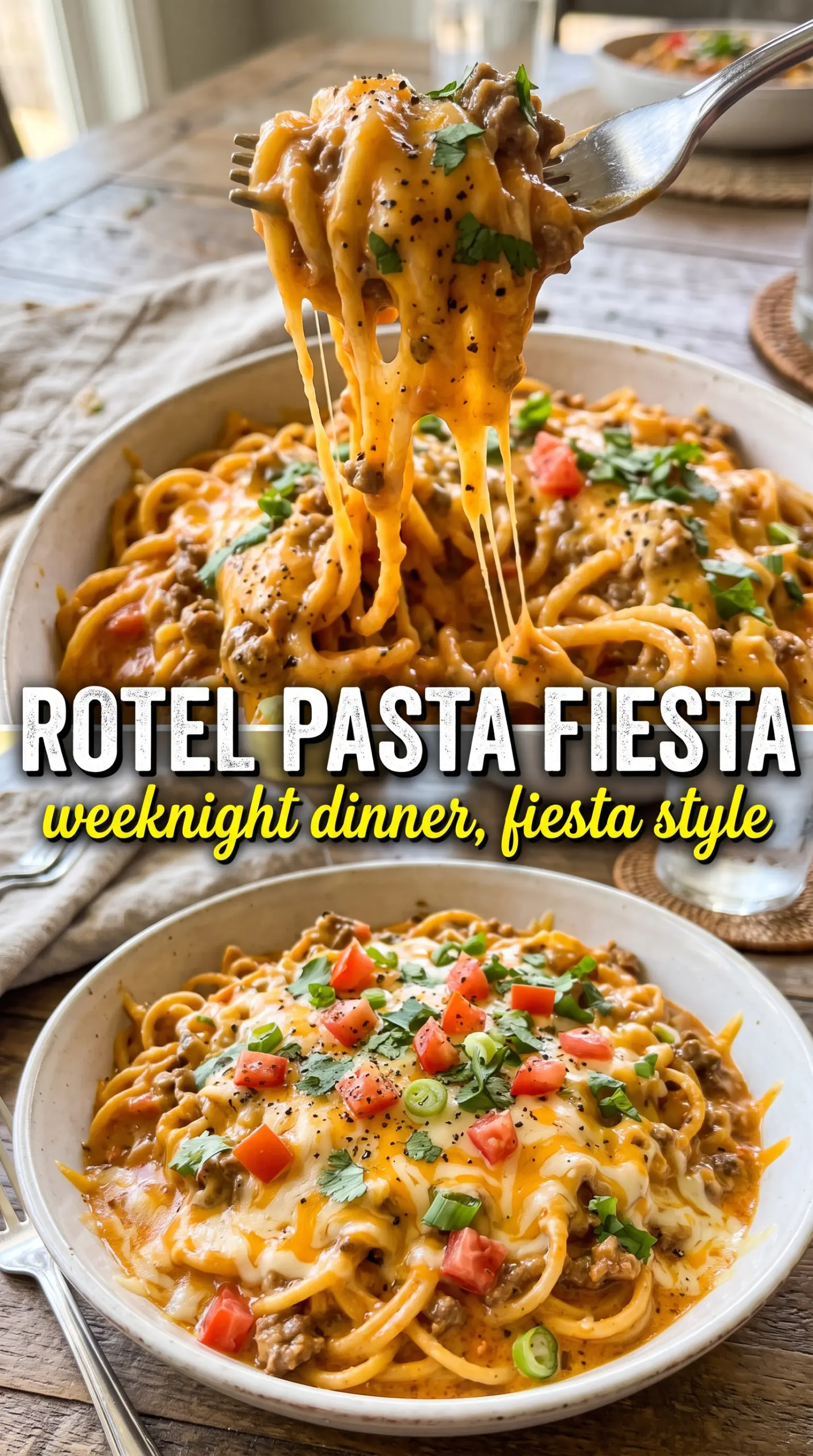
The sauce clung to every rotini curl and stayed creamy even after sitting for a few minutes. I loved that the beans and corn made it feel hearty without needing anything extra.
Creamy Rotel Pasta Fiesta is the kind of skillet dinner worth keeping close for nights when you want bold Tex-Mex flavor with almost no cleanup.
Why the Cheese Stays Smooth Instead of Turning Grainy
The biggest mistake in a skillet pasta like this is rushing the cheese. If the heat is too high when the cheddar goes in, the fats separate and the sauce turns oily or sandy instead of velvety. The broth and cream need a brief simmer first so the sauce base is hot and unified before the cheese gets added.
Rotel also matters more than people think. Those tomatoes and green chiles bring acid, salt, and a little bite, which keeps the sauce from tasting heavy. Black beans and corn need just enough simmer time to lose their canned edge and pick up the seasoning, but not so long that the corn goes dull.
- Rotel tomatoes with green chiles — This is the ingredient that gives the dish its Tex-Mex backbone. Regular diced tomatoes won’t bring the same punch, and if you use plain tomatoes, you’ll need extra chiles and a little more salt.
- Heavy cream — This keeps the sauce stable and rich. Half-and-half can work, but the sauce will be thinner and a little less forgiving when the cheese melts in.
- Cheddar cheese — Shred it yourself if you can. Pre-shredded cheese often has anti-caking starches that make the sauce less silky.
- Taco seasoning — This does the work of several spices at once, which is why the sauce tastes rounded without needing a long ingredient list. If your packet is salty, hold back on added salt until the end.
What Each Ingredient Is Actually Doing in This Recipe
- Primary ingredient (the star) — Quality matters most. Choose the best you can find.
- Cooking medium (oil, butter, or broth) — This carries flavors and prevents dryness.
- Seasonings (salt, pepper, spices, herbs) — Layer flavors so nothing overpowers. Build depth gradually.
- Aromatics (garlic, onion, herbs) — Cook with fat to bloom flavors. Become the foundation.
- Supporting ingredients — Complement the main ingredient without overpowering it.
- Sauce or liquid (if applicable) — Brings flavors together. Balance richness with acid.
- Acid (lemon, vinegar, wine, or other) — Brightens and prevents flat-tasting results.
- Final finish (garnish, glaze, or sauce) — Prevents one-dimensional taste and adds visual appeal.
The 20 Minutes That Turn This Into Dinner
Cooking the Pasta Just Short of Done
Boil the rotini until it’s al dente, then save some pasta water before draining. That starch is useful if the sauce tightens up after the cheese goes in. If the pasta is overcooked here, it’ll keep softening in the sauce and lose the bite that makes rotini so good in a creamy skillet dinner.
Building the Savory Base
Brown the ground beef with the diced onion until the meat has real color and the onion turns soft and translucent. That browning is where the deeper flavor comes from, so don’t stop at pale gray meat. Drain off excess fat if the pan looks greasy, then stir in the garlic and taco seasoning just long enough to wake up the spices without burning the garlic.
Letting the Sauce Develop
Add the Rotel, black beans, corn, and beef broth, then let the mixture simmer for a few minutes. You’re giving the beans and corn time to soak up the seasoning and letting the broth pick up the browned bits from the pan. If the pan looks too dry before the cream goes in, add a splash more broth rather than turning up the heat.
Finishing with Cream and Cheese
Lower the heat before stirring in the heavy cream, then add the cheddar a handful at a time. The sauce should look glossy and smooth between additions. If it starts to get too thick, loosen it with a little reserved pasta water instead of more cream, which keeps the flavor balanced instead of watered down.
Coating the Pasta
Fold the cooked rotini into the sauce and toss until every spiral is coated. The sauce should cling to the pasta and pool lightly at the bottom of the skillet, not sit like soup. Let it rest for a minute or two before serving so the sauce settles into the pasta instead of sliding right off.
Three Ways to Change the Heat, the Texture, or the Dairy
Milder Family Version
Use mild Rotel or replace it with diced tomatoes plus a small can of mild green chiles. You still get the creamy Tex-Mex feel, but the heat drops enough for kids or anyone who doesn’t want much bite.
Dairy-Free Skillet Pasta
Swap the heavy cream for full-fat canned coconut milk and use a good melting dairy-free cheese or skip the cheese and finish with extra seasoning. The sauce won’t taste exactly the same, but it will still be creamy and hold together well if you keep the heat low.
Make It Vegetarian
Skip the ground beef and use an extra can of black beans, or swap in plant-based crumbles if you want the same hearty feel. Use vegetable broth instead of beef broth, and the sauce still lands rich and satisfying with the cheese and Rotel doing most of the work.
Storage and Reheating
- Refrigerator: Store in an airtight container for up to 4 days. The pasta absorbs some sauce as it sits, so it will look thicker after chilling.
- Freezer: It freezes, but the cream sauce can separate a bit after thawing. Freeze in portions, then thaw overnight in the fridge for the best texture.
- Reheating: Warm it gently on the stove or in the microwave with a splash of broth or water. High heat is the main reason the sauce turns greasy, so reheat slowly and stir often.
Questions I Get Asked About This Recipe
Rotel Pasta Fiesta
Ingredients
Equipment
Method
- Cook the rotini in boiling water until al dente, then reserve 1/2 cup pasta water, drain, and set aside.
- Set the drained pasta aside so it stays hot for tossing later.
- Brown the ground beef with the diced onion over medium-high heat, drain the fat, then add the minced garlic and taco seasoning and cook for 1 minute.
- Keep the mixture moving so the seasoning blooms briefly before adding liquids.
- Add the Rotel tomatoes with green chiles, black beans, corn, and beef broth, then simmer for 5 minutes.
- Let the sauce reduce slightly so it thickens and clings to the pasta.
- Stir in the heavy cream and bring the mixture to a simmer.
- Stir in the shredded cheddar until fully melted and smooth.
- Toss the pasta with the sauce, adding reserved pasta water as needed to thin.
- Serve topped with fresh cilantro and extra cheddar for a vivid, melty finish.