Spicy lasagna soup brings the comfort of a baked pasta dish into one pot, with a broth that’s bold, red, and layered enough to stand up to the noodles. The sausage gives it backbone, the tomatoes keep it bright, and the ricotta dollop cools each spoonful just enough to make the heat addictive instead of overwhelming.
What makes this version work is the way the spices are built into the base instead of tossed in at the end. Browning the sausage first leaves behind flavor in the pot, and cooking the tomato paste, jalapeño, and dried spices for a minute or two pulls the sharp edges out and turns them deeper and rounder. Broken lasagna noodles finish right in the broth, so they soak up all that flavor instead of tasting like plain pasta dropped into soup.
Below, I’ve added the timing cues that keep the noodles from going mushy, plus a few smart swaps if you want to dial the heat up or down without losing what makes the soup special.
The broth had a nice kick, but the ricotta topping cooled it down perfectly. My noodles stayed tender without falling apart, and the flavor tasted even better the next day.
Save this spicy lasagna soup for the night you want a fiery tomato broth, tender noodles, and that cooling ricotta finish in one bowl.
The Part That Keeps the Broth Bold Instead of Flat
The biggest mistake with soup versions of baked pasta is treating the broth like a background player. It isn’t. This soup needs the sausage fat, tomato paste, and spices to cook together long enough to stop tasting separate. That short sauté after the onion goes in is where the depth shows up.
Another place people lose the dish is with the noodles. If you add them too early or let the soup boil hard after they go in, they swell past the point where they still taste like lasagna noodles. A gentle simmer is enough. The broth should move lazily, not churn.
- Hot Italian sausage — This is the main source of seasoning and heat, so use a brand you actually like eating on its own. If you swap in mild sausage, the soup will still work, but it will need more red pepper flakes and maybe an extra pinch of cayenne to get back the same punch.
- Tomato paste — This adds concentrated body and gives the broth that savory, almost slow-cooked taste. Let it cook with the onions and jalapeño for a minute or two so it darkens a bit; if you stir it in and move straight to liquid, the flavor stays tinny.
- Fire-roasted tomatoes — These matter more than people think. They bring a little smoky edge that makes the soup taste fuller, and that flavor is hard to fake with plain diced tomatoes.
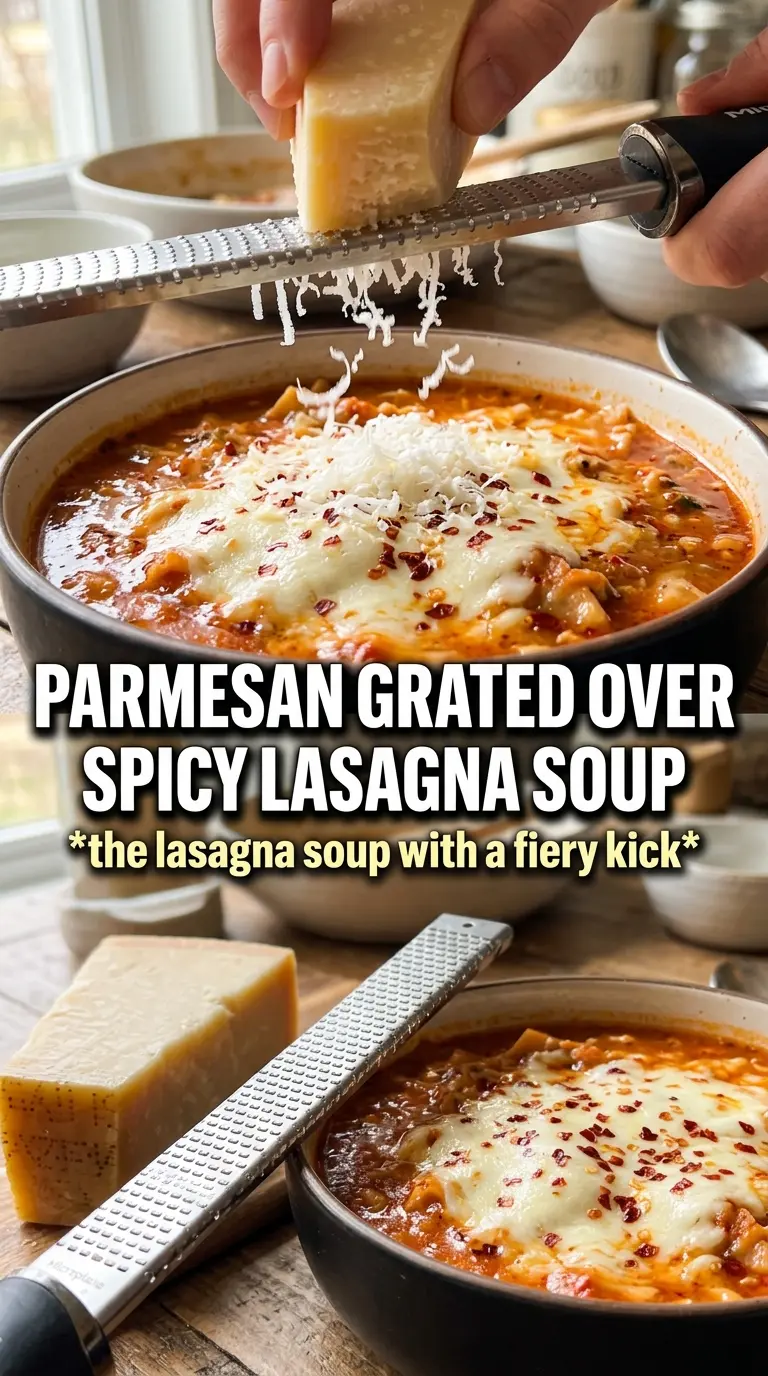
- Ricotta topping — The ricotta cools the heat and gives you the creamy lasagna finish without turning the whole pot heavy. Whole-milk ricotta is best here. If you use part-skim, it’ll still work, but the dollop won’t be quite as lush.
What Each Ingredient Is Actually Doing in This Recipe
- Primary ingredient (the star) — Quality matters most. Choose the best you can find.
- Cooking medium (oil, butter, or broth) — This carries flavors and prevents dryness.
- Seasonings (salt, pepper, spices, herbs) — Layer flavors so nothing overpowers. Build depth gradually.
- Aromatics (garlic, onion, herbs) — Cook with fat to bloom flavors. Become the foundation.
- Supporting ingredients — Complement the main ingredient without overpowering it.
- Sauce or liquid (if applicable) — Brings flavors together. Balance richness with acid.
- Acid (lemon, vinegar, wine, or other) — Brightens and prevents flat-tasting results.
- Final finish (garnish, glaze, or sauce) — Prevents one-dimensional taste and adds visual appeal.
Building the Heat Without Burning the Garlic
Brown the Sausage First
Cook the sausage in a large pot until it’s browned and broken into small crumbles, then drain off excess fat if there’s a lot of it. You want the meat deeply colored, not just gray and cooked through, because that browned surface gives the broth its first layer of savory flavor. If the pot looks dry, leave a little fat behind before moving on. That thin coating helps the onions cook without sticking.
Wake Up the Tomato Base
Add the onion and cook until it softens and turns translucent, then stir in the garlic, jalapeño, and tomato paste. Keep this stage to about two minutes and stay close to the pot, because garlic goes bitter fast once it starts to brown. The tomato paste should darken slightly and smell sweeter when it’s ready. That’s the signal to move on.
Toast the Spices in the Pot
Red pepper flakes, smoked paprika, cayenne, and Italian seasoning go in before the liquids. Stir them into the hot base for about a minute so the oils bloom and the heat spreads evenly through the soup. If you dump the spices straight into the broth, the flavor can stay sharp and uneven. The goal here is a broth that tastes integrated, not just spicy.
Let the Noodles Finish in the Broth
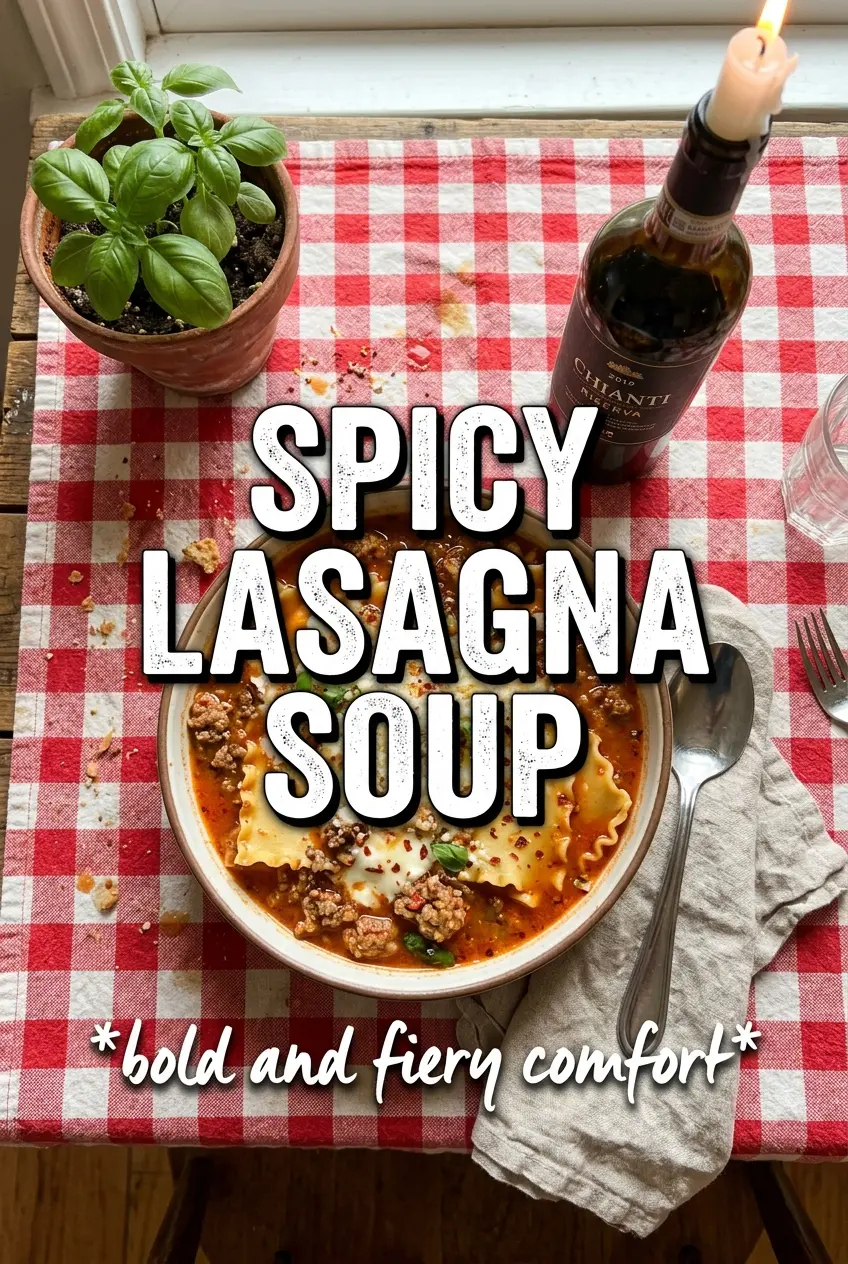
Once the tomatoes and broth come to a boil, add the broken lasagna noodles and drop the heat to a steady simmer. Stir them a few times so they don’t glue themselves together or settle on the bottom of the pot. They’re done when they’re tender with a little chew left in the center, usually around 10 to 12 minutes. If they get too soft, the soup still tastes good, but it stops feeling like lasagna.
How to Adjust the Heat, the Cheese, and the Leftovers
Dial It Down Without Losing the Character
Use mild Italian sausage, cut the jalapeño down to one small pepper, and reduce the cayenne to a pinch. Keep the smoked paprika and tomato paste where they are, because those give the soup its depth even when the heat comes down. You’ll still get a lively bowl, just with more balance and less burn.
Make It Extra Fiery
Leave the jalapeño seeds in, add an extra pinch of cayenne, and finish each bowl with more chili oil. A little heat goes a long way after the ricotta goes on top, so taste after the soup simmers and before you serve. It’s easier to add another splash of chili oil than to fix a broth that’s gone too far.
Make It Gluten-Free
Swap in a sturdy gluten-free lasagna noodle or another short gluten-free pasta with a similar cooking time. Add it near the end and watch it closely, because gluten-free pasta can go from tender to fragile fast. If it starts thickening the broth more than you want, loosen each bowl with a splash of hot broth before serving.
Storage and Reheating
- Refrigerator: Store for up to 4 days. The noodles will keep soaking up broth, so expect the soup to thicken.
- Freezer: Freeze the broth and sausage without the noodles if you can. Cooked pasta gets soft after thawing, so add fresh noodles when you reheat for the best texture.
- Reheating: Warm it gently on the stovetop over medium-low heat with a splash of broth or water. A hard boil will break up the noodles and make the ricotta topping separate if it’s already mixed in.
Answers to the Questions Worth Asking
Spicy Lasagna Soup
Ingredients
Equipment
Method
- Brown hot Italian sausage in a large pot over medium-high heat, breaking it up as it cooks, then drain the fat.
- Sauté onion for 4 minutes, then add garlic, jalapeño, and tomato paste and cook for 2 minutes.
- Stir in red pepper flakes, smoked paprika, and cayenne and cook for 1 minute, until fragrant.
- Add both tomatoes, chicken broth, and Italian seasoning, then bring the mixture to a boil.
- Add broken lasagna noodles and simmer for 10-12 minutes, stirring occasionally, until tender.
- Season with salt and pepper to taste.
- Mix ricotta, mozzarella, parmesan, and fresh basil to form a cooling cheese dollop.
- Serve the soup hot with a drizzle of chili oil and a spoonful of the cooling ricotta dollop on top.