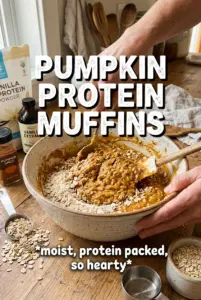
These pumpkin protein muffins bake up tall, tender, and sturdy enough to grab on the way out the door without falling apart. The crumb stays moist from the pumpkin and Greek yogurt, while the oat flour and protein powder give each muffin a more satisfying, breakfast-worthy bite than a standard bakery-style muffin.
What makes this version work is balance. Pumpkin puree brings moisture, but it also softens the structure, so the eggs and protein powder have to do some of the lifting. Blended oats give you a hearty base without turning the muffins dense, and the maple syrup keeps the flavor rounded instead of chalky or overly sweet. I like topping them with pumpkin seeds for a little crunch and a clean look once they come out of the oven.
Below, I’ve included the small details that matter most: how to avoid gummy muffins, why the batter shouldn’t be overmixed, and the easiest swaps if you want to adjust the recipe for your pantry.
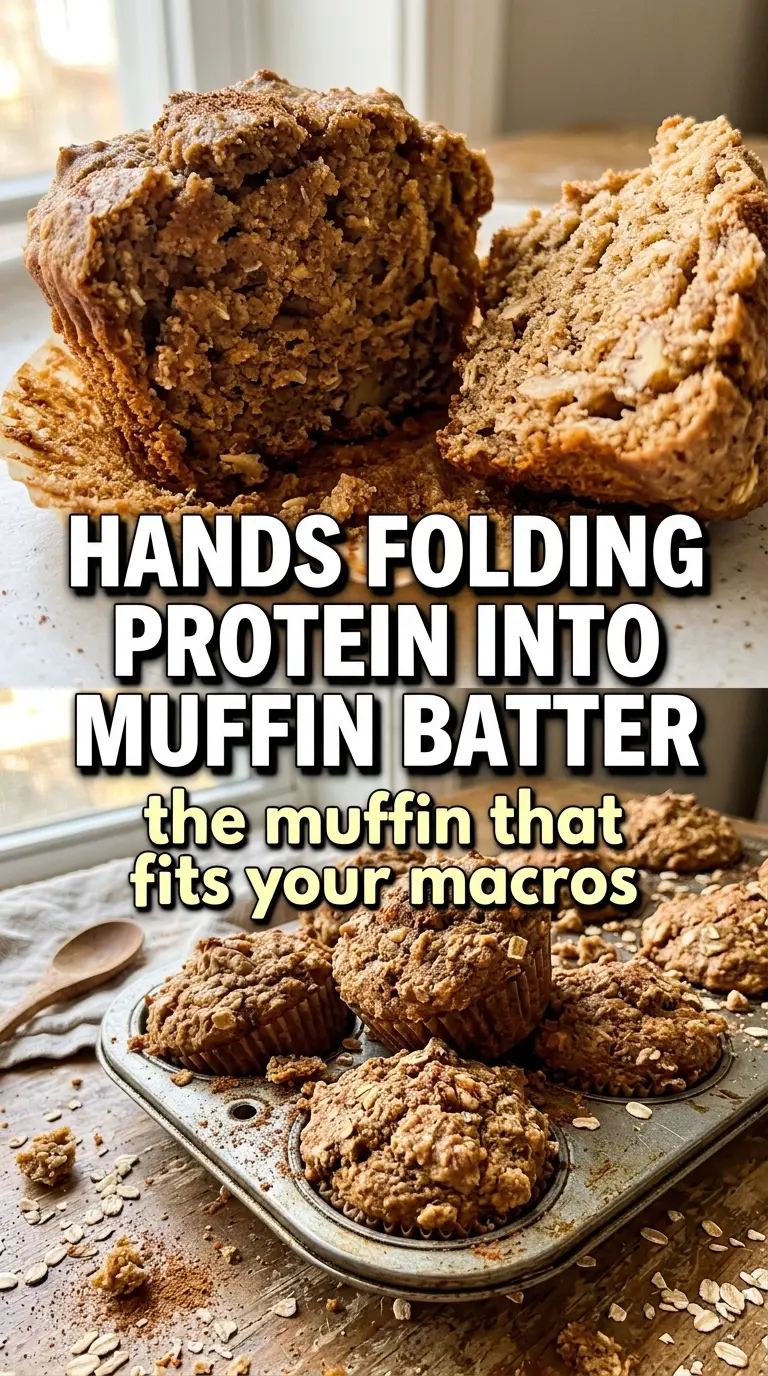
The muffins came out fluffy instead of dense, and the tops cracked just enough to hold the pumpkin seeds. I also liked that they stayed moist the next day without getting soggy.
Pumpkin protein muffins with a soft center and crackly seed-topped tops are worth bookmarking for quick breakfasts.
The Secret to Tall Muffins Without a Heavy Protein Texture
Protein muffins can go wrong fast if the batter is treated like a standard quick bread. Once the wet and dry ingredients come together, overmixing starts to build toughness, and protein powder can turn that toughness into a dry, rubbery crumb. The goal here is a thick batter that holds its shape in the muffin cups but still looks a little rough around the edges when you stop stirring.
Oat flour helps keep the texture from getting bouncy or chalky. It softens the protein powder just enough and gives the muffins a more natural, oat-forward chew. The pumpkin puree and Greek yogurt also matter here because they add moisture without making the crumb oily, which is why these muffins stay pleasant after they cool instead of turning pasty.
What Each Ingredient Is Actually Doing in This Recipe
- Primary ingredient (the star) — Quality matters most. Choose the best you can find.
- Cooking medium (oil, butter, or broth) — This carries flavors and prevents dryness.
- Seasonings (salt, pepper, spices, herbs) — Layer flavors so nothing overpowers. Build depth gradually.
- Aromatics (garlic, onion, herbs) — Cook with fat to bloom flavors. Become the foundation.
- Supporting ingredients — Complement the main ingredient without overpowering it.
- Sauce or liquid (if applicable) — Brings flavors together. Balance richness with acid.
- Acid (lemon, vinegar, wine, or other) — Brightens and prevents flat-tasting results.
- Final finish (garnish, glaze, or sauce) — Prevents one-dimensional taste and adds visual appeal.
What Each Ingredient Is Actually Doing in These Muffins
- Old-fashioned oats — Blended into flour, they give the muffins body and a softer, more wholesome crumb than all-purpose flour would. If you only have store-bought oat flour, use the same amount by weight or slightly less by volume because pre-ground flour packs more tightly.
- Vanilla protein powder — This is the ingredient that turns these into true breakfast muffins with staying power. Different brands absorb liquid differently, so if your batter looks unusually thick, add a tablespoon or two of Greek yogurt or a splash of milk.
- Pumpkin puree — Use plain pumpkin puree, not pumpkin pie filling. The puree supplies moisture and pumpkin flavor without extra sugar or spices, which keeps the muffins from tasting muddled.
- Greek yogurt — It adds tenderness and a little tang that keeps the pumpkin flavor from tasting flat. Full-fat or low-fat both work; the main thing is to use plain yogurt so the batter doesn’t get overly sweet.
- Coconut oil and maple syrup — The oil keeps the crumb soft, and the maple syrup gives a deeper sweetness than white sugar. If the coconut oil is too hot when you mix it in, it can start cooking the eggs, so let it cool until just warm.
Mixing the Batter So It Bakes Up Soft, Not Gummy
Build the dry mix first
Blend the oats into a flour before anything else, then whisk them with the protein powder, spices, baking powder, baking soda, and salt. This step matters because protein powder tends to clump, and if you skip the whisking, you can end up with pockets that taste dusty or bitter. The dry mixture should look evenly speckled with spice and fine enough that it doesn’t feel gritty between your fingers.
Whisk the wet ingredients until smooth
Combine the pumpkin puree, eggs, maple syrup, cooled melted coconut oil, vanilla, and Greek yogurt until the mixture looks fully emulsified. If the oil is still hot, it can separate or scramble the eggs at the edges of the bowl. A smooth, thick orange batter base is what you want before the dry ingredients go in.
Stop as soon as the flour disappears
Fold the dry ingredients into the wet mixture just until no dry streaks remain. The batter will be thick, and that’s correct. If you keep stirring to chase perfection, the muffins can bake up dense and slightly rubbery, which is the fastest way to ruin a protein muffin. Divide the batter right away so it doesn’t sit and thicken even more in the bowl.
Watch for the right finish in the oven
Top with pumpkin seeds and bake until the muffins are domed, set in the center, and a toothpick comes out clean or with just a few moist crumbs. If the tops brown too quickly but the centers still need time, the oven is running hot, so check them a couple minutes early. Let them rest in the pan briefly before moving them to a rack so the crumb can finish setting without getting wet underneath.
How to Adjust These Muffins for Different Pantries and Diets
Dairy-Free Version
Swap the Greek yogurt for a thick unsweetened dairy-free yogurt. The muffins will still stay moist, though the crumb may be a little less tangy. Choose a plain version with some body; a thin coconut beverage yogurt can make the batter loose.
Gluten-Free as Written
These muffins are already gluten-free if your oats and protein powder are certified gluten-free. That certification matters because oats are often processed with wheat, and some protein powders contain added fillers that can change the texture.
Lower-Sugar Option
You can reduce the maple syrup a little, but don’t cut it too far. The syrup isn’t only for sweetness; it also helps keep the muffins tender. If you go much lower, the muffins can bake up dry and taste more like protein cakes than breakfast muffins.
Storage and Reheating
- Refrigerator: Store in an airtight container for up to 5 days. The pumpkin keeps them moist, but the tops will soften a little after day one.
- Freezer: These freeze well. Wrap individually and freeze for up to 2 months, then thaw at room temperature or overnight in the fridge.
- Reheating: Warm one muffin for 15 to 20 seconds in the microwave or a few minutes in a low oven. Don’t overheat them or the protein powder can make the crumb feel dry and tight.
Questions I Get Asked About These Pumpkin Protein Muffins
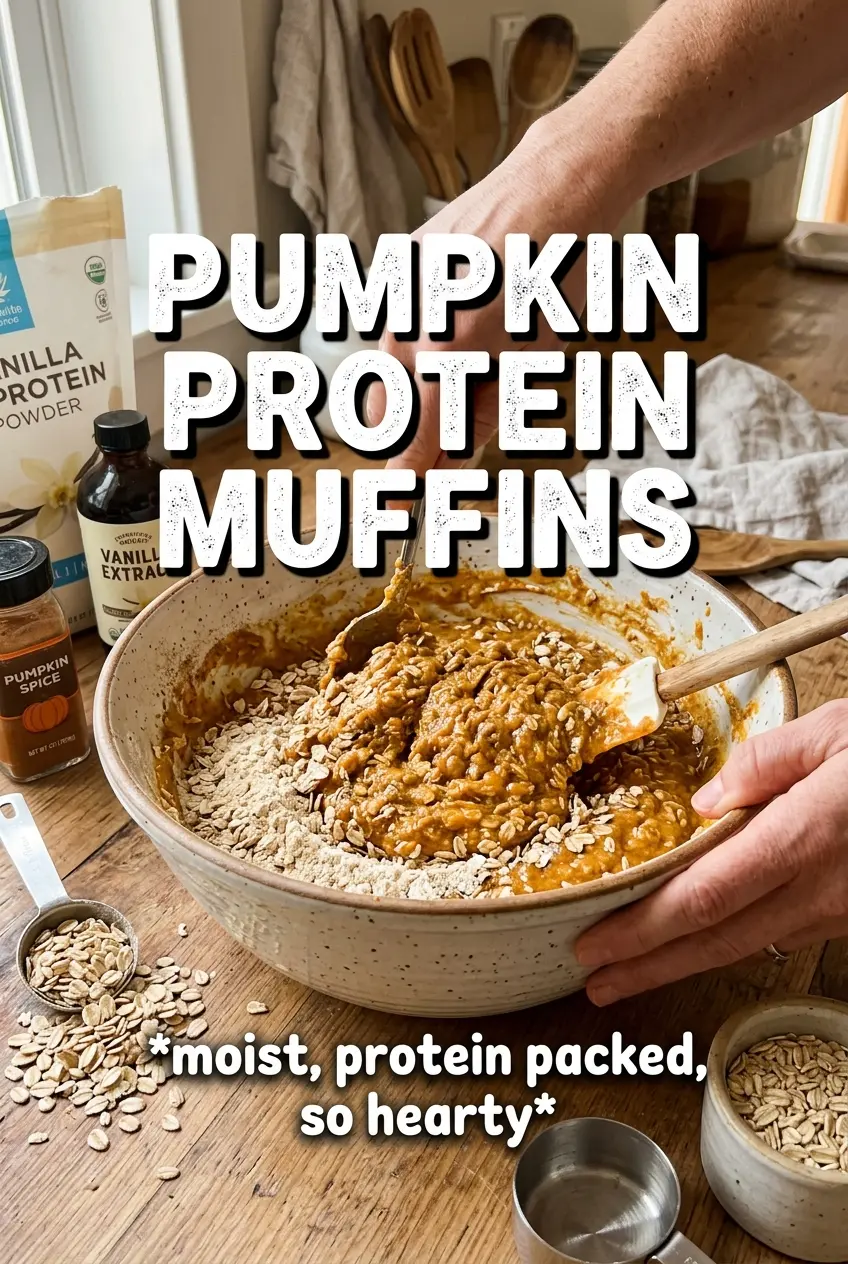
Pumpkin Protein Muffins
Ingredients
Equipment
Method
- Preheat the oven to 375°F, then line a 12-cup muffin tin. Set the tin up so the batter can be portioned right after mixing.
- Blend the old-fashioned oats into a flour, then combine with vanilla protein powder, pumpkin pie spice, cinnamon, baking powder, baking soda, and salt. Stir until evenly speckled in color.
- Whisk pumpkin puree, eggs, maple syrup, melted coconut oil, vanilla, and Greek yogurt until smooth. The mixture should look glossy and uniform.
- Fold the dry ingredients into the wet ingredients until just combined. Stop mixing as soon as no dry streaks remain to keep the crumb tender.
- Divide the batter into the muffin cups. Fill each cup evenly for consistent domes.
- Top each muffin with pumpkin seeds, then bake for 20-22 minutes at 375°F until a toothpick comes out clean. Look for golden-orange domes and a set center.