Spinach bacon pumpkin mac and cheese bakes up creamy in the middle with a crisp, buttery top that breaks open to steam and cheese. The pumpkin doesn’t turn this into a dessert-y pasta; it gives the sauce body, a mellow sweetness, and that deep orange color that makes the whole dish feel rich before you even take the first bite. Bacon brings the salt and smoke, while spinach keeps every forkful from tasting heavy.
The key is building the sauce slowly enough that the dairy thickens before the cheese goes in. Pumpkin puree blends in best after the roux has done its job, because that’s what keeps the sauce smooth instead of grainy or loose. Sharp cheddar gives the familiar mac and cheese bite, and gruyere melts in with a little more stretch and nuttiness than cheddar alone can manage.
Below, I’ve included the exact point where the sauce should look glossy and thick, plus the easiest way to keep the breadcrumb topping crisp after baking. There’s also a storage note for reheating leftovers without drying out the pasta.
The sauce came together silky and thick, and the spinach stayed bright instead of turning mushy. I used the full 30 minutes in the oven and the panko topping was still crisp after dinner.
Save this spinach bacon pumpkin mac and cheese for the night you want a creamy baked pasta with a crisp panko lid and smoky bacon in every scoop.
The Reason the Sauce Stays Creamy Instead of Gritty
Most baked mac and cheese problems start before the dish ever hits the oven. If the milk goes in too fast or the sauce gets too hot after the cheese is added, you end up with a broken, grainy mess that tightens up instead of staying silky. The roux in this recipe gives the dairy something stable to thicken into, and that matters even more once pumpkin puree joins the pan.
Pumpkin brings starch and body, which is helpful, but it can also make a sauce feel heavy if it’s rushed in over high heat. Add the milk and cream gradually, let the sauce simmer until it coats a spoon, then pull the heat down before the cheese goes in. That’s the part that keeps the cheddar smooth and the gruyere from turning stringy or oily.
- The sauce should look glossy and thick enough to leave a clear trail when you drag a spoon through the pan.
- Sharp cheddar gives the classic mac and cheese bite; milder cheese can taste flat once the pumpkin goes in.
- Gruyere melts cleanly and adds depth, but if you need a swap, fontina is the closest easy stand-in for melt and texture.
- Spinach goes in at the end of the mixing stage so it wilts from the heat of the sauce instead of turning dull and watery.
What Each Ingredient Is Actually Doing in This Dish
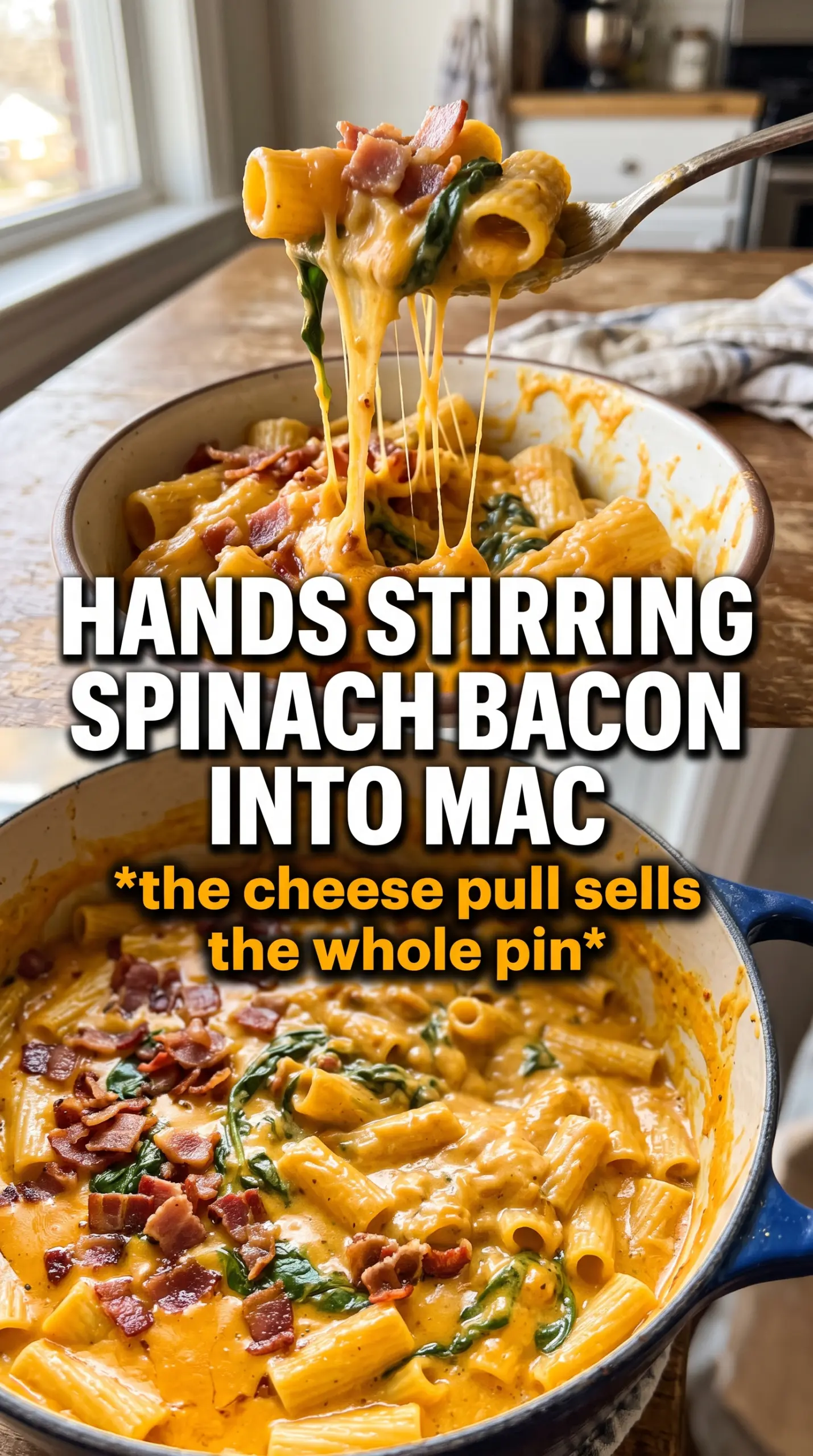
- Pumpkin puree — This is here for body and color, not pumpkin-pie flavor. Use plain puree, not pumpkin pie filling, or the dish will taste sweet and spiced in the wrong way.
- Sharp cheddar and gruyere — Cheddar brings the familiar tang, while gruyere keeps the sauce smooth and a little more grown-up. Pre-shredded cheese works in a pinch, but freshly shredded melts more evenly because it doesn’t carry anti-caking starches.
- Bacon — Bacon gives salt, smoke, and crunch. Cook it until crisp enough to crumble cleanly; chewy bacon softens too much in the bake and gets lost in the sauce.
- Baby spinach — Baby spinach is tender enough to fold in without extra cooking. If you use regular spinach, chop it first and squeeze out any excess moisture after washing so it doesn’t thin the sauce.
- Panko, butter, and parmesan — This topping is what gives the casserole its contrast. Panko stays lighter and crisper than regular breadcrumbs, especially when mixed with melted butter right before baking.
Building the Bake So the Topping Stays Crisp
Cooking the Pasta Just Short of Done
Cook the pasta until it’s just shy of al dente, then drain it well. It keeps cooking in the oven, and if it starts fully tender in the pot, the final bake turns soft and a little heavy. A good batch still has a little bite at the center when you stir it into the sauce.
Making the Pumpkin Cheese Sauce
Melt the butter, whisk in the flour, and cook it for about a minute so the raw flour taste disappears. Add the milk and cream gradually while whisking; the sauce should thicken before you add the cheese, not after. Stir in the pumpkin, then lower the heat and add the cheddar and gruyere a handful at a time until everything looks smooth and glossy. If the pan is too hot at this stage, the cheese can turn oily, so take your time.
Folding in the Bacon and Spinach
Stir the pasta into the sauce first, then add the spinach and most of the bacon. The spinach wilts fast from the heat already in the pan, and the bacon distributes better when some of it gets buried in the sauce. Hold back a little bacon for the top so every serving gets that sharp, smoky finish.
Baking Until the Edges Bubble
Spread everything into the greased dish, then add the panko mixture in an even layer. Bake until the top is deep golden and the sauce is bubbling around the edges, which usually takes 25 to 30 minutes. If the topping browns too fast, lay a loose piece of foil over the dish for the last few minutes. The mac should look loose when it comes out of the oven; it firms up as it rests.
Make It Without the Bacon
Leave out the bacon and add an extra pinch of salt plus a little smoked paprika if you want to keep that savory edge. You’ll lose the crunch and smoke, but the pumpkin-cheese sauce still holds up on its own. This version works well as a vegetarian main dish.
Gluten-Free Swap
Use your favorite gluten-free pasta and replace the flour with a 1:1 gluten-free blend for the roux. Gluten-free pasta can go soft faster, so undercook it by a full minute before baking. The sauce itself stays just as creamy if you keep the heat gentle.
Lighter Dairy Option
You can swap the heavy cream for more whole milk, but the sauce won’t be quite as plush or rich. If that’s the route you take, don’t skip the roux and don’t rush the simmer; that thickness is what keeps the pumpkin from making the sauce feel thin.
Storage and Reheating
- Refrigerator: Store covered for up to 4 days. The pasta will absorb some sauce as it sits, so expect a thicker texture after chilling.
- Freezer: It freezes well in portions for up to 2 months. Cool it completely, wrap tightly, and thaw in the refrigerator before reheating.
- Reheating: Reheat covered in a 325F oven with a splash of milk stirred in, or warm individual servings in the microwave at medium power. High heat dries out the sauce and turns the pasta dense.
Answers to the Questions Worth Asking
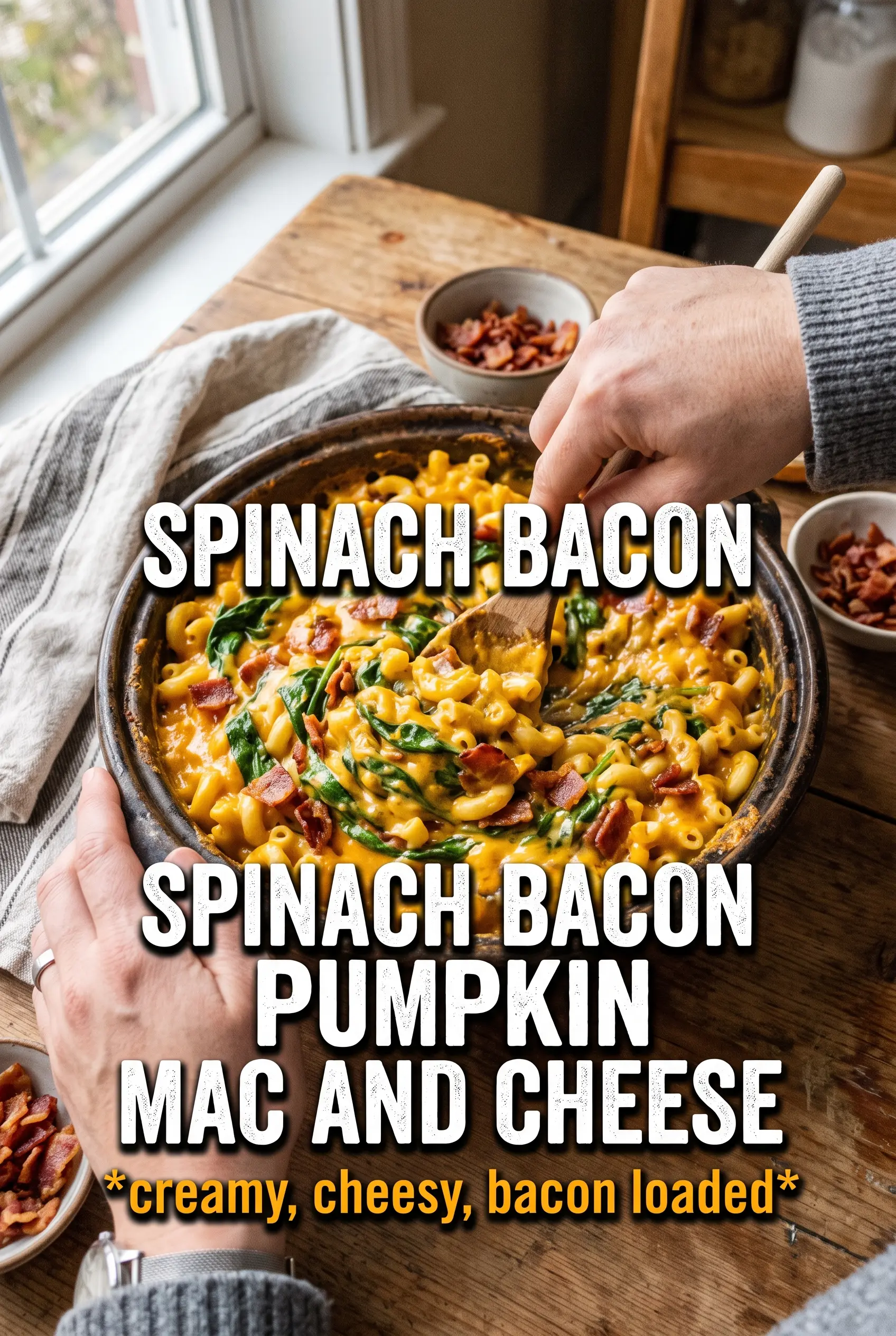
Spinach Bacon Pumpkin Mac and Cheese
Ingredients
Equipment
Method
- Preheat the oven to 375F and grease a 9x13 dish. Use a light, even coating so the baked mac releases cleanly.
- Cook the pasta until tender, then drain it. Keep it warm while you make the cheese sauce.
- Melt the butter over medium heat, then whisk in the flour and cook for 1 minute. The mixture should look smooth and lightly cooked, with no dry flour remaining.
- Gradually add the whole milk and heavy cream while whisking. Bring it to a simmer until thickened, then reduce the chance of lumps by whisking continuously.
- Stir in the pumpkin puree, sharp cheddar, gruyere, nutmeg, and cayenne, then season with salt and pepper to taste. Mix until the cheeses melt into a glossy orange-hued sauce.
- Fold the cooked pasta, baby spinach, and most of the crumbled bacon into the sauce. Stir until everything is evenly coated and spinach is distributed throughout.
- Transfer the mac mixture to the greased 9x13 dish. Spread it into an even layer so it bakes uniformly.
- Mix the panko topping by combining panko, 2 tablespoons butter, and parmesan, then scatter it over the top. You should see a crumbly, even golden layer.
- Bake at 375F for 25-30 minutes until golden and bubbling at the edges. Look for a crisp-looking top with sauce peeking through around the perimeter.
- Top with the remaining bacon right after baking. Let it sit briefly so the topping clings as the mac rests.