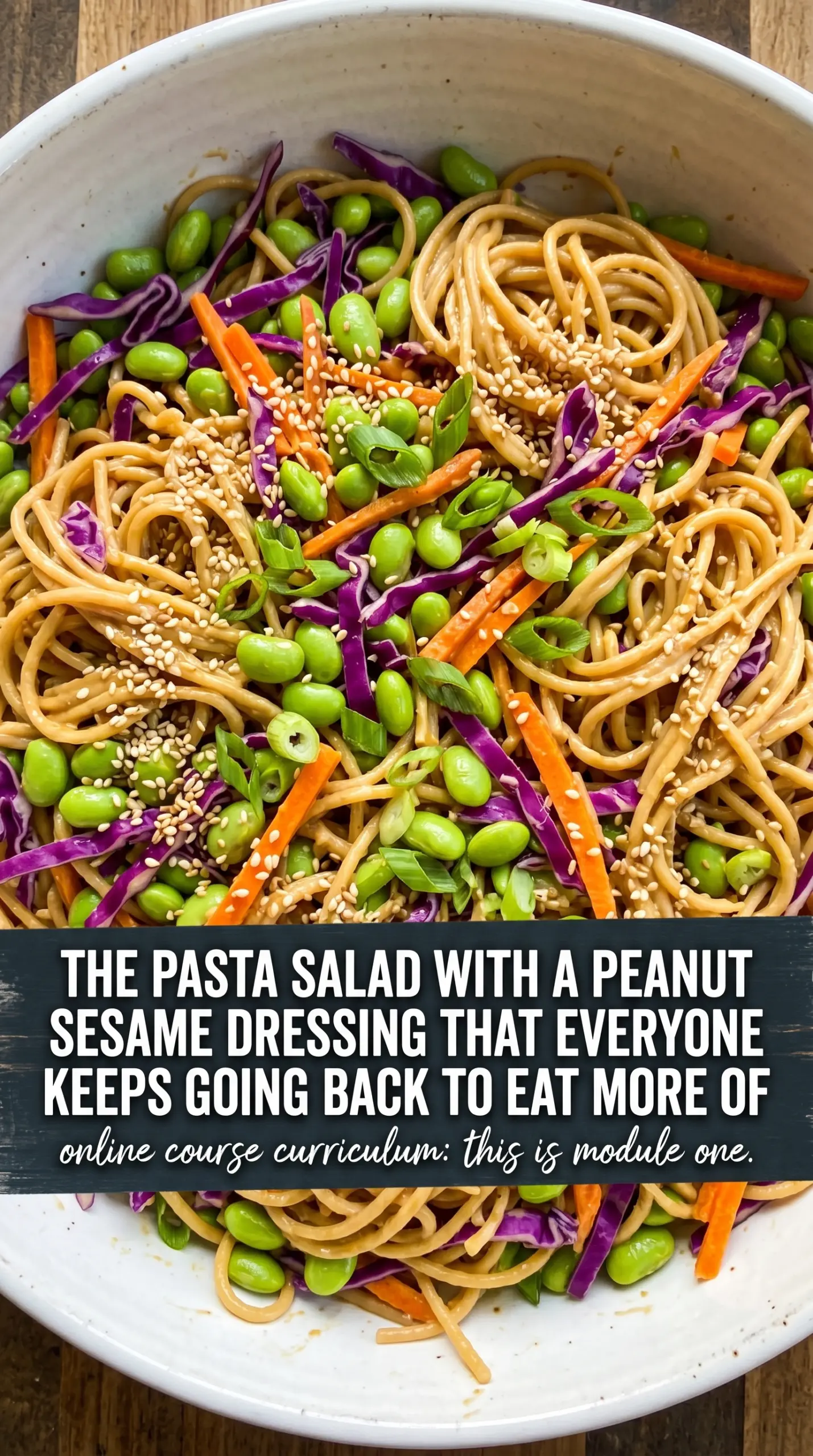
Cold pasta salad gets a lot more interesting when the dressing actually clings to the noodles instead of pooling at the bottom of the bowl. This Asian pasta salad has that balance nailed: chewy pasta, crisp vegetables, tender edamame, and a sesame-ginger dressing that tastes bright on the first bite and even better after it chills.
The trick is rinsing the pasta after cooking so it stops cooking and loses enough surface starch to stay light, then letting the salad rest long enough for the noodles to absorb the dressing. Fresh ginger, sesame oil, and rice vinegar do the heavy lifting here, while shredded cabbage and carrots stay crunchy enough to give every forkful some snap. It’s the kind of side dish that holds up at a picnic, but it’s just as useful for lunch straight from the fridge.
Below you’ll find the small details that keep the dressing balanced, the texture crisp, and the salad from turning watery after an hour on the table.
The sesame-ginger dressing coated everything evenly, and the noodles stayed chewy even after chilling overnight. I added a little extra cabbage for crunch, and it was gone by dinner.
Save this Asian Pasta Salad for the nights when you want a crunchy sesame-ginger side dish that can chill ahead and still taste fresh.
The Reason This Salad Stays Crisp After Chilling
The biggest mistake with pasta salad is treating it like a creamy macaroni salad. That approach works for mayo-based dishes, but here the texture depends on keeping the vegetables crisp and the dressing light enough to coat without weighing everything down. Rinsing the pasta under cold water stops the cooking fast and keeps the salad from turning gummy as it sits.
The other key move is letting the dressing hit the salad while the pasta is cool but not icy. If the noodles are still warm, they drink in more flavor. If they’re cold from the fridge, the dressing sits on top and the salad tastes flatter. That short rest after tossing gives the sesame oil, ginger, and soy sauce time to settle into the pasta without softening the cabbage too early.
- Cold-rinsed spaghetti or linguine — Long noodles hold the dressing better than short shapes here. Broken strands make the salad easier to toss and serve, and they catch the shredded vegetables instead of letting everything slide to the bottom.
- Edamame — This adds a little bite and enough protein to make the salad more substantial. Shelled frozen edamame is perfect; just thaw it and pat it dry so the extra water doesn’t dilute the dressing.
- Red cabbage and carrots — These are the crunch that keeps the salad interesting after chilling. Pre-shredded coleslaw mix can stand in when you’re short on time, but fresh-shredded cabbage stays crisper and doesn’t get limp as fast.
- Sesame oil — Use toasted sesame oil, not plain. It’s the ingredient that gives the salad its nutty backbone, and there’s no real substitute that tastes the same. If you use too much, the dressing can turn heavy, so measure it.
What Each Ingredient Is Actually Doing to Maintain Crispness
- Oil-based dressing (light, not heavy) — Light dressing coats the vegetables without making them soggy. Heavy dressing weighs them down and softens them.
- Fresh, crisp vegetables starting point — Begin with vegetables that have natural crunch. Soft vegetables to start with will only get softer.
- Vegetables cut to size (not too small) — Small pieces expose more surface area and lose crispness faster. Larger pieces maintain their texture longer.
- Cold storage until serving — Keep the salad cold so the vegetables stay firm. Room temperature makes them soften faster.
- Minimal time contact with dressing — Toss just before serving so the dressing doesn’t have time to soften the vegetables. Hold back some dressing and add it fresh.
- Acid (vinegar or lemon) to preserve color and crispness — The acid keeps vegetables from browning and helps preserve their crisp texture.
- Separate storage (if making ahead) — Store the dressing and vegetables separately if you need to make the salad ahead. Toss together just before serving.
- Optional: crispy elements added last — Croutons, nuts, or other crispy components should be added right before serving to stay crunchy.
Building the Dressing So It Stays Bright, Not Flat
Whisking the Balance
The dressing comes together in one bowl, and that matters because the soy sauce, rice vinegar, sesame oil, honey, ginger, and garlic need to emulsify enough to coat the pasta evenly. Whisk until the honey disappears and the dressing looks glossy. If it looks separated, keep whisking for another 20 to 30 seconds before it hits the salad.
Tossing in the Right Order
Add the pasta, edamame, cabbage, carrots, and bell pepper to a large bowl before pouring on the dressing. That gives you room to lift and fold instead of crushing the vegetables. If you dump everything together in a small bowl, the cabbage bruises and the dressing collects in pockets instead of coating every strand.
Letting It Chill Without Going Watery
Refrigerate the salad for at least 1 hour so the noodles absorb the dressing and the ginger softens into the background. Stir once halfway through if you can, since the dressing settles a bit at the bottom. If the salad seems dry after chilling, add a small splash of rice vinegar or a drizzle of sesame oil right before serving instead of making the whole batch wetter from the start.
Make It Gluten-Free
Use gluten-free spaghetti or rice noodles and swap in a gluten-free soy sauce or tamari. Rice noodles soften faster than wheat pasta, so chill the salad a little less long and toss gently so they don’t break apart.
Turn It Into a Fuller Main Dish
Add shredded rotisserie chicken, grilled shrimp, or diced baked tofu. The dressing is strong enough to carry extra protein, but add it after the salad has chilled so it doesn’t dry out or soak up all the sauce.
Dial Back the Salt
Use low-sodium soy sauce if you’re serving this alongside other salty dishes. Regular soy sauce can push the dressing over the edge once the pasta absorbs it, especially after an hour in the fridge.
Storage and Reheating
- Refrigerator: Store for up to 3 days. The vegetables soften a little, but the flavor holds up well.
- Freezer: Don’t freeze this salad. The cabbage, carrots, and pasta turn mushy after thawing.
- Reheating: This salad is meant to be served cold or cool. If it’s been in the fridge for a while, let it sit at room temperature for 10 to 15 minutes and toss again before serving.
Answers to the Questions Worth Asking
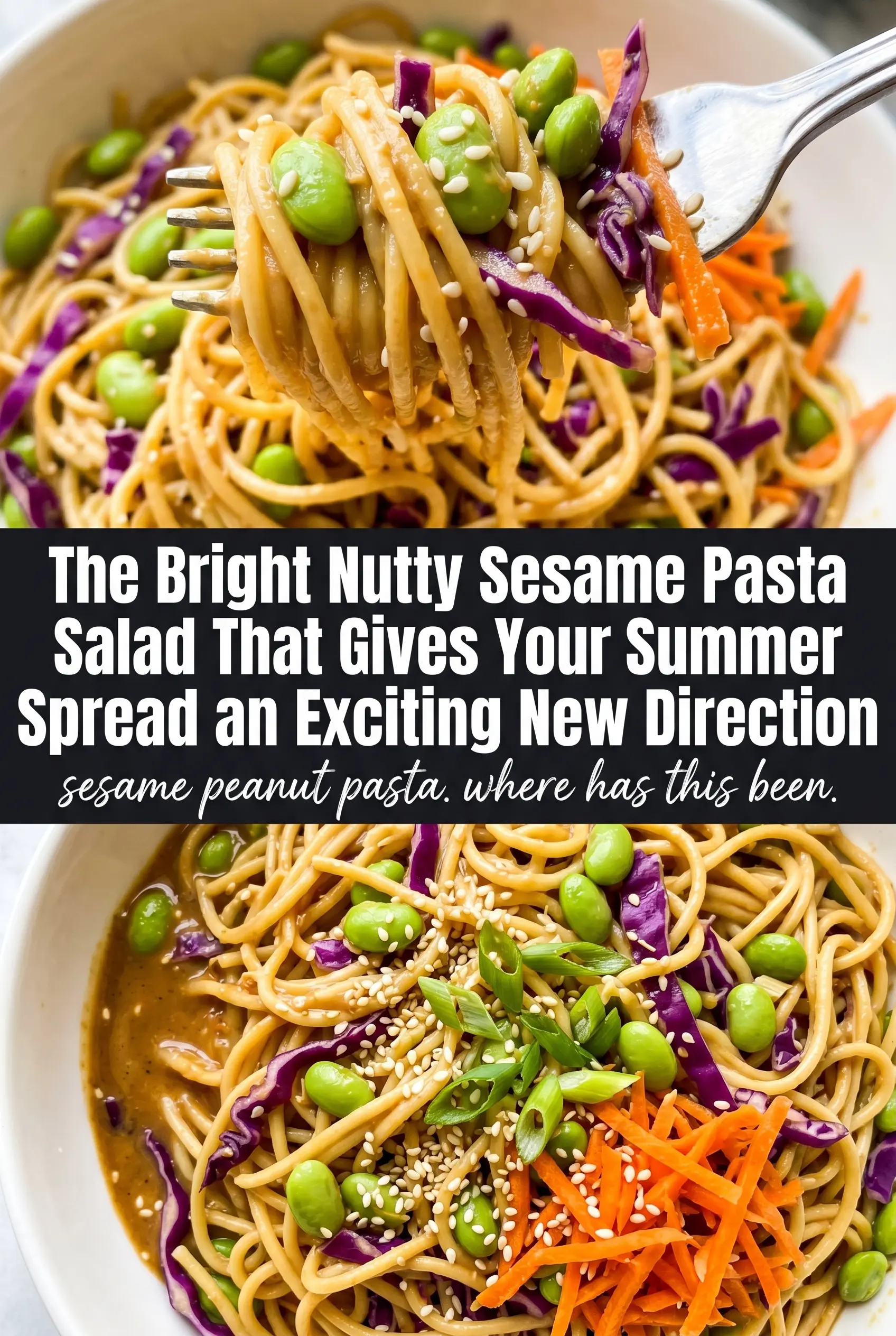
Asian Pasta Salad with Sesame-Ginger Dressing
Ingredients
Equipment
Method
- Bring a pot of water to a rolling boil, then cook the spaghetti or linguine according to package directions until tender but not mushy (about 8–10 minutes). Drain and rinse under cold water until the pasta feels cool to the touch (visual cue: no steam).
- Whisk together soy sauce, rice vinegar, sesame oil, honey, fresh ginger, garlic, salt, and pepper until the mixture looks glossy and evenly combined (about 30 seconds to 1 minute).
- In a large bowl, combine pasta, edamame, red cabbage, carrots, and red bell pepper until the colors are evenly distributed (visual cue: red cabbage and carrots are visible throughout).
- Pour the sesame-ginger dressing over the salad and toss until every strand and vegetable is lightly coated (visual cue: pasta looks slick with dressing).
- Refrigerate the salad for at least 1 hour to let the flavors meld and the dressing set slightly (visual cue: bowl looks chilled and veggies look crisp).
- Right before serving, top with green onions and sesame seeds and give a final toss so the sesame seeds are scattered on top (visual cue: sesame seeds are clearly visible).