Glossy chicken lo mein is one of those dinners that disappears fast because every strand of noodle gets coated in a savory, slightly sweet sauce and the vegetables stay crisp instead of soggy. The chicken stays tender, the noodles keep their bounce, and the whole pan tastes like it came together with a lot more effort than it actually did.
What makes this version work is the order: the sauce gets mixed first, the chicken cooks separately, and the vegetables hit the hot pan before the noodles go back in. That keeps the garlic from scorching, the chicken from overcooking, and the noodles from turning gummy while they absorb the sauce. A final drizzle of sesame oil at the end gives the dish that deep, nutty finish you want in a good lo mein.
Below, I’ve included the small details that matter most, from the best noodle swap to the one move that keeps everything glossy instead of clumpy. If you’ve ever had homemade lo mein turn out dry or muddy, this method fixes that.
The sauce clung to every noodle and the chicken stayed juicy. I loved that the vegetables still had a little crunch, and it tasted even better the next day after the flavors settled in.
Save this chicken lo mein for the nights when you want glossy noodles, tender chicken, and a fast stir-fry that tastes better than takeout.
The Mistake That Makes Lo Mein Turn Heavy and Wet
The biggest problem with homemade lo mein is crowding the pan. If the chicken or vegetables sit too long without that high heat, they steam instead of sear, and the noodles pick up moisture instead of gloss. That’s when the whole dish starts to feel dull and sticky instead of slick and lively.
This version avoids that by moving quickly and keeping the sauce ready before the noodles go in. The chicken gets cooked first and pulled out, which keeps it juicy. The vegetables go into the same hot pan just long enough to soften at the edges while staying bright. When everything comes together, the noodles only need a short toss to absorb the sauce without collapsing.
- High heat matters. A wok or large skillet needs to be hot enough that the ingredients sizzle the second they hit the pan.
- Cook in batches if your pan is small. Overcrowding traps steam and turns the lo mein soft.
- Keep the sauce close by. Once the noodles are in, everything moves fast.
- Use already-cooked noodles. They toss cleanly and finish in the sauce instead of turning mushy.
What Each Ingredient Is Actually Doing in This Dish
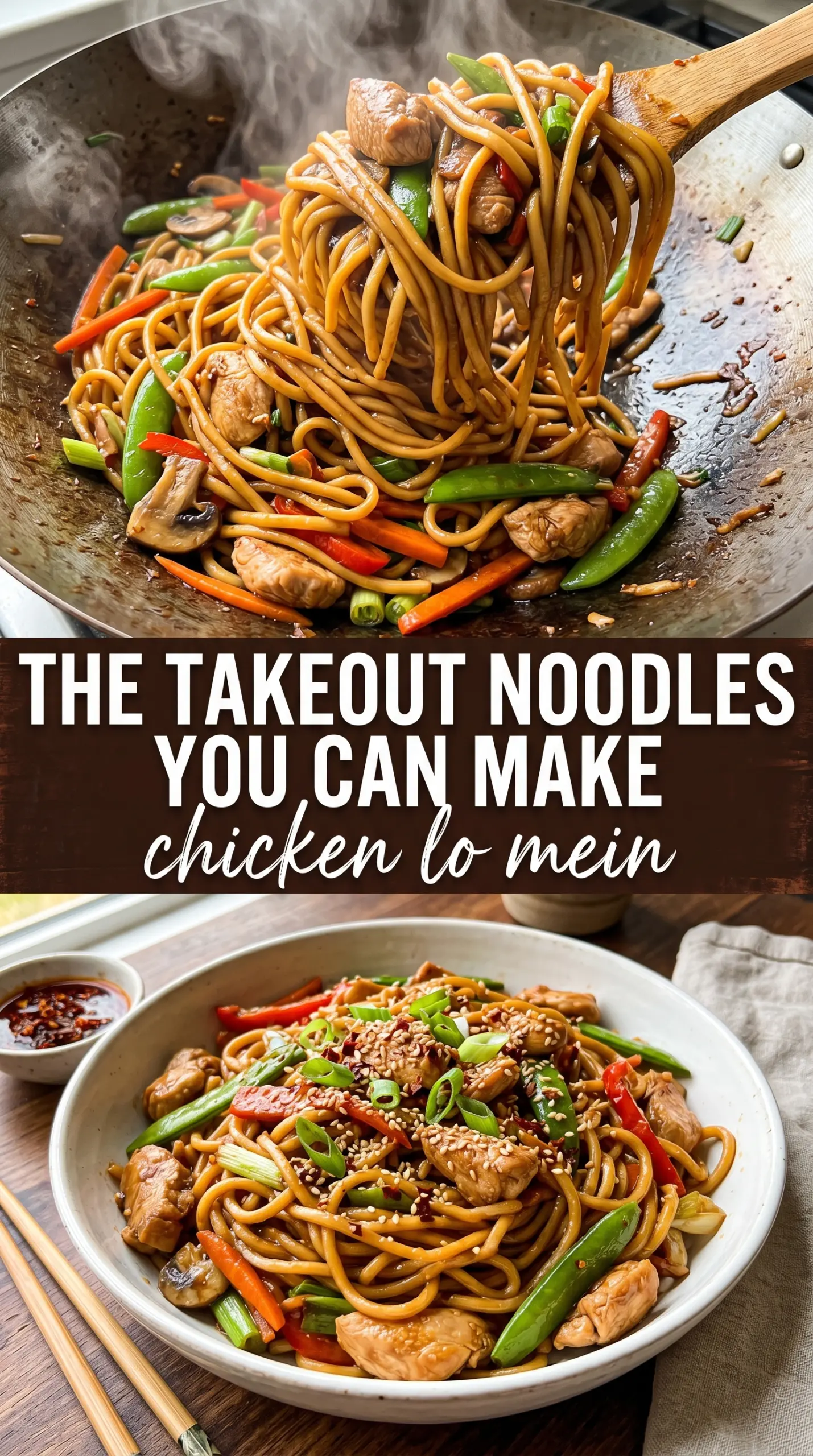
- Lo mein noodles or spaghetti — Lo mein noodles give you the most classic texture, but spaghetti holds up well and is the easiest backup if that’s what’s in the pantry. The important part is cooking them just until tender, then draining well so they don’t water down the sauce.
- Chicken breast — Thin slices cook fast and stay tender if they’re not left in the pan too long. Chicken thighs also work and bring a little more richness, but they’ll need the same quick sear.
- Oyster sauce and hoisin sauce — These two do the heavy lifting for the sauce. Oyster sauce brings depth and salt, while hoisin adds sweetness and body, which is why the sauce clings instead of running to the bottom of the bowl.
- Sesame oil — Use it twice: a little in the sauce, then a final drizzle at the end. That last hit matters because sesame oil loses some of its aroma if it gets cooked too hard.
- Bok choy, carrots, and bean sprouts — This mix gives you crunch, sweetness, and freshness. Cabbage can stand in for bok choy, and it’s a smart swap because it holds up well under high heat.
Getting the Wok Hot Before the Noodles Go In
Whisk the sauce first
Mix the soy sauce, oyster sauce, hoisin, brown sugar, and sesame oil in a small bowl before you turn on the heat. Once the pan is hot, you won’t have time to measure and stir while the garlic is waiting to burn. If the sauce looks too thick, a teaspoon of water loosens it just enough to coat the noodles more evenly.
Sear the chicken fast
Heat the vegetable oil until it shimmers, then add the thin chicken slices in a single layer. Let them sit long enough to pick up a little color before stirring, and cook only until the pink is gone. If the chicken steams instead of sears, the pan is too crowded or not hot enough, and the texture will turn soft instead of lightly browned.
Stir-fry the aromatics and vegetables
Add the remaining oil, then the garlic and ginger for about 30 seconds, just until fragrant. The smell changes fast; if the garlic starts turning brown, move on immediately or it’ll turn bitter. Add the bok choy, carrots, and bean sprouts and cook just until the bok choy looks glossy and the carrots lose their raw edge.
Toss everything until it shines
Return the chicken to the pan with the noodles and pour the sauce over the top. Use tongs to lift and toss instead of stirring in circles, because lifting helps coat the noodles without breaking them. The finished lo mein should look slick, not soupy, with sauce clinging to each strand.
How to Adapt Chicken Lo Mein Without Losing the Right Texture
Make it vegetarian
Skip the chicken and use extra cabbage, mushrooms, or broccoli for more body. The sauce already carries a lot of flavor, so the dish still tastes complete, but you’ll lose the meaty richness that chicken brings. If you go this route, brown the vegetables well so the dish doesn’t feel too light.
Make it gluten-free
Use gluten-free tamari in place of soy sauce and choose a certified gluten-free noodle. Skip regular hoisin unless the label confirms it’s gluten-free, because many versions contain wheat. The texture stays close to the original as long as the noodles are cooked just to tender.
Use spaghetti when lo mein noodles aren’t available
Spaghetti gives you a close enough shape and a dependable chew, which is why it’s the best pantry backup. Cook it one minute shy of the package time so it finishes in the pan instead of turning soft. The result is less authentic but still very good.
Storage and Reheating
- Refrigerator: Store leftovers for up to 4 days. The noodles will absorb a little more sauce as they sit, which actually helps the flavor.
- Freezer: It freezes, but the noodles soften after thawing. For the best texture, freeze only if you don’t mind a softer stir-fry.
- Reheating: Reheat in a skillet over medium heat with a splash of water or broth. The mistake is blasting it in the microwave until the noodles dry out and the chicken tightens up.
Answers to the Questions Worth Asking
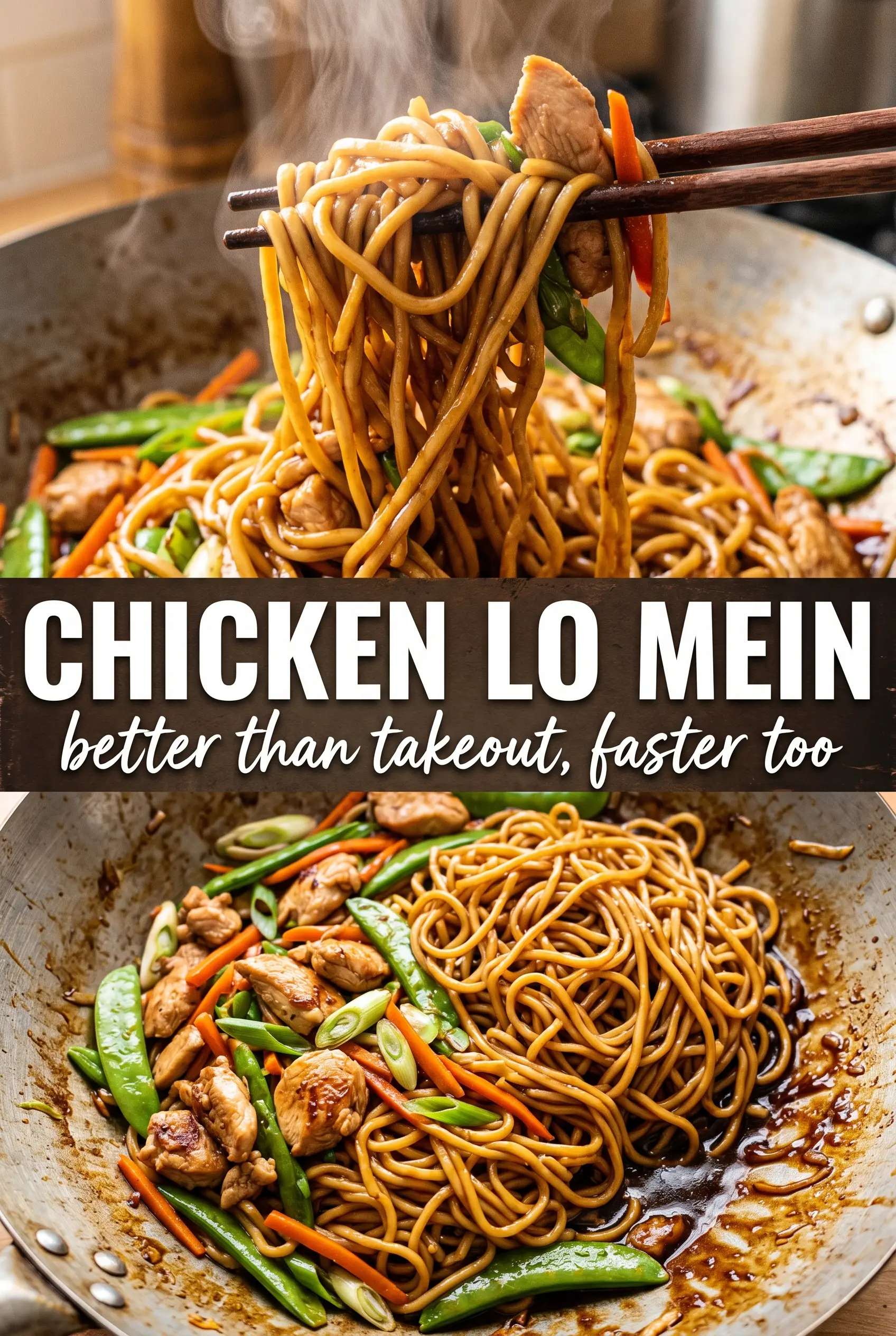
Chicken Lo Mein
Ingredients
Equipment
Method
- Whisk soy sauce, oyster sauce, hoisin sauce, brown sugar, and 1 teaspoon sesame oil together in a bowl until smooth, then set aside.
- Heat vegetable oil in a wok or large skillet over high heat, add sliced chicken, and cook 3–4 minutes until cooked through; remove and set aside.
- In the same wok, add the remaining oil and stir-fry minced garlic and grated ginger for 30 seconds until fragrant.
- Add bok choy or cabbage, shredded carrots, and bean sprouts, then cook for 3 minutes until crisp-tender.
- Return the chicken to the wok, add the cooked noodles, and pour the sauce over everything.
- Toss over high heat for 2 minutes until noodles are evenly coated and heated through.
- Drizzle with the remaining sesame oil, top with green onions and sesame seeds, and serve immediately.