Pumpkin spice monkey bread bakes up with a sticky caramel shell, soft pull-apart centers, and just enough pumpkin warmth to make every piece taste like it came from a bakery case. The best bites are the ones from the edges of the bundt pan, where the sugar turns deep amber and the biscuit pieces catch a little crunch before giving way to a tender middle.
What makes this version work is the balance between the coating and the sauce. The biscuit pieces get tossed in spiced sugar first, which helps the cinnamon and pumpkin pie spice cling instead of sinking into the pan. Then the pumpkin-brown sugar caramel is poured over the layered dough, so it bakes into the bread instead of sitting on top like a separate topping. The cream cheese glaze goes on warm bread, not piping hot bread, so it drapes over the ridges without melting away completely.
Below, I’ll walk through the one part that matters most if you want clean layers, plus the little timing details that keep the glaze glossy and the center baked through.
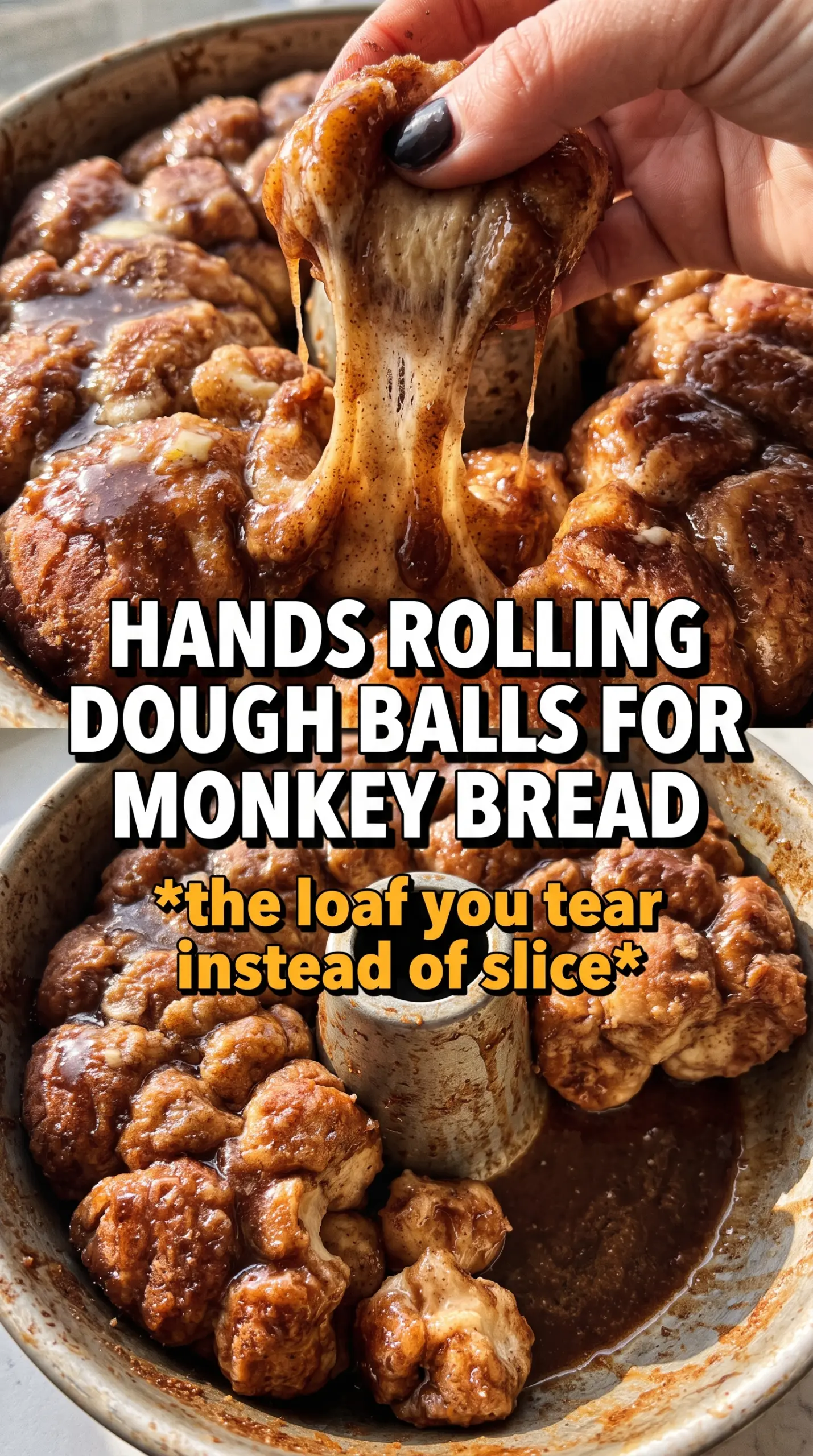
The caramel soaked into every layer and the center baked up fluffy, not doughy. I let it rest for about 5 minutes before flipping, and it came out of the bundt pan in one perfect piece.
Save this pumpkin spice monkey bread for a pull-apart breakfast with caramelized edges and cream cheese glaze.
The Trick to Keeping the Monkey Bread Tender, Not Gummy
Monkey bread goes wrong when the dough pieces are packed too tightly or the sauce is too thin to coat evenly. You want enough room for the heat to move through the pan, which is why quartering the biscuits matters here. Smaller pieces create more edges, more surface area for the sugar, and a better chance that the caramel seeps through instead of pooling in one heavy layer at the bottom.
The other thing to watch is the bake time. If the top looks browned before the center is done, the pan probably needs a few extra minutes, and that’s normal with bundt-style breakfast breads. A skewer should come out with only a few moist crumbs, not raw dough. If it comes out wet, the middle is still underbaked and will collapse when you invert it.
What Each Ingredient Is Actually Doing in This Pan
- Refrigerated biscuit dough — This is the shortcut that gives you the pull-apart structure without a long yeast rise. The dough bakes up soft and fluffy, but it also holds the caramel well. If you want the best texture, use standard biscuit dough, not flaky layers, because flaky biscuits can separate too much and bake unevenly in the center.
- Pumpkin pie spice, cinnamon, and nutmeg — These spices do different jobs. Pumpkin pie spice brings the familiar autumn note, cinnamon gives warmth, and nutmeg adds a deeper edge that keeps the coating from tasting flat. If you’re missing nutmeg, leave it out before you replace it with something stronger; too much clove or allspice can take over.
- Pumpkin puree — This is what makes the caramel sauce taste like pumpkin instead of just spiced brown sugar. It also adds body, which helps the sauce cling to the dough instead of sliding to the bottom of the pan. Use plain pumpkin puree, not pumpkin pie filling, or the bread will turn overly sweet and spiced in a way you can’t balance back out.
- Cream cheese — The glaze needs the tang to cut through the sticky sweetness. Softened cream cheese blends smoother, but if yours is still a little cool, beat it longer with the milk before adding the sugar. That keeps the glaze from turning lumpy on warm bread.
Layering the Pan So the Caramel Bakes Through Every Piece
Cutting the Dough Into Even Pieces
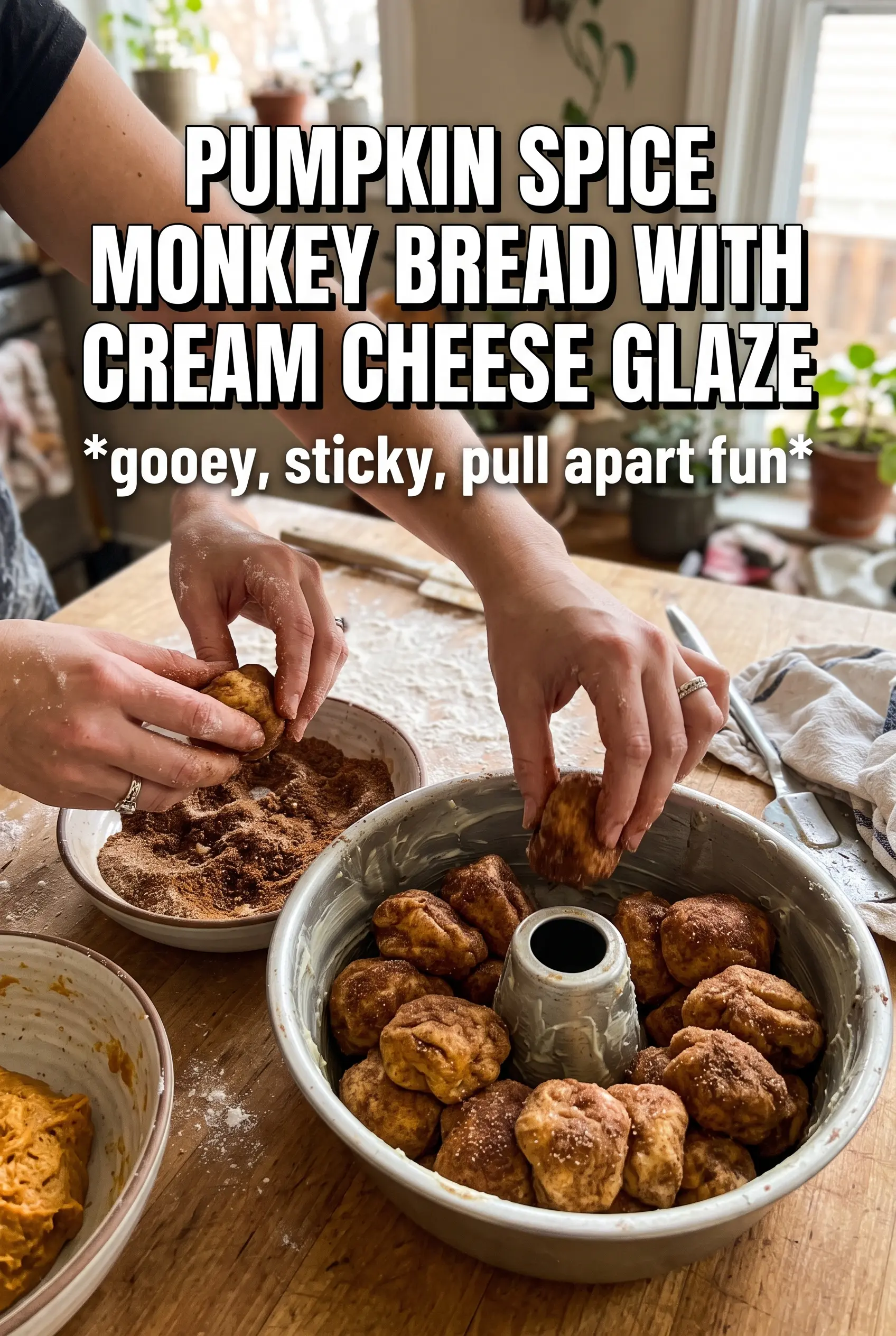
Quarter each biscuit before you coat it. Pieces that are close in size bake at the same rate, which keeps the center from ending up raw while the edges overbake. Toss them gently in the sugar mixture until every side is dusty with spice and sugar; if there are bare spots, those pieces will taste plain next to the coated ones.
Building the Caramel Base
Melt the butter first, then stir in the brown sugar, pumpkin puree, and spices until the mixture looks smooth and glossy. It should be thick enough to coat a spoon, not watery. If you rush this and the sugar doesn’t dissolve a bit, the sauce can turn gritty after baking instead of settling into a sticky glaze.
Stacking for Even Baking
Layer the coated biscuit pieces into the bundt pan and pour the caramel sauce over the top as evenly as you can. Don’t press the dough down hard; leave a little space so the heat can circulate. The batter-like crowding people worry about here is usually just too much compression, not too much dough. A loose pack gives you tall, pull-apart ridges after the flip.
Knowing When It’s Done
Bake until the top is deep golden and the center no longer looks wet or doughy. If the top browns too fast, tent loosely with foil for the last part of the bake. As soon as it comes out, invert it onto a plate while it’s still hot enough to release cleanly. Waiting too long lets the caramel set in the pan, and that’s when pieces start sticking.
Maple Bourbon Swap
Replace half the brown sugar in the caramel with maple syrup and add 1 tablespoon bourbon. You’ll get a deeper, less candy-like sweetness and a glaze that tastes a little more grown-up, but the sauce will be slightly looser and needs a few extra minutes in the oven to set up.
Dairy-Free Version
Use plant-based butter in the caramel and a dairy-free cream cheese for the glaze. The texture stays close to the original, though the glaze will be a little softer and less tangy. Choose a dairy-free cream cheese with enough body to hold its shape once it hits the warm bread.
Gluten-Free Shortcut
Use gluten-free refrigerated biscuit dough if you can find it. The method stays the same, but gluten-free dough usually needs a little more handling because it can be softer and stickier. Bake until the center is fully set, since it won’t have quite the same springy pull as wheat-based dough.
Extra-Sticky Caramel Edges
For a gooier finish, sprinkle a few tablespoons of brown sugar in the bottom of the greased bundt pan before adding the biscuit pieces. That creates a candy-like edge after inversion, but it also makes release a little trickier, so let the bread rest just long enough to settle before flipping.
Storage and Reheating
- Refrigerator: Store covered for up to 3 days. The bread softens as it sits, and the glaze will absorb a little into the top.
- Freezer: Freeze the unglazed bread in slices or chunks for up to 2 months. Wrap tightly, then thaw in the fridge before warming and glazing. The glaze doesn’t freeze as well as the bread.
- Reheating: Warm individual pieces in the microwave for 15 to 20 seconds, or reheat the whole bread covered with foil at 300°F until just warmed through. Don’t overheat it or the caramel will get tough instead of sticky.
Questions I Get Asked About This Recipe
Pumpkin Spice Monkey Bread With Cream Cheese Glaze
Ingredients
Equipment
Method
- Preheat the oven to 350F and grease a bundt pan so the monkey bread releases cleanly.
- Cut the refrigerated biscuit dough into quarters so the pieces can coat evenly and bake through.
- Mix the spiced sugar coating ingredients together, then toss the biscuit pieces until fully coated and visibly speckled.
- Make caramel sauce by melting the unsalted butter, then stirring in brown sugar, pumpkin puree, pumpkin pie spice, and cinnamon until smooth and glossy.
- Layer the coated biscuit pieces in the bundt pan, leaving a packed layer that will hold together when flipped.
- Pour the caramel sauce over the layered biscuits so it seeps into gaps and pools slightly at the top.
- Bake for 30-35 minutes at 350F until deeply golden and cooked through with caramel bubbling around the edges.
- Invert immediately onto a serving plate so the caramel sets in place and the pull-apart pieces stay intact.
- Beat the cream cheese glaze ingredients smooth, then drizzle over the warm monkey bread while it is still glossy.