Penne coated in a rusty-red Cajun cream sauce has a way of disappearing fast, especially when the chicken is deeply seasoned and the peppers still keep a little bite. This version earns its place because the sauce clings instead of pooling, the chicken gets a hard sear before it ever touches the cream, and the parmesan finishes the sauce with just enough body to coat every noodle.
The trick is splitting the Cajun seasoning between the chicken and the sauce. That builds flavor in layers instead of leaving the whole dish depending on one salty blast at the end. The pasta water matters too; a splash loosens the sauce just enough to help it wrap around the penne without turning thin or greasy.
Below, I’ve added the exact moment to pull the chicken so it stays juicy, plus a few swaps that still keep the sauce balanced if you need to adjust for what’s in your kitchen.
The sauce thickened up perfectly and coating the penne with that Cajun cream flavor was spot on. I added a splash of pasta water at the end and it clung to every bite instead of getting heavy.
Save this Creamy Cajun Chicken Pasta for nights when you want a bold sauce, seared chicken, and dinner on the table fast.
Why the Chicken Needs a Hard Sear Before the Sauce Goes In
The best flavor in this pasta starts long before the cream hits the pan. High heat gives the chicken those dark, seasoned edges that taste a little smoky and keep the dish from reading flat. If you crowd the skillet, the chicken steams and the Cajun seasoning turns muddy instead of crisping against the surface.
The other mistake is adding the cream before the pan has been used properly. Those browned bits left behind after searing are the backbone of the sauce, and they dissolve into the broth and cream as soon as they hit the liquid. That is where the deep, savory taste comes from. A quick sear, then a proper deglaze, changes everything.
What Each Ingredient Is Actually Doing in This Dish
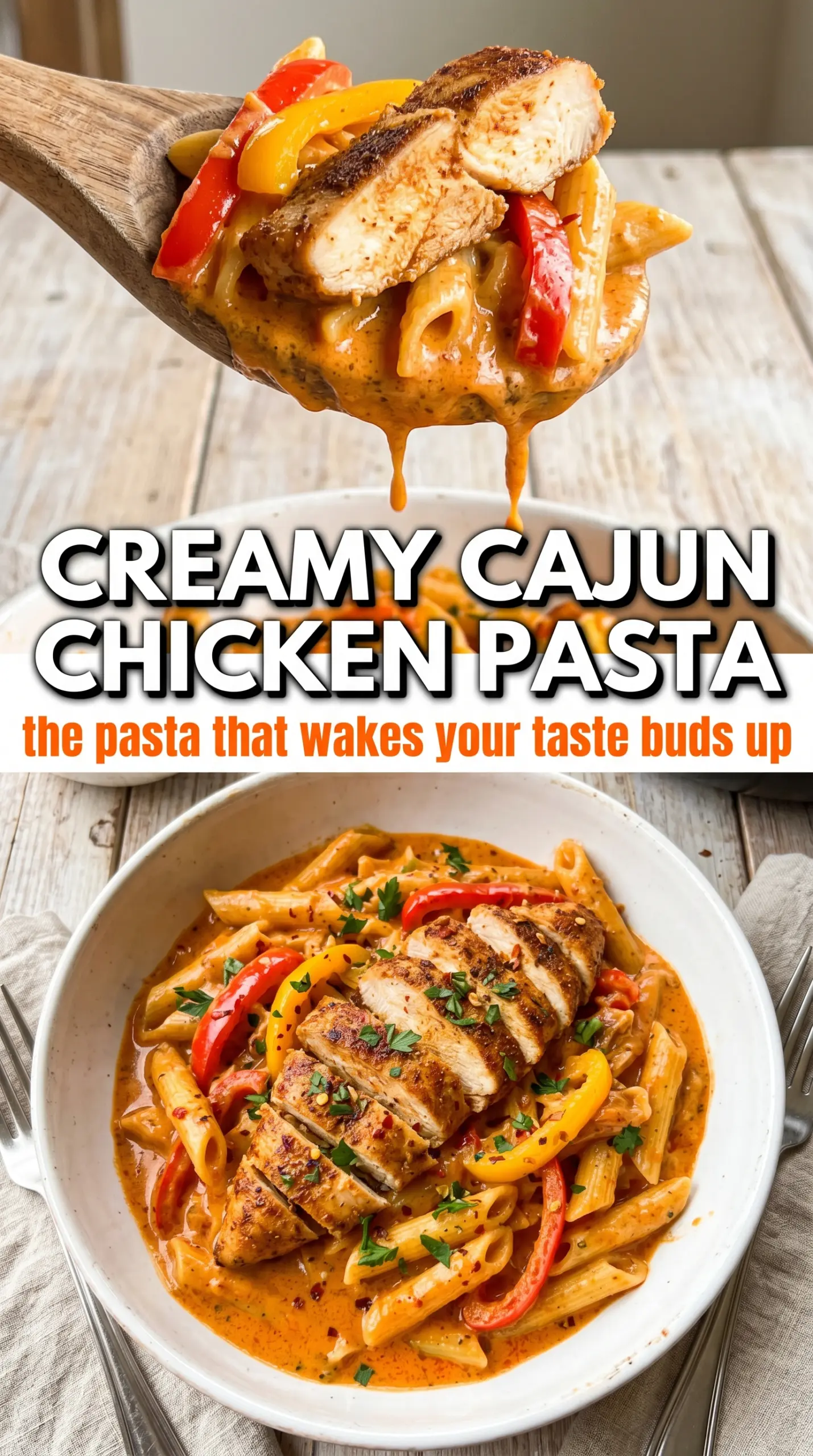
- Chicken breast — Slicing it into strips gives you more surface area for browning and keeps the cooking time short. If you use thighs, the dish gets a little richer and more forgiving, but breast meat stays classic here and picks up the seasoning cleanly.
- Cajun seasoning — This is the backbone of the whole dish, so use one you like the taste of on its own. If yours is very salty, hold back on extra salt until the sauce is finished.
- Heavy cream — This is what gives the sauce its body and helps it stay smooth under heat. Half-and-half can work in a pinch, but the sauce will be thinner and more likely to separate if you boil it hard.
- Parmesan — Freshly grated parmesan melts more smoothly and helps the sauce thicken without turning gluey. Pre-shredded cheese often has anti-caking agents, which can leave the sauce a little grainy.
- Pasta water — The starch in the cooking water helps the sauce cling to the penne instead of sliding off. Add it a splash at a time at the very end, after the cheese has melted.
The 20 Minutes That Actually Matter
Season and Sear the Chicken
Toss the chicken strips with half the Cajun seasoning until every piece looks evenly coated. Heat the oil in a large skillet over high heat, then lay the chicken in without packing the pan tight. You want a deep brown crust on the outside and just-cooked meat inside; if the pan is crowded, the chicken will go pale and release juice before it has a chance to brown.
Build the Pepper Base
Use the same skillet without wiping it out. The butter picks up the browned bits left from the chicken, and the peppers soften in that flavor right away. Cook them until the edges just start to blister and the pan smells sweet, then add the garlic and remaining seasoning for only a minute so the garlic stays fragrant instead of bitter.
Simmer the Cream Sauce
Pour in the chicken broth first and scrape the bottom of the pan well, then add the cream and let the mixture bubble gently. A hard boil can make cream taste flat and can push the sauce toward breaking, so keep the heat at a calm simmer. After a few minutes, the sauce should look slightly thickened and coat the back of a spoon.
Finish With Pasta and Cheese
Stir in the parmesan off the strongest heat, then add the drained pasta and chicken back to the pan. If the sauce looks tight, loosen it with a little reserved pasta water until it turns glossy and clings to the noodles. The finished dish should look creamy and coated, not soupy and not dry; parsley goes on last for freshness and color.
How to Adapt This for a Few Different Kitchens
Make It Gluten-Free Without Losing the Sauce
Use your favorite gluten-free penne and cook it just to al dente, because it will soften a little more once it hits the sauce. The sauce itself is naturally gluten-free as written, so the main thing to watch is the pasta texture and a generous reserve of pasta water in case the noodles drink up more liquid than expected.
Swap in Chicken Thighs for a Richer Result
Boneless thighs bring a deeper, juicier bite and hold up well if you like a little more forgiveness on the stove. They may need an extra minute or two to brown, but the payoff is meat that stays tender even after it simmers in the sauce.
Dial Back the Heat Without Losing the Cajun Character
Use a mild Cajun blend or start with a little less seasoning on the chicken and add more to taste in the sauce. You still get the paprika, garlic, and savory backbone of the dish, just without the sharper pepper bite that can overwhelm the cream.
Make It Dairy-Free
Use unsweetened coconut cream or an unsweetened plain dairy-free cooking cream and leave out the parmesan unless you have a dairy-free version that melts well. The sauce will taste a little different and less sharp, but it still gives you a rich, spoon-coating finish if you keep the simmer gentle.
Storage and Reheating
- Refrigerator: Store in an airtight container for up to 4 days. The sauce thickens as it chills, so the pasta will look a little tighter the next day.
- Freezer: It freezes, but cream sauces can separate slightly after thawing. If you do freeze it, cool it completely first and use it within 2 months for the best texture.
- Reheating: Warm it gently on the stovetop over low heat with a splash of broth, milk, or water. High heat is the fastest way to make the sauce oily or grainy.
Answers to the Questions Worth Asking
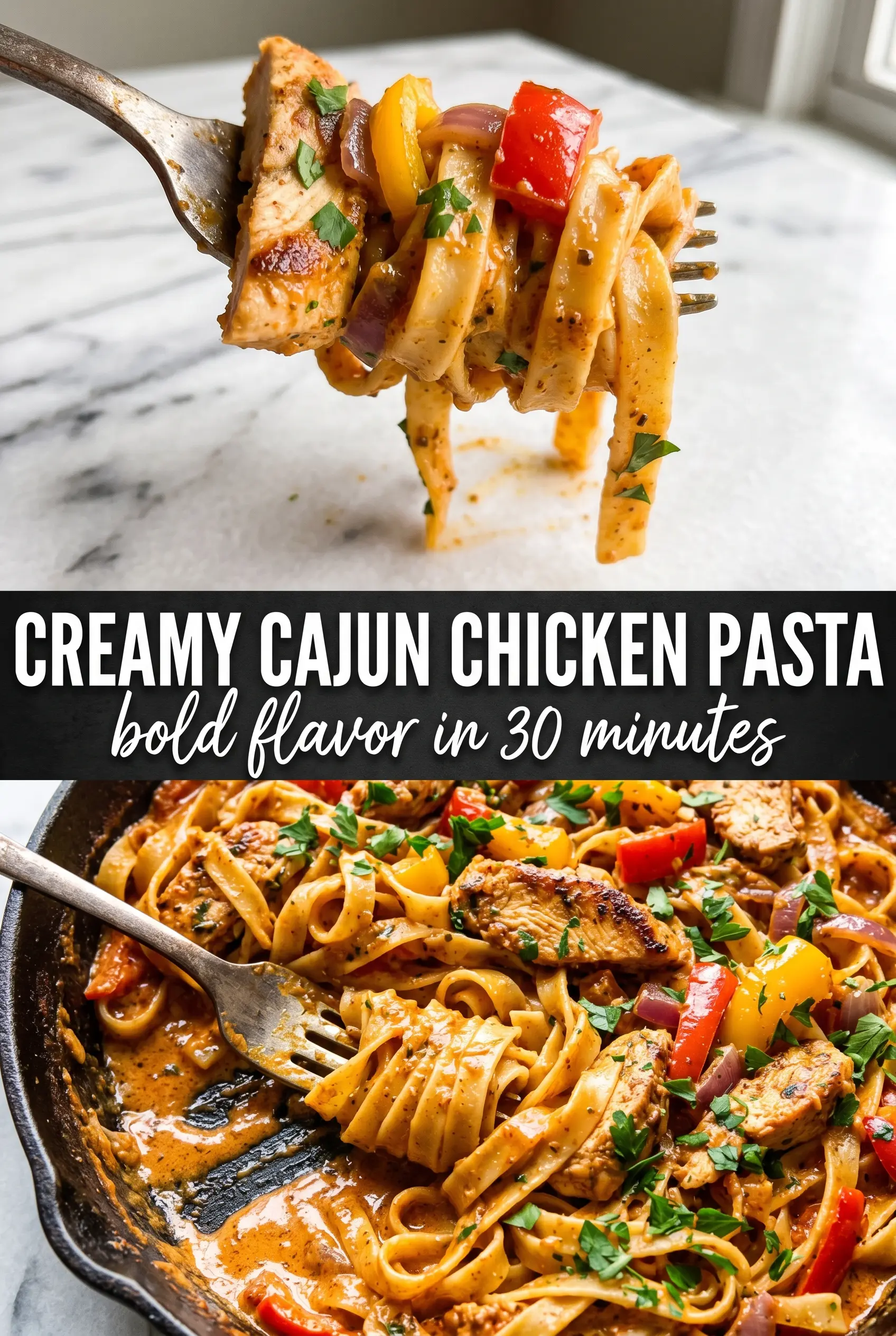
Creamy Cajun Chicken Pasta
Ingredients
Equipment
Method
- Bring a large pot of salted water to a rolling boil, then cook the penne until al dente, about 8–11 minutes. Reserve 1/2 cup pasta water, then drain and set aside.
- Toss the chicken strips with 1 tbsp Cajun seasoning. Heat olive oil in a large skillet over high heat, then sear the chicken for 4–5 minutes until deeply blackened and cooked through; set aside.
- Melt butter in the same skillet, then sauté the red and yellow bell peppers for 3–4 minutes until they start to char. Add minced garlic and the remaining 1 tbsp Cajun seasoning, and cook for 1 minute until fragrant.
- Add chicken broth and heavy cream, then simmer for 4–5 minutes until slightly thickened. Stir in parmesan until melted and smooth, then toss with the drained pasta and reserved chicken.
- Add reserved pasta water a splash at a time as needed to coat the penne and loosen the sauce. Serve immediately, topped with fresh parsley.