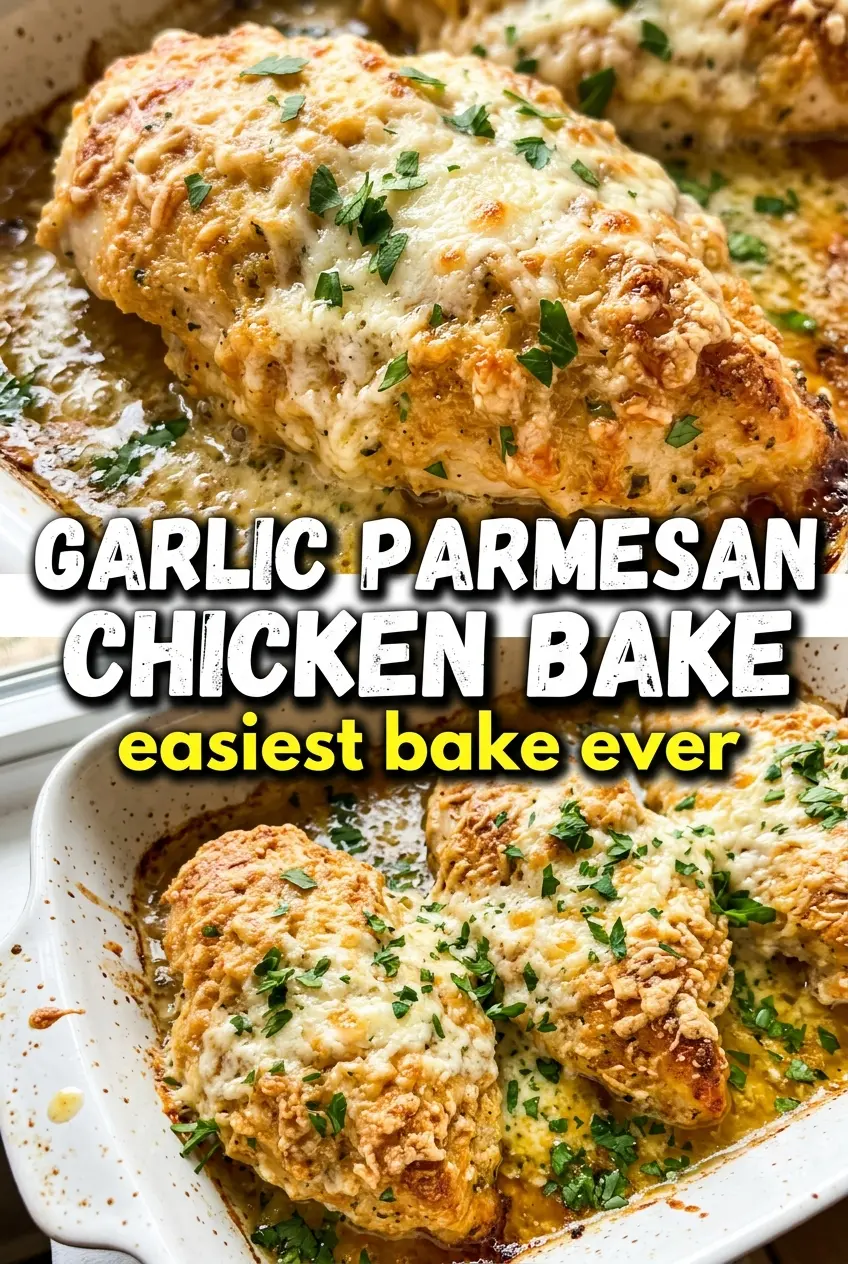
Golden, crackled Parmesan on top and juicy chicken underneath is the kind of dinner that disappears fast. The crust bakes into a savory, garlicky shell that keeps the chicken covered and moist, while the panko adds just enough crunch to keep every bite from feeling heavy. It looks like you spent more time on it than you did.
The trick is in the layering. Butter and garlic go on first so the seasoning has something to cling to, then the Parmesan mixture gets pressed on firmly enough to stay put in the oven. Freshly grated Parmesan matters here because it melts and browns more cleanly than the shelf-stable stuff, and a hot oven helps the topping set before the chicken dries out.
Below, I’ll walk through the part that makes the biggest difference: how to get that crust evenly browned without overcooking the chicken. I’ve also included a few swaps for different diets and a couple of fixes for the most common topping problems.
The Parmesan crust browned up beautifully and stayed on the chicken instead of sliding off. I used a meat thermometer at 25 minutes and the breasts were juicy with just the right crisp edge.
Save this Garlic Parmesan Chicken Bake for the nights when you want a golden crust, juicy chicken, and almost no cleanup.
The Crust Stays Put When You Press, Not Sprinkle
The biggest mistake with a baked chicken topping is treating it like a dry breadcrumb coating. That gives you patchy coverage and a crust that falls off as soon as you cut into it. Here, the butter acts as both flavor and glue, and the Parmesan mixture needs to be pressed onto the chicken with actual pressure so it forms a continuous layer. The oven heat then sets that layer into the crackled top you want.
- Pressing matters more than piling. A thick, even layer browns better than a loose mound of topping.
- The chicken needs to be in a single layer. If the pieces touch, they steam and the crust softens underneath.
- Watch the color, not just the clock. Deep gold at the edges is your cue that the cheese has crisped.
- Use a thermometer for the finish. Chicken breasts go dry fast once they push past 165°F.
What the Parmesan, Panko, and Butter Each Bring to the Dish
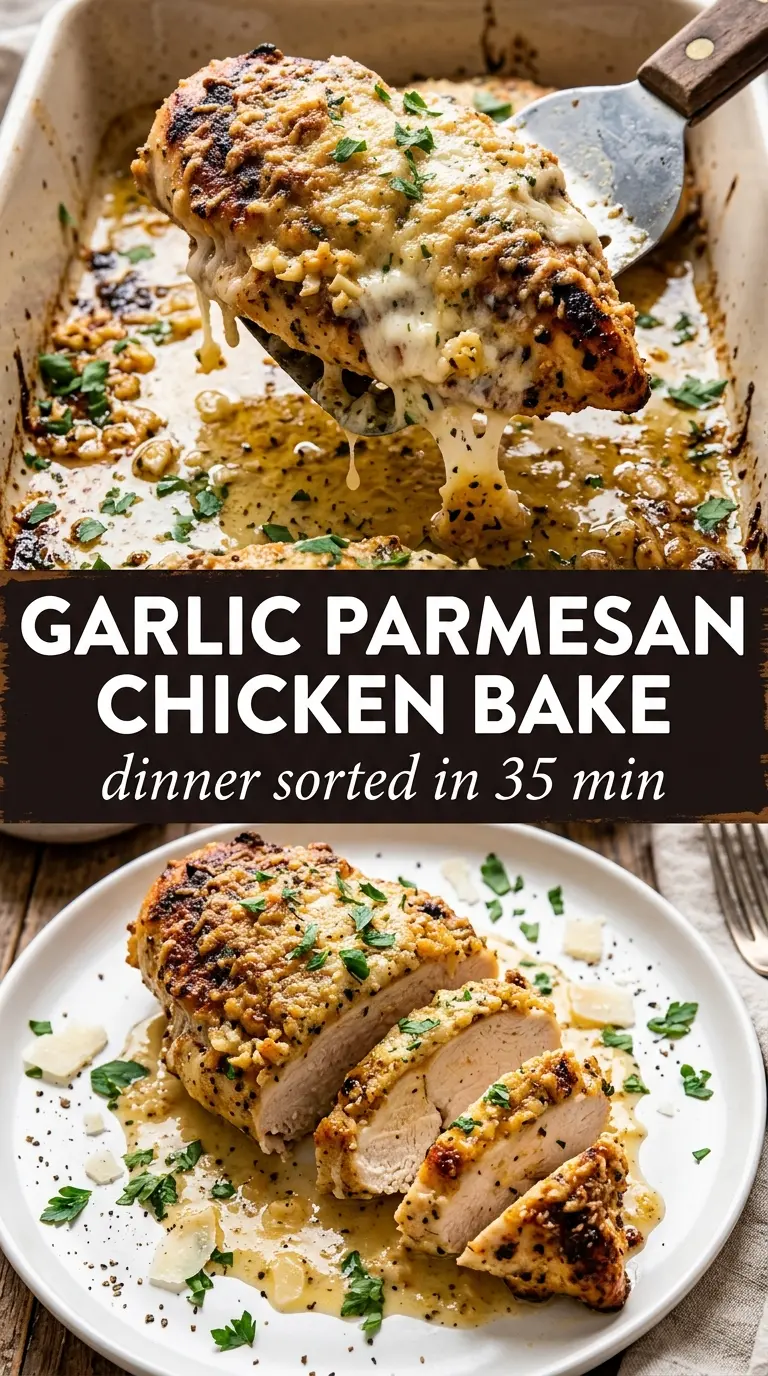
- Chicken breasts — Boneless skinless breasts are the right blank canvas here because they stay neat under the topping and cook in the same time as the crust. If yours are very thick, pound them to an even thickness so the edges don’t dry out while the centers finish.
- Butter — Melted butter carries the garlic and helps the topping adhere. You can swap in olive oil in a pinch, but you’ll lose some of that rich, browned finish.
- Freshly grated Parmesan — This is the ingredient worth spending on. Pre-grated cheese often contains anti-caking agents that keep it from melting into the same crisp, lacy crust.
- Panko breadcrumbs — Panko keeps the crust light instead of pasty. Regular breadcrumbs work, but the topping will be denser and less shattery.
- Garlic — Fresh garlic gives the topping its bite. Garlic powder alone will taste flatter, so if you need to substitute, keep at least some fresh garlic in the butter.
How to Get the Chicken Juicy and the Crust Deeply Golden
Seasoning and Setting the Base
Start by seasoning the chicken directly in the baking dish so the salt, pepper, and garlic powder hit the meat, not just the surface of the topping. The baking dish should hold the breasts in one layer with a little space around each piece. If the chicken is crowded, the bottom stays pale and the crust on top takes too long to brown. A quick brush of garlic butter before the topping goes on gives the coating something rich to cling to.
Making the Topping
Mix the Parmesan, panko, Italian seasoning, dried parsley, and smoked paprika until the color looks even. The smoked paprika is subtle, but it deepens the color and adds a little warmth that plain garlic and cheese don’t have on their own. Once the buttered chicken is covered, press the topping down firmly with your fingers or the back of a spoon. Loose topping sheds; compressed topping bakes into a proper crust.
Baking to the Right Finish
Bake at 400°F until the crust is deeply golden and the thickest part of the chicken reaches 165°F. If the top browns before the chicken is done, lay a loose piece of foil over the dish for the last few minutes. Don’t seal it tightly or you’ll trap steam and soften the crust. Let the chicken rest for a few minutes before serving so the juices settle back into the meat.
How to Adapt This for Different Tables
Make It Gluten-Free
Swap the panko for gluten-free breadcrumbs with a similar coarse texture. Almond flour won’t give you the same crisp, browned crust, so breadcrumbs are the better stand-in if you want the topping to stay crunchy instead of sandy.
Make It Dairy-Free
Use olive oil or a plant-based butter and swap in a dairy-free Parmesan-style topping that grates fine. The crust will still brown, but it won’t have the same salty, nutty finish as real Parmesan, so season a little more assertively.
Use Chicken Thighs Instead
Boneless skinless thighs work well if you want richer meat and a little more forgiveness on timing. They may need a few extra minutes in the oven, but they’re less likely to dry out than breasts and stay juicy under the topping.
Storage and Reheating
- Refrigerator: Store leftovers in an airtight container for up to 3 days. The crust will soften, but the flavor holds well.
- Freezer: It freezes, but the topping loses some of its crunch. Wrap tightly and freeze for up to 2 months, then thaw in the refrigerator before reheating.
- Reheating: Reheat in a 350°F oven, uncovered, until warmed through. The microwave makes the crust soggy and can push the chicken from juicy to rubbery in a hurry.
Questions I Get Asked About This Recipe
Garlic Parmesan Chicken Bake
Ingredients
Equipment
Method
- Preheat oven to 400°F and grease a 9x13 baking dish so the chicken releases easily.
- Season the chicken breasts with salt, pepper, and garlic powder, then place them in the prepared baking dish in a single layer.
- Mix melted butter with minced garlic, then brush generously over each chicken breast so the topping sticks as it bakes.
- Combine Parmesan cheese, panko breadcrumbs, Italian seasoning, dried parsley, and smoked paprika, then press firmly over the buttered chicken to coat completely.
- Bake at 400°F for 25-30 minutes until the Parmesan crust is deeply golden and a thermometer reads 165°F in the thickest part.
- Garnish with fresh parsley and serve with lemon wedges so the finished chicken has bright, fresh contrast.