Orzo salad lands in that sweet spot between fresh and substantial. The tiny pasta catches the lemon vinaigrette in every bite, while the cucumber, tomatoes, herbs, and red onion keep it bright and crisp instead of heavy or soggy. It holds up well on a buffet, but it also disappears fast at lunch because it eats like a full meal without feeling weighed down.
What makes this version work is the balance. The orzo gets rinsed after cooking so it cools quickly and stays loose, the dressing is sharp enough to wake up the pasta, and the herbs are generous enough to give every forkful a clean, green finish. Mint is the detail that keeps it from tasting flat; parsley brings the familiar backbone, while lemon zest makes the whole bowl smell fresh before you even take a bite.
Below, I’ll show you the one step that keeps the salad from clumping as it chills, plus a few smart swaps if you want to lean it more creamy, more briny, or fully dairy-free.
The lemon dressing soaked into the orzo after chilling, and it stayed fluffy instead of gummy. I added feta on top right before serving and it tasted even better the next day.
Save this lemon orzo salad for the days when you want a chilled side dish that tastes bright, herby, and fresh from the first bite to the last.
The Trick to Keeping Orzo Salad Light Instead of Sticky
Orzo has a tendency to clump as it cools, and that’s usually what turns a promising pasta salad into one dense scoop. Rinsing it under cold water stops the cooking and washes off enough surface starch to keep the grains separate. That step matters here because the dressing is meant to coat the pasta, not fight through a sticky mass.
The other thing that helps is timing. Toss the dressing with the orzo while it’s still dry on the outside but fully cooled, then let the salad rest in the refrigerator for at least an hour. The pasta absorbs the lemon and garlic, the vegetables stay crisp, and the herbs settle into the bowl instead of floating on top.
- Rinsed orzo — This keeps the texture loose. If you skip the rinse, the starch on the surface tightens up as it cools and the salad gets gummy.
- Fresh lemon zest — Zest gives the salad its brightest lemon note. Juice alone tastes sharp; zest adds the fragrant citrus oil that makes the dressing taste complete.
- Mint and parsley — Parsley gives structure, but mint is what makes this taste clean and Mediterranean instead of just pasta with vegetables. Don’t replace both with dried herbs.
- Red onion — Finely diced onion gives bite without overwhelming the bowl. If yours is strong, soak it in cold water for 10 minutes and drain well.
What Each Ingredient Is Doing in the Bowl
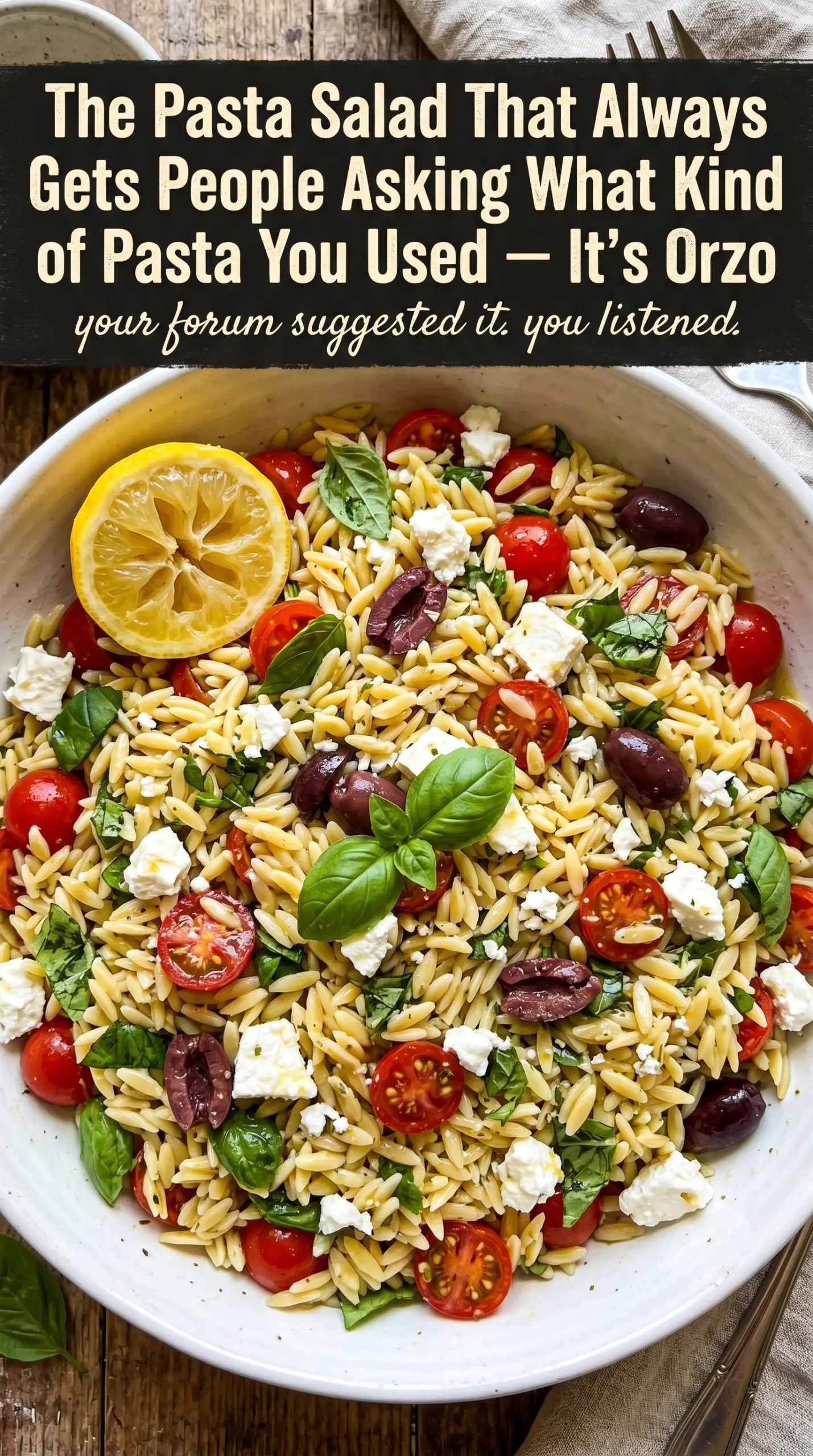
- Orzo — This is the base that carries the dressing. Regular pasta can work in a pinch, but orzo gives you those small spoonable bites that make the salad feel lighter.
- Cherry tomatoes — They bring sweetness and juice. Halve them so they release a little flavor into the salad without flooding the bowl.
- Cucumber — Use a firm cucumber with the seeds mostly intact for the best crunch. If it’s watery, scoop out the center so the salad doesn’t loosen too much as it sits.
- Olive oil — A good extra-virgin olive oil matters here because there’s nowhere to hide a flat one. It’s carrying the dressing, so you want it to taste clean and peppery.
- Feta — Optional, but worth using if you want a salty finish. Add it at the end so it stays crumbly instead of melting into the dressing.
Building the Salad So Every Bite Stays Bright
Cooking the Orzo
Cook the orzo in well-salted water until it’s just tender, then drain it right away. If it goes too far, it turns soft once it chills and loses the little bit of bite that keeps the salad interesting. Rinse it under cold water until it’s no longer steaming, then drain it well so the dressing doesn’t get watered down.
Whisking the Dressing
Mix the olive oil, lemon juice, zest, garlic, salt, and pepper in a bowl before anything else goes in. You want the garlic dispersed evenly so no one bites into a raw clump, and you want the lemon fully blended with the oil so the dressing coats instead of pooling at the bottom. Taste it now; once it hits the pasta, the seasoning gets softened.
Combining and Chilling
Add the cooled orzo, tomatoes, cucumber, onion, parsley, and mint to a large bowl, then pour the dressing over the top and toss until everything looks evenly glossy. The salad needs that hour in the fridge because the flavor settles in as it chills. Give it one more toss before serving, since some of the dressing will settle near the bottom.
Finishing Before Serving
Top with feta right before the salad goes to the table if you’re using it. That keeps the cheese distinct and creamy instead of dissolving into the dressing. If the salad looks a little dry after chilling, add a small splash of olive oil and a squeeze of lemon, then toss again.
How to Adapt This for Different Tables and Tastes
Dairy-Free Lemon Orzo Salad
Leave out the feta and add an extra pinch of salt at the end. The salad still tastes complete because the lemon, herbs, and olive oil carry the flavor, and skipping the cheese keeps the texture cleaner and brighter.
Add Chickpeas for a Heartier Bowl
Fold in a drained can of chickpeas with the vegetables if you want this to eat more like a lunch salad. They soak up the lemon dressing well and add enough protein to make the dish more filling without changing the fresh feel.
Swap the Herbs Based on What You Have
If you don’t have mint, use more parsley and add a small amount of dill for a different kind of freshness. Dill pushes the salad in a cooler, tangier direction, while skipping the mint entirely makes it less fragrant but still balanced.
Make It Gluten-Free
Use a gluten-free orzo or another small gluten-free pasta shape and cook it just until tender. Gluten-free pasta can go mushy fast, so pull it early and rinse well to keep the salad from turning soft as it chills.
Storage and Reheating
- Refrigerator: Store covered for up to 4 days. The herbs soften a little, but the flavor gets better by day two.
- Freezer: This doesn’t freeze well. The cucumber and tomatoes break down and the pasta turns soft after thawing.
- Reheating: Serve it cold or at cool room temperature. If it has been in the fridge for a while, loosen it with a small splash of olive oil and lemon juice, then toss gently instead of warming it.
Questions I Get Asked About This Recipe
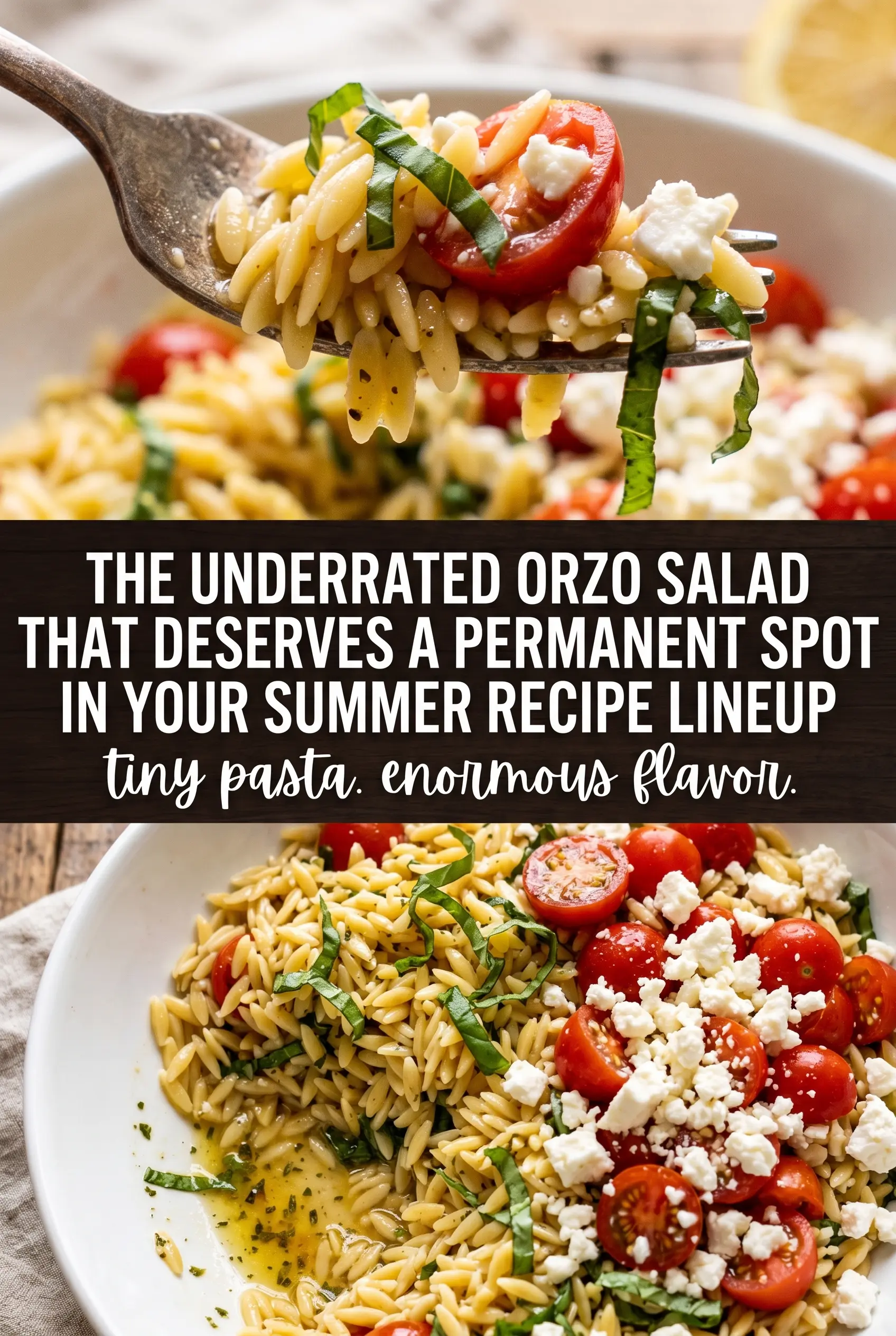
Orzo Salad
Ingredients
Equipment
Method
- Cook orzo according to package directions, then drain and rinse under cold water to stop the cooking.
- Transfer the rinsed orzo to a sheet pan and spread it in an even layer so it cools quickly before mixing.
- Whisk olive oil, lemon juice, lemon zest, garlic, salt, and pepper until the dressing looks uniform and fragrant.
- In a large bowl, combine the orzo, cherry tomatoes, cucumber, red onion, parsley, and mint.
- Pour the lemon vinaigrette over the salad and toss until everything is evenly coated and lightly glossy.
- Refrigerate for at least 1 hour so the flavors meld and the salad stays crisp.
- Top with crumbled feta if desired, then serve chilled for a fresh, herb-forward finish.