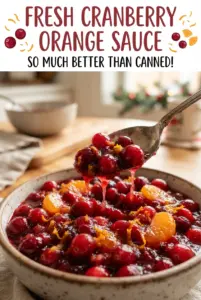
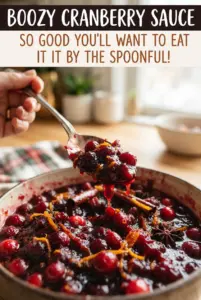
Bright cranberry sauce with fresh orange juice and juicy orange segments turns a simple side dish into the part everyone reaches for first. The cranberries cook down into a glossy, spoonable sauce with enough body to mound on a plate, while the orange keeps the whole thing tasting fresh instead of flat or overly sweet. It’s the kind of recipe that earns its spot because it tastes clean, balanced, and a little more alive than the jarred version.
The trick is starting with orange juice instead of water. That gives the berries a deeper citrus base from the first minute, and the sugar dissolves into something more rounded as it boils. I also add the zest off the heat so the orange stays fragrant instead of tasting cooked, then fold in the orange segments once the sauce has cooled slightly so they keep their shape.
Below, you’ll find the one timing detail that keeps the citrus bright, plus a few smart swaps if your oranges are extra tart or you want to make the sauce ahead.
The cranberries burst right on schedule and the orange stayed bright instead of getting lost. I made it a day ahead and it thickened into the perfect spoonable texture.
Save this fresh cranberry orange sauce for the side dish that brings bright citrus and juicy berry texture to the table.
The Part Most People Miss: Letting the Berries Burst Before the Zest Goes In
Cranberry sauce can go from sharp to balanced fast, and the biggest mistake is overthinking it too early. The berries need enough heat to burst and thicken the juices, but the orange zest belongs at the end because its oils fade and turn dull if they boil for too long. If your sauce tastes thin, it usually just needs the full simmer time; cranberry sauce thickens as it cools, so don’t judge it only by the moment it comes off the stove.
This version also leans on the fruit itself for structure. Once enough cranberries burst, the pectin in the skins helps the sauce set without any cornstarch. That’s why a short, steady simmer works better than a hard boil, which can split the fruit into mush before the sauce has a chance to develop body.
What Each Ingredient Is Actually Doing in This Sauce
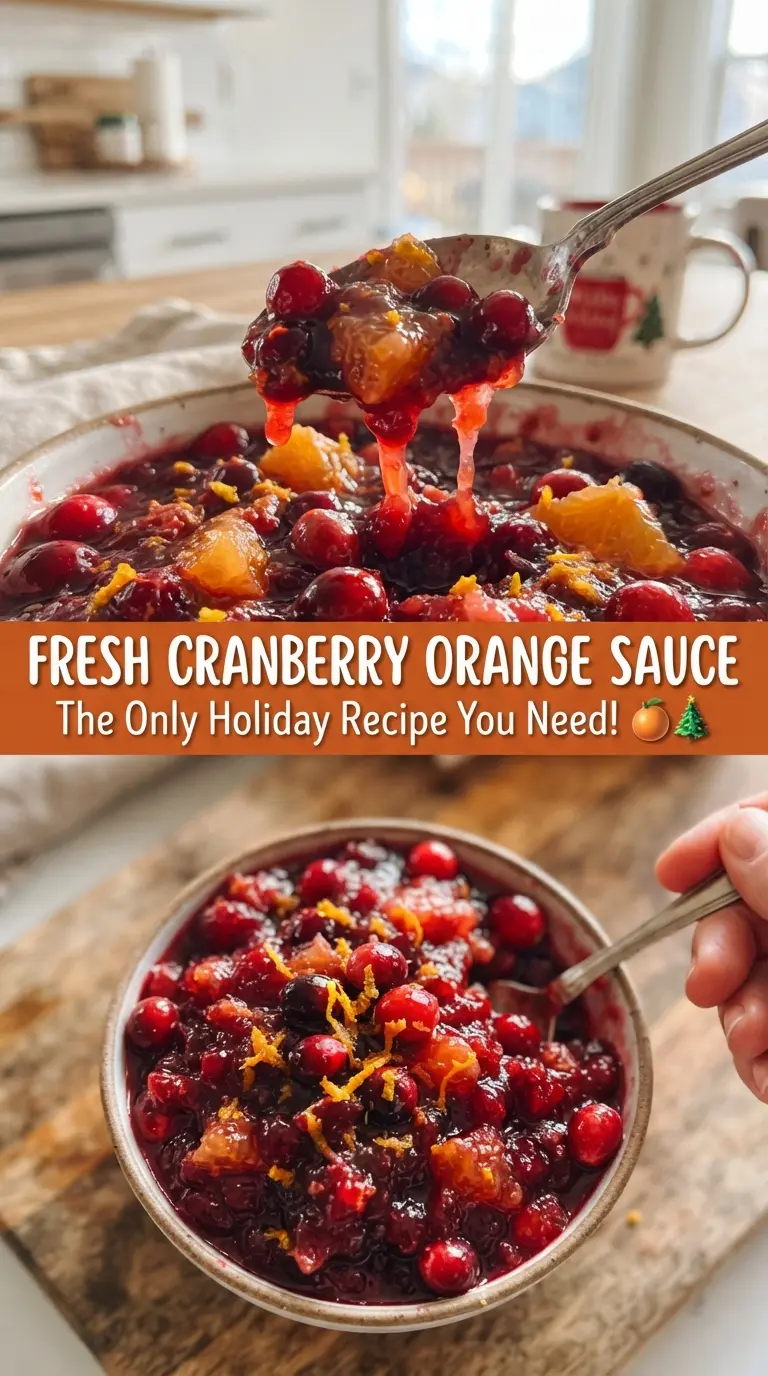
- Fresh cranberries — These are the backbone of the sauce. Frozen cranberries work too, and you don’t need to thaw them first; the only difference is that they may take a minute or two longer to burst.
- Fresh orange juice — Bottled juice works in a pinch, but fresh juice gives a cleaner, brighter finish and keeps the sauce from tasting cooked. If your oranges are very sweet, the sauce will feel rounder; if they’re tart, the sugar balances it.
- Orange zest — Zest adds the high citrus note that orange juice alone can’t provide. Use a fine grater and stop at the orange skin; the white pith underneath turns bitter fast.
- Orange segments — Fold these in after the sauce has cooled a bit so they stay juicy and distinct. If you add them while the sauce is boiling, they’ll collapse and disappear into the base.
- Sugar — It softens the cranberries’ sharp edge and helps the sauce take on that glossy finish. You can reduce it slightly if you like a tarter sauce, but don’t cut it too much or the orange won’t have anything to balance against.
Building the Sauce So It Stays Bright and Spoonable
Boiling the Juice and Sugar First
Bring the orange juice and sugar to a full boil before the cranberries go in. That dissolves the sugar completely and gives the sauce a head start on thickening, which helps the berries cook evenly instead of sitting in sweet liquid. If you add the cranberries too early, the mixture takes longer to come back to temperature and the sauce can taste flat.
Letting the Cranberries Pop
Once the cranberries hit the pan, lower the heat to a steady simmer and stir now and then. You’re looking for most of the berries to split open and release their juices, with a few still holding their shape for texture. If the sauce starts to sputter aggressively, the heat is too high; hard boiling can make the texture loose and muddy.
Finishing With Zest and Orange Segments
Take the pan off the heat before stirring in the zest. That keeps the orange aroma sharp instead of cooked down. Let the sauce cool for a few minutes, then fold in the orange segments gently so they stay intact. The sauce will look thinner while it’s hot, but it sets up as it chills.
Three Ways to Adjust It Without Losing the Point
Make It Less Sweet
Cut the sugar back by 2 to 3 tablespoons if you like a sharper cranberry sauce. The texture will still set, but the final flavor lands more tart and less jammy, so it pairs especially well with rich mains.
Use Frozen Cranberries
Frozen cranberries work just fine and don’t need any special treatment. Add them straight to the simmering liquid and give them an extra minute or two; the sauce will end up just as bright and thick, with no noticeable change in flavor.
Make It Dairy-Free and Naturally Gluten-Free
This recipe already fits both needs as written. The important part is avoiding thickeners you don’t need; the cranberries provide enough body on their own, which keeps the sauce clean-tasting and easy to serve alongside almost anything.
Storage and Reheating
- Refrigerator: Store covered for up to 1 week. It will thicken as it chills, so don’t panic if it looks loose right after cooking.
- Freezer: It freezes well for up to 2 months in a sealed container. Leave a little space at the top so the sauce can expand.
- Reheating: Warm gently over low heat or let it come to room temperature on its own. High heat can make the orange segments break apart and can thin the texture again before it settles.
Answers to the Questions Worth Asking
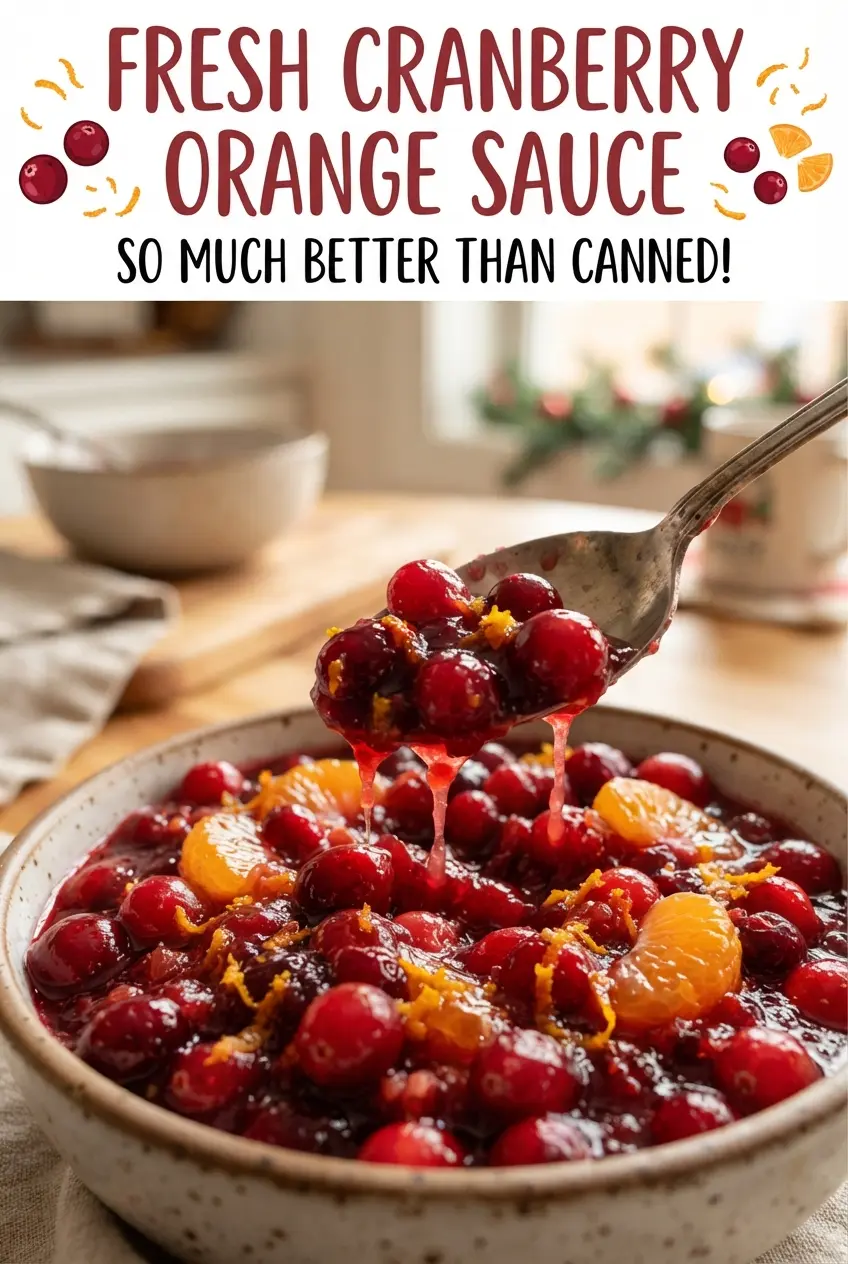
Fresh Cranberry Orange Sauce
Ingredients
Equipment
Method
- Bring the sugar and fresh orange juice to a boil in a saucepan over medium-high heat. Keep boiling until the sugar is fully dissolved, about 2 minutes, with a steady bubbling look.
- Add the fresh cranberries and salt to the boiling liquid. Simmer for 10 minutes, stirring occasionally, until most berries burst and the mixture looks thickened and glossy.
- Remove the saucepan from the heat and stir in the orange zest. Mix for about 30 seconds until the zest is evenly distributed.
- Cool the mixture slightly, about 10 minutes, so it’s no longer aggressively steaming. The sauce should look smoother and slightly thicker as it cools.
- Gently fold in the orange segments. Stop once the segments are coated and still intact, with bright orange pieces visible.
- Chill the cranberry orange sauce until serving. The surface should be set and spoonable, with juices clinging to the cranberries and orange segments.